
The Ultimate Guide to Buying and Exporting Rubber Tires from South Africa
Talk to us about this service
Trade, import, logistics, sourcing — whatever you're planning, the fastest way to a quote is a WhatsApp message. Our team replies during Lagos business hours.
WhatsApp usYour message tells us which page you came from
The Ultimate Guide to Buying and Exporting Rubber Tires from South Africa
The rubber tire manufacturing industry is one of the most vibrant and dynamic segments of the global auto supply chain. According to the market research firm Frost & Sullivan, the global rubber tire market was valued at $36 billion in 2017. With so much opportunity available within this booming industry, it’s an excellent time for manufacturers and exporters to get involved with rubber tires. This article will explain everything you need to know about buying and selling rubber tires from South Africa. It’s packed with advice on a range of topics, including types of tires, sourcing strategies, shipping logistics, contract negotiations and more. If you’re thinking about exporting or buying rubber tires from South Africa, read on for information that can help you make informed decisions about your business venture.
What types of rubber tires are available?
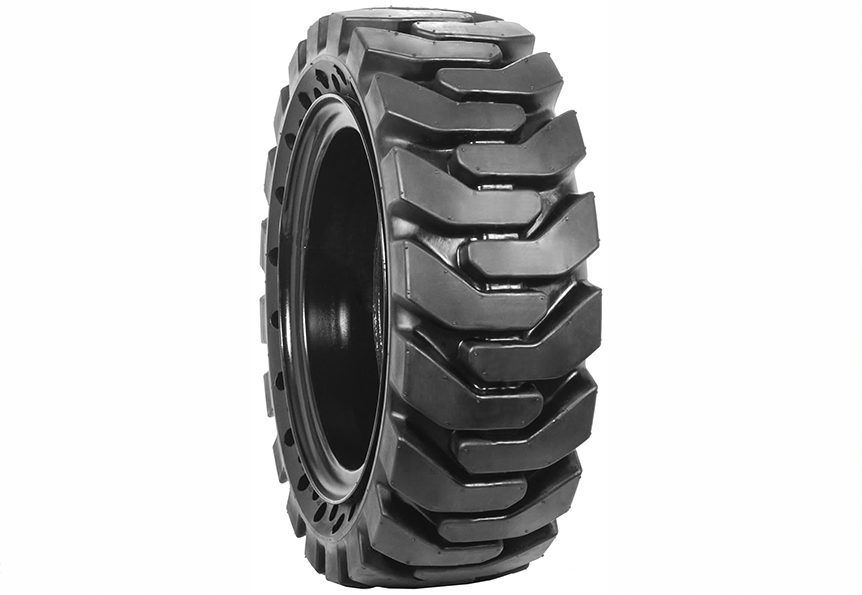
There are many types of tires available for sale on the global market. The most common types of tires include: agricultural tires, automotive tires and industrial tires. Agricultural tires are used on tractors and other types of harvesting equipment in the farming industry. Automotive tires are used on passenger vehicles. Industrial tires are used on heavy-duty vehicles and equipment, such as forklifts, cranes and bulldozers. Depending on the type of tire you’re sourcing, you can use a range of materials to make them, including natural rubber, synthetic rubber, butyl rubber and ethylene propylene diene monomer (EPDM) rubber. The type of tire you choose will depend on a range of factors, including the car model, its weight and the size of its wheel. It’s important to consider these factors when sourcing tires, as they’ll determine the type of tire you’ll need to use.
Why export rubber tires?
There are many reasons to export rubber tires from South Africa. Perhaps the biggest advantage of exporting tires is that your business will have access to a wider customer base. By sourcing tires from South Africa and shipping them to other countries, you can increase your customer base and open up new sales opportunities. As a result, you can expect to see an increase in your business’s revenues. Another reason to export tires from South Africa is that you can profit from fluctuating exchange rates. If the value of the South African rand is decreasing, you may want to increase your tire purchases in South Africa and export them to earn more money for your business. If you’re thinking about exporting tires from South Africa, you’ll also want to keep an eye on supply and demand in your local market. If the South African tire market is in high demand, it may be harder to find tires for export. Conversely, if the local tire market is suffering from oversupply, you may have an easier time sourcing tires and exporting them to other markets.
Where to find the best deals on rubber tires
As a buyer, it’s important to find the best deals on tires. The best way to do this is to use a sourcing platform, like TradeX Exchange. This sourcing platform features a tire marketplace where buyers can browse listings and find the best deals. In the tire marketplace, you can browse a wide selection of tires from South Africa. There are many different types available for sale, including tires for agricultural equipment, passenger vehicles and heavy-duty equipment. To find the best deals, you can filter your tire search based on price, brand, car model and more. You can also contact tire sellers directly to negotiate a lower price on the tires you want to buy. Once you’ve found a tire seller, you can use the tire marketplace to initiate a contract. The tire marketplace features a contract feature that allows you to start the negotiation process with tire sellers. It’s important to negotiate with tire sellers whenever possible, as this will help you to get the best deal on tires. It’s also important to establish a payment plan that works for both parties. When sourcing tires, you may also want to consider sourcing them from local tire sellers. This is especially important if you’re buying heavy-duty tires, as it can be difficult to find these tires for export.
Tips for exporting rubber tires
Before you buy or export tires from South Africa, there are a few things you’ll want to keep in mind. The first thing you’ll want to do is get to know your end user and their needs. You can do this by visiting construction sites and speaking with customers directly. This will help you to better understand the types of tires your customers need and the types of tires they’re currently using. It’s also important to know how you’re going to transport the tires you buy. Depending on the type of tire you’re buying, you may need to use specialized transportation methods, like cranes or forklifts. If you’re buying tires, it’s important to know your tire requirements and the price you’re willing to pay. If you’re exporting tires, it’s important to know your tire requirements and the price you’re willing to sell them for. It’s also important to know your end customer and their needs. This will help you to better understand the type of tires you need to use in your operation.
Final words: Is exporting rubber tires worth it?
Exporting rubber tires can be a lucrative venture, but it’s important to do your research before getting started. The first thing you’ll want to do is identify your target market. From there, you can use sourcing platforms like TradeX Exchange to find tire sellers. Once you’ve found a tire seller, you can use the tire marketplace to initiate a contract. With the help of tire sellers and the tire marketplace, you can easily find tires for export.

LEAVE A COMMENT
You must be logged in to post a comment.