
Top Products Affected by US Trade Tariffs in 2025

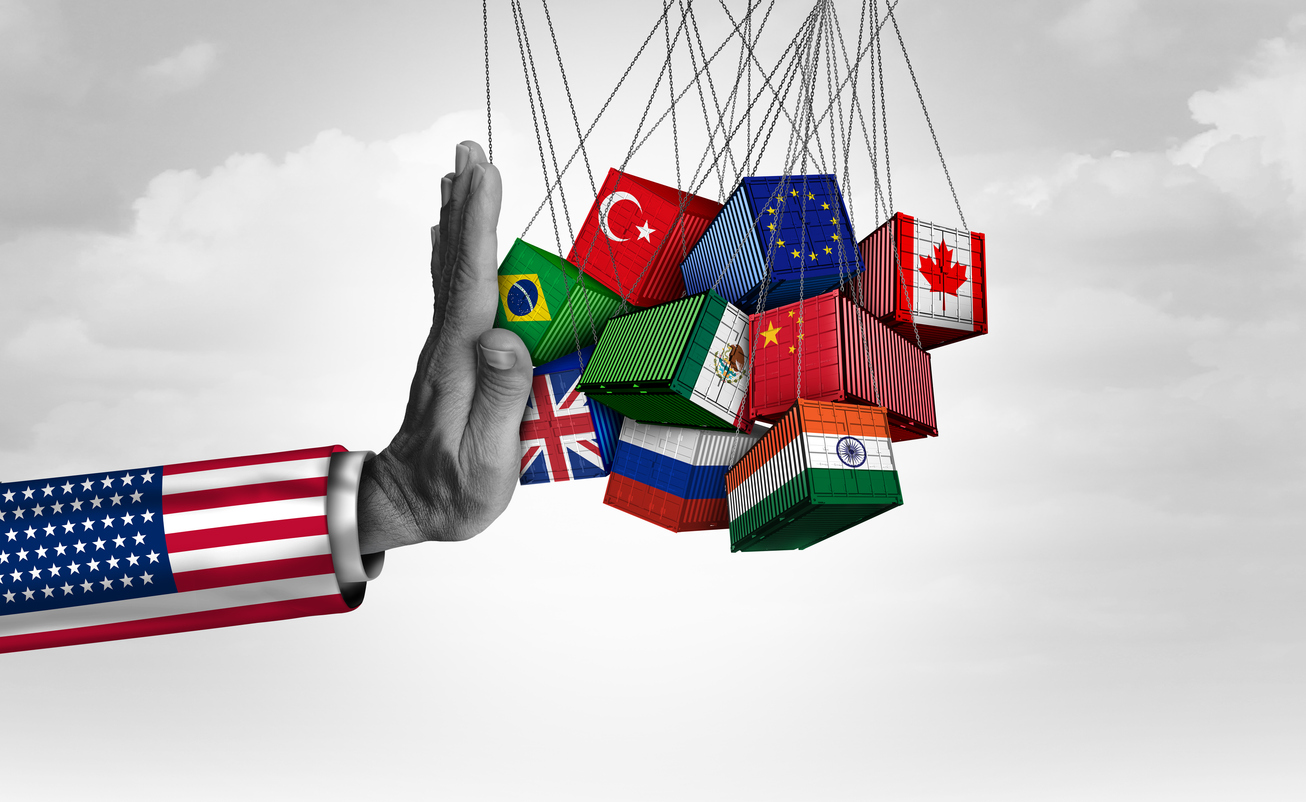
US trade tariffs in 2025 continue to shape the global supply chain landscape, influencing international trade, import costs, and product availability. These tariffs — taxes imposed on imported goods — aim to protect domestic industries but often lead to shifts in global trade dynamics. Businesses engaged in import and export, including those in Africa, must understand how these changes affect their sourcing, pricing, and logistics strategies.
At Wigmore Trading, we monitor evolving trade regulations to help our clients navigate complex import challenges and maintain cost-effective operations.
Overview of the New US Tariff Adjustments
In 2025, the United States introduced new tariff adjustments targeting products from China, the European Union, and select emerging markets. The revised tariffs mainly affect steel, aluminum, electronics, automotive parts, textiles, and agricultural products. These changes are part of broader trade policies designed to reduce dependency on specific suppliers while boosting local manufacturing.
While these policies may benefit American industries, they also raise costs for importers and businesses relying on global raw materials. Wigmore Trading helps companies mitigate these challenges through diversified sourcing options across multiple markets, including Africa, Asia, and Europe.
Products Most Affected by US Trade Tariffs in 2025
1. Steel and Aluminum Imports
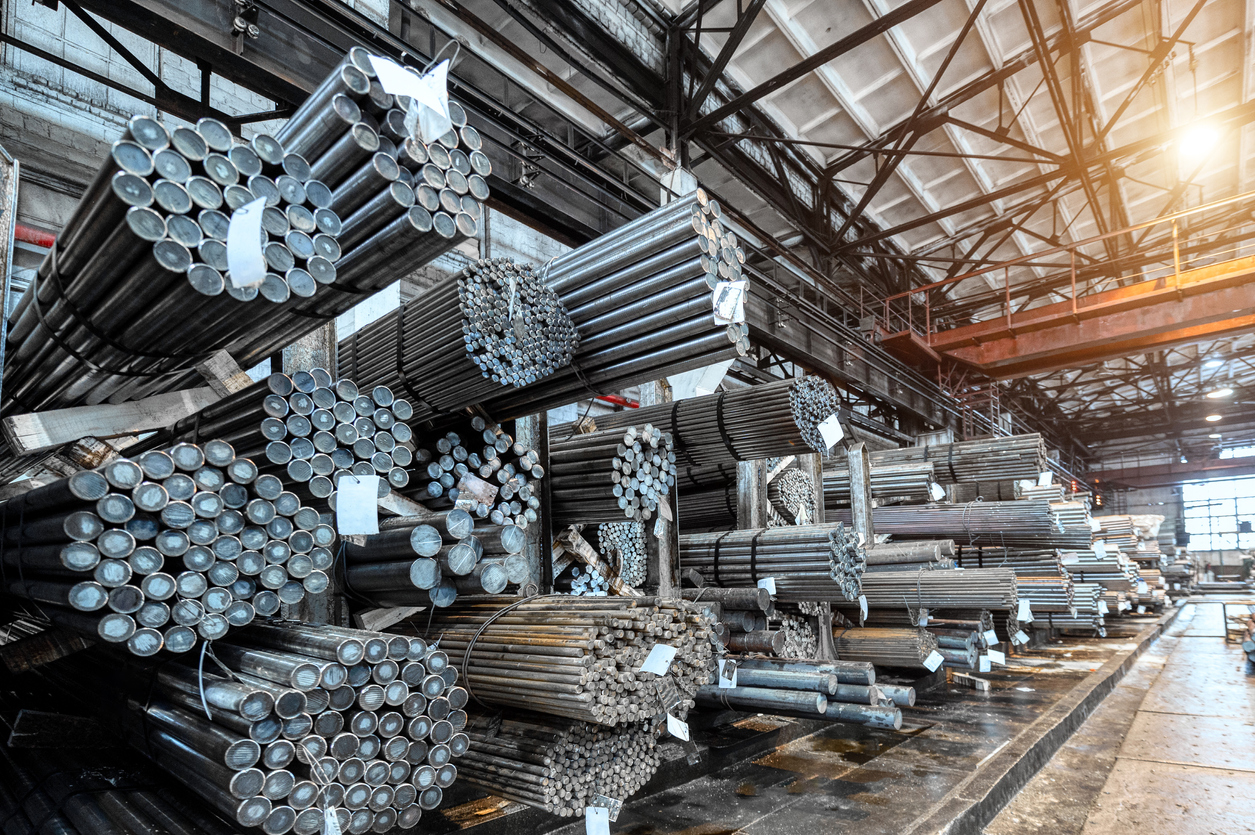
One of the largest sectors impacted by the 2025 US trade tariffs is the metal industry. Increased tariffs on steel and aluminum imports have raised production costs for manufacturers in construction, automotive, and energy sectors. Businesses relying on these materials face higher expenses and delayed supply timelines.
Wigmore Trading supports clients by offering alternative sourcing solutions from African and Asian suppliers, reducing dependence on tariff-heavy markets.
2. Consumer Electronics
Electronics remain a key category under scrutiny. Smartphones, laptops, and semiconductors from Asia now face higher duties, prompting distributors to seek alternative suppliers. For African importers and wholesalers, this change opens up opportunities to source affordable electronics through diversified supply chains, which Wigmore Trading can facilitate.
3. Automotive Components
With the US imposing tariffs on auto parts and machinery, vehicle production costs have surged. This development affects not only US manufacturers but also trading partners who export parts and accessories. Wigmore Trading assists African automotive retailers in importing spare parts and machinery from tariff-free regions, maintaining steady inventory levels.
4. Textiles and Apparel
Textile and apparel industries have also seen tariff hikes in 2025, particularly on imported fabrics and clothing items from Asia. Retailers are now turning to new sourcing destinations, including Africa, where production costs are competitive and quality standards continue to rise.
By leveraging its established supplier network, Wigmore Trading connects fashion and textile businesses with reliable manufacturers across Africa, ensuring stability in supply despite shifting global policies.
5. Agricultural and Food Products
Tariffs on agricultural products such as soybeans, dairy, and seafood have affected both US importers and exporters. These measures lead to increased retail prices and reduced trade volumes. Wigmore Trading helps agribusinesses and food distributors in Africa import bulk food items efficiently while adhering to international compliance standards.
How African Businesses Can Respond to US Trade Tariffs
The evolving tariff landscape offers both challenges and opportunities for African businesses. As global buyers seek new suppliers, Africa is emerging as a promising trade alternative. Companies can capitalize on this by:
-
Diversifying suppliers to reduce tariff risks.
-
Exploring regional trade agreements such as AfCFTA to strengthen export potential.
-
Partnering with logistics experts like Wigmore Trading for seamless cross-border movement of goods.
Wigmore Trading’s experience in wholesale distribution, import/export logistics, and product sourcing positions it as a trusted partner for businesses aiming to stay competitive despite global tariff shifts.
Conclusion
US trade tariffs in 2025 have far-reaching effects across industries — from metals to agriculture. While these measures pose challenges for global trade, they also open doors for new sourcing opportunities, particularly in emerging markets like Africa. By staying informed and collaborating with experienced trade partners such as Wigmore Trading, businesses can adapt efficiently and maintain profitability.
Wigmore Trading can help. Contact our team today to learn how we can streamline your global sourcing and distribution strategies in response to ongoing trade changes.





Comments are closed.