
Trade Facilitation Technology Solutions for Faster, Smarter Global Trade

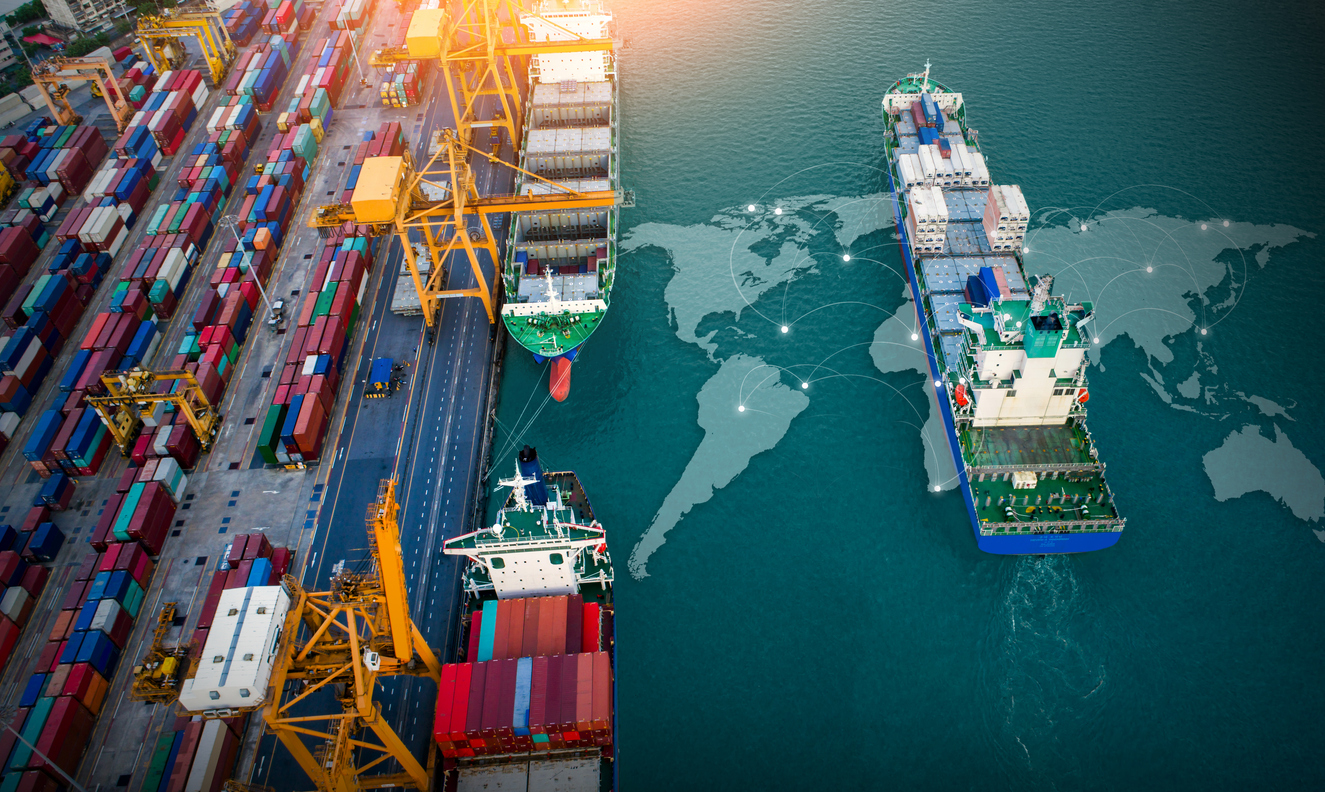
Trade facilitation technology refers to digital tools and systems that simplify, automate, and speed up cross-border trade processes. These technologies reduce paperwork, improve transparency, and enhance coordination between exporters, importers, logistics providers, and customs authorities.
For businesses involved in import/export, FMCG distribution, wholesale trade, and African market entry, trade facilitation technology is no longer optional. It is a practical way to reduce delays, cut costs, and stay competitive in increasingly complex global supply chains.
Wigmore Trading works closely with partners and clients to leverage trade facilitation technology to improve sourcing, compliance, and logistics outcomes across Africa and international markets.
Why Trade Facilitation Technology Matters for African Trade
African trade corridors often face challenges such as manual documentation, port congestion, customs delays, and fragmented logistics systems. Trade facilitation technology directly addresses these issues.
Key benefits include:
-
Faster customs clearance through digital documentation
-
Reduced human error and compliance risks
-
Improved visibility across supply chains
-
Better coordination between trade stakeholders
For companies trading into or within Africa, these improvements translate into shorter lead times and more predictable delivery schedules. Wigmore Trading helps businesses navigate these environments by combining on-the-ground expertise with technology-enabled trade processes.
Key Types of Trade Facilitation Technology
Digital Trade Documentation Systems
Electronic bills of lading, digital certificates of origin, and e-invoicing reduce reliance on paper-based processes. These systems allow faster document exchange between exporters, importers, banks, and customs authorities.
Wigmore Trading supports clients by ensuring documentation aligns with destination country requirements and digital trade platforms used across African ports.
Customs Automation and Single Window Platforms
National Single Window systems allow traders to submit all regulatory documents through one digital interface. This reduces duplication and speeds up approvals.
Trade facilitation technology in customs automation helps businesses avoid unnecessary delays and penalties. Wigmore Trading works with reliable customs partners to ensure smooth integration with these systems.
Supply Chain Visibility and Tracking Tools
Real-time shipment tracking and digital logistics platforms provide better visibility from origin to destination. These tools help businesses manage inventory, forecast demand, and respond quickly to disruptions.
For FMCG and wholesale distribution, Wigmore Trading uses technology-enabled logistics coordination to help clients maintain consistent product flow into African markets.
Trade Finance and Payment Technology
Digital trade finance platforms streamline payments, letters of credit, and risk management. This is especially valuable in cross-border trade where trust and payment security are critical.
Wigmore Trading helps clients structure trade transactions that align with modern trade finance tools while managing currency and counterparty risks.
Challenges in Adopting Trade Facilitation Technology
Despite its benefits, adopting trade facilitation technology comes with challenges:
-
Fragmented digital infrastructure across countries
-
Limited interoperability between systems
-
Skills gaps in using new platforms
-
Regulatory differences between markets
These challenges can slow adoption if not managed correctly. This is where experienced trade partners add value.
Wigmore Trading acts as a bridge between technology, regulatory requirements, and real-world trade execution, helping businesses avoid common pitfalls.
How Wigmore Trading Supports Technology-Enabled Trade
Wigmore Trading does not just move goods. The company supports end-to-end trade execution using technology-driven processes.
Key areas of support include:
-
Advising on digital documentation and compliance requirements
-
Coordinating with customs brokers using automated systems
-
Managing technology-enabled logistics and warehousing
-
Supporting data-driven sourcing and supplier verification
By combining trade facilitation technology with local market expertise, Wigmore Trading helps clients trade more efficiently and with lower risk.
Trade Facilitation Technology and Supply Chain Resilience
Modern trade disruptions have shown the importance of resilient supply chains. Trade facilitation technology improves resilience by:
-
Providing real-time data for faster decision-making
-
Reducing dependency on manual processes
-
Improving communication across borders
For companies expanding into Africa or scaling international trade operations, Wigmore Trading can help design supply chains that are both efficient and adaptable.
Choosing the Right Trade Partner in a Digital Trade Environment
Technology alone is not enough. Successful trade facilitation requires partners who understand how to apply technology in real trading environments.
Wigmore Trading combines practical trade experience with technology-enabled processes to support importers, exporters, and distributors across multiple sectors.
If you are looking to streamline sourcing, improve customs clearance, or optimize logistics using trade facilitation technology, Wigmore Trading can help.
Contact our team to learn more about how we support smarter global trade.





Comments are closed.