
Finding a Trusted Food Supplier in Nigeria: A Practical Guide for Businesses

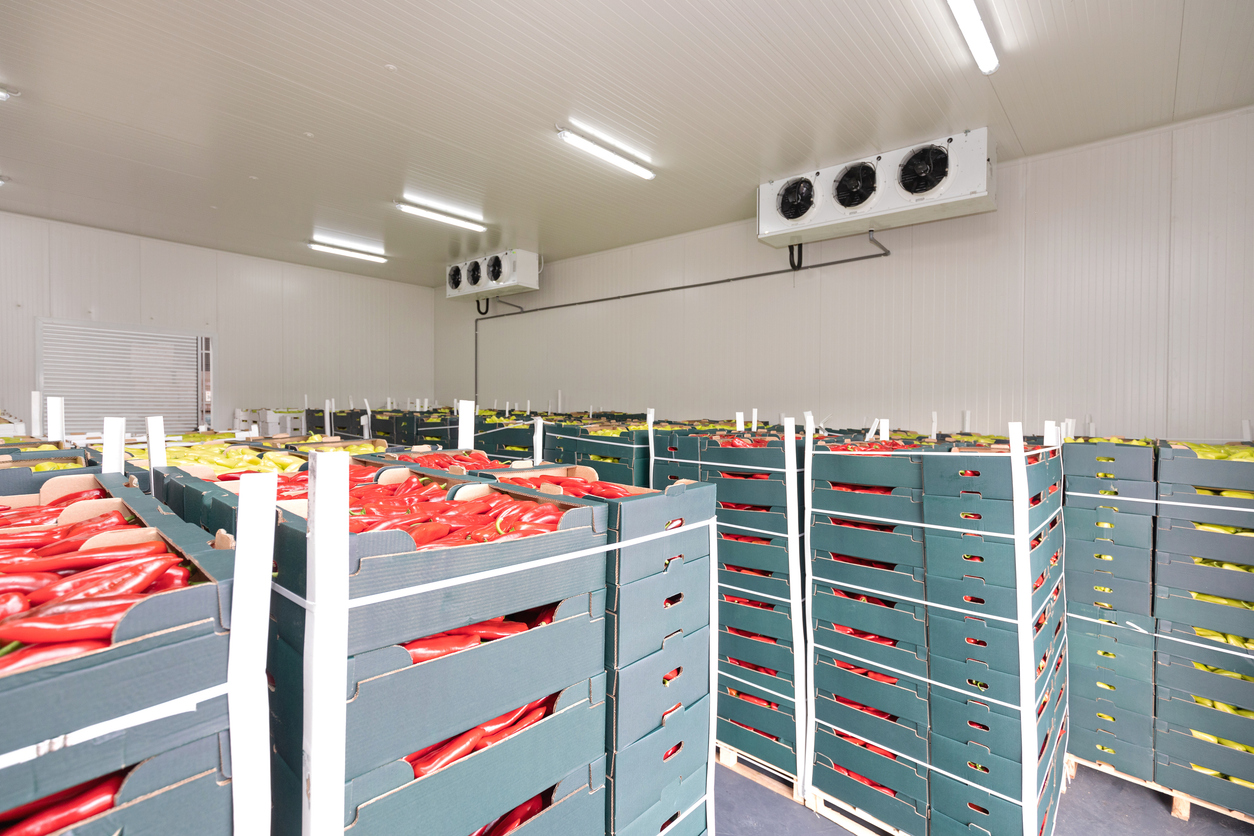
Sourcing food products in Nigeria presents significant opportunities for retailers, wholesalers, and distributors, but it also comes with challenges around quality, consistency, and logistics. Whether you operate in FMCG distribution, hospitality, or retail, working with a trusted food supplier in Nigeria is essential for maintaining standards, reducing risk, and ensuring long-term business success.
This guide explores how to identify reliable suppliers, common challenges in the Nigerian food supply chain, and how experienced partners like Wigmore Trading can support your operations.
Why Choosing a Trusted Food Supplier in Nigeria Matters
Nigeria’s food market is large and dynamic, driven by population growth and increasing urban demand. However, inconsistent supply chains and quality control issues can affect businesses that rely on food imports or local sourcing.
A trusted food supplier in Nigeria ensures:
- Consistent product quality and compliance with standards
- Reliable delivery timelines
- Transparent sourcing and documentation
- Reduced risk of counterfeit or substandard goods
For businesses in retail, manufacturing, or food service, supplier reliability directly impacts profitability and customer trust.
Key Qualities of a Reliable Food Supplier
When evaluating suppliers, businesses should focus on several critical factors:
1. Product Quality and Certification
Suppliers should meet national and international standards, including NAFDAC approvals where applicable. Proper documentation is essential for compliance and resale.
2. Supply Consistency
Frequent stock shortages or delays can disrupt operations. A dependable supplier maintains strong sourcing networks and inventory management systems.
3. Transparent Pricing
Clear pricing structures help businesses plan margins and avoid unexpected costs, especially when dealing with imports.
4. Logistics Capability
A supplier’s ability to handle warehousing, transportation, and customs clearance is crucial in Nigeria’s complex logistics environment.
5. Industry Experience
Experienced suppliers understand market trends, regulatory requirements, and operational risks, making them more reliable partners.
Common Challenges in Nigeria’s Food Supply Chain
Even with growing infrastructure, businesses often face:
Inconsistent Quality Standards
Some suppliers may not adhere to strict quality controls, leading to variability in product condition.
Import and Customs Delays
Food imports can be delayed due to documentation issues or port congestion, affecting supply timelines.
Storage and Distribution Issues
Improper storage conditions can compromise product integrity, especially for perishable goods.
Price Volatility
Fluctuations in exchange rates and supply availability can impact food pricing.
How Wigmore Trading Supports Reliable Food Supply
To address these challenges, many businesses partner with established supply chain companies like Wigmore Trading.
Wigmore Trading provides structured solutions across sourcing, logistics, and distribution, helping businesses work with a trusted food supplier in Nigeria without the typical risks.
End-to-End Sourcing
Wigmore Trading connects businesses with vetted local and international food producers, ensuring quality and compliance.
Import and Customs Handling
With expertise in import documentation and clearance, Wigmore reduces delays and ensures smooth entry of goods into Nigeria.
Warehousing and Distribution
Proper storage facilities and efficient distribution networks help maintain product quality and timely delivery.
Market Expertise
Wigmore Trading understands Nigeria’s FMCG and wholesale landscape, offering insights that help businesses make informed sourcing decisions.
Choosing the Right Food Supplier for Your Business
When selecting a supplier, businesses should:
- Conduct due diligence on supplier credentials
- Request product samples and certifications
- Evaluate logistics and delivery capabilities
- Assess communication and responsiveness
- Consider long-term partnership potential
Working with an experienced intermediary like Wigmore Trading can simplify this process by providing access to pre-vetted suppliers and integrated supply chain services.
The Role of Technology and Data in Food Supply
Modern supply chains increasingly rely on data and tracking systems to improve efficiency. Businesses should prioritise suppliers that offer:
- Inventory tracking and reporting
- Demand forecasting support
- Transparent shipment updates
These tools help reduce uncertainty and improve planning, particularly in fast-moving consumer goods (FMCG) sectors.
Conclusion
Finding a trusted food supplier in Nigeria is essential for businesses that depend on consistent, high-quality food products. By focusing on quality standards, logistics capability, and supplier reliability, companies can minimise risks and improve operational efficiency.
Partnering with experienced supply chain providers such as Wigmore Trading offers an added layer of security, helping businesses navigate sourcing, compliance, and distribution challenges with confidence.
Wigmore Trading can help. Contact Wigmore Trading today to streamline your sourcing.


Comments are closed.