
Trusted Light Gauge Steel Fabrication in Nigeria for Bulk Orders

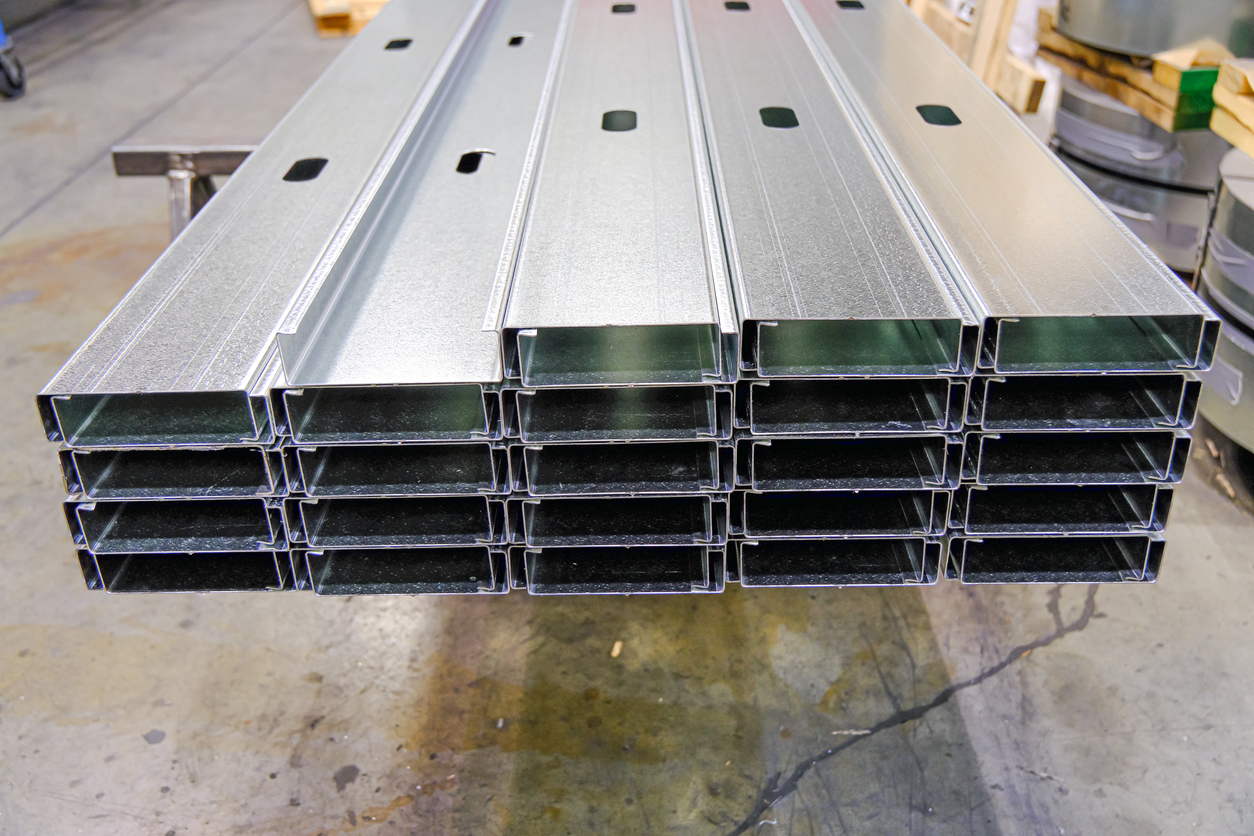
Light gauge steel fabrication in Nigeria is becoming an increasingly important solution in the construction and industrial sectors. As demand rises for faster, cost-efficient, and durable building methods, light gauge steel (LGS) offers a modern alternative to traditional materials like concrete and timber. For developers, contractors, and distributors, understanding how this system works—and how to source and manage it effectively—is essential for successful project delivery.
What is Light Gauge Steel Fabrication?
Light gauge steel fabrication refers to the process of manufacturing thin steel sections that are cold-formed into structural components. These components are typically used for framing in residential, commercial, and industrial buildings.
Unlike heavy structural steel, LGS is lightweight, precision-engineered, and often prefabricated. This allows for faster assembly on-site and reduced labor costs.
Why Light Gauge Steel is Growing in Nigeria
1. Faster Construction Timelines
Nigeria’s growing urban population has increased demand for rapid housing and infrastructure development. Light gauge steel systems are prefabricated off-site, enabling quicker installation compared to conventional building methods.
2. Cost Efficiency in the Long Term
While initial costs may vary, LGS reduces expenses related to labor, waste, and project delays. It also lowers maintenance costs due to its durability and resistance to environmental factors.
3. Durability and Climate Resistance
Nigeria’s climate can be harsh on traditional building materials. Light gauge steel is resistant to termites, rot, and fire, making it suitable for long-term structural integrity.
4. Sustainability
Steel is recyclable and produces less construction waste. As sustainability becomes more important in African construction, LGS offers a practical solution aligned with global standards.
Key Applications of Light Gauge Steel in Nigeria
-
Residential housing (low- to mid-rise buildings)
-
Warehousing and industrial facilities
-
Schools and healthcare buildings
-
Temporary or modular structures
These applications are particularly relevant for developers seeking scalable and repeatable building solutions.
Challenges in Light Gauge Steel Fabrication in Nigeria
Limited Local Manufacturing Capacity
Although demand is growing, local production of light gauge steel components is still developing. Many projects rely on imported materials or machinery.
Supply Chain and Logistics Constraints
Transporting fabricated components across Nigeria can be complex due to infrastructure limitations. Delays in customs clearance and inland logistics can also affect timelines.
Skilled Workforce Shortage
LGS construction requires trained professionals for design, fabrication, and installation. A lack of technical expertise can lead to inefficiencies or structural issues.
Practical Solutions for Businesses
To overcome these challenges, companies must adopt a structured supply chain approach:
-
Reliable sourcing: Partnering with trusted suppliers ensures consistent material quality
-
Efficient logistics planning: Coordinating importation, warehousing, and distribution reduces delays
-
Compliance management: Ensuring adherence to Nigerian building standards and import regulations
-
Technical support: Working with experienced partners to bridge knowledge gaps
This is where experienced trade and logistics partners play a critical role.
How Wigmore Trading Supports Light Gauge Steel Projects
Wigmore Trading helps businesses navigate the complexities of sourcing and distributing construction materials, including light gauge steel components.
With expertise in import/export, logistics, and wholesale distribution, Wigmore Trading can:
-
Source high-quality light gauge steel materials from global suppliers
-
Manage shipping, customs clearance, and inland transportation
-
Ensure compliance with Nigerian regulations
-
Support bulk procurement for large-scale construction projects
By streamlining procurement and logistics, businesses can focus on execution and project delivery rather than operational bottlenecks.
Future Outlook for Light Gauge Steel in Nigeria
The adoption of light gauge steel fabrication in Nigeria is expected to grow as urbanisation continues and construction technologies evolve. Government housing initiatives, private real estate developments, and industrial expansion will further drive demand.
Companies that invest in efficient supply chains and reliable sourcing strategies will be better positioned to benefit from this trend.
Conclusion
Light gauge steel fabrication in Nigeria presents a practical, scalable, and durable solution for modern construction needs. While challenges exist in sourcing, logistics, and expertise, these can be effectively managed with the right partnerships and planning.
Wigmore Trading can help. Contact Wigmore Trading today to streamline your sourcing.





Comments are closed.