
Understanding Colombia’s Diesel Market in a Disruption

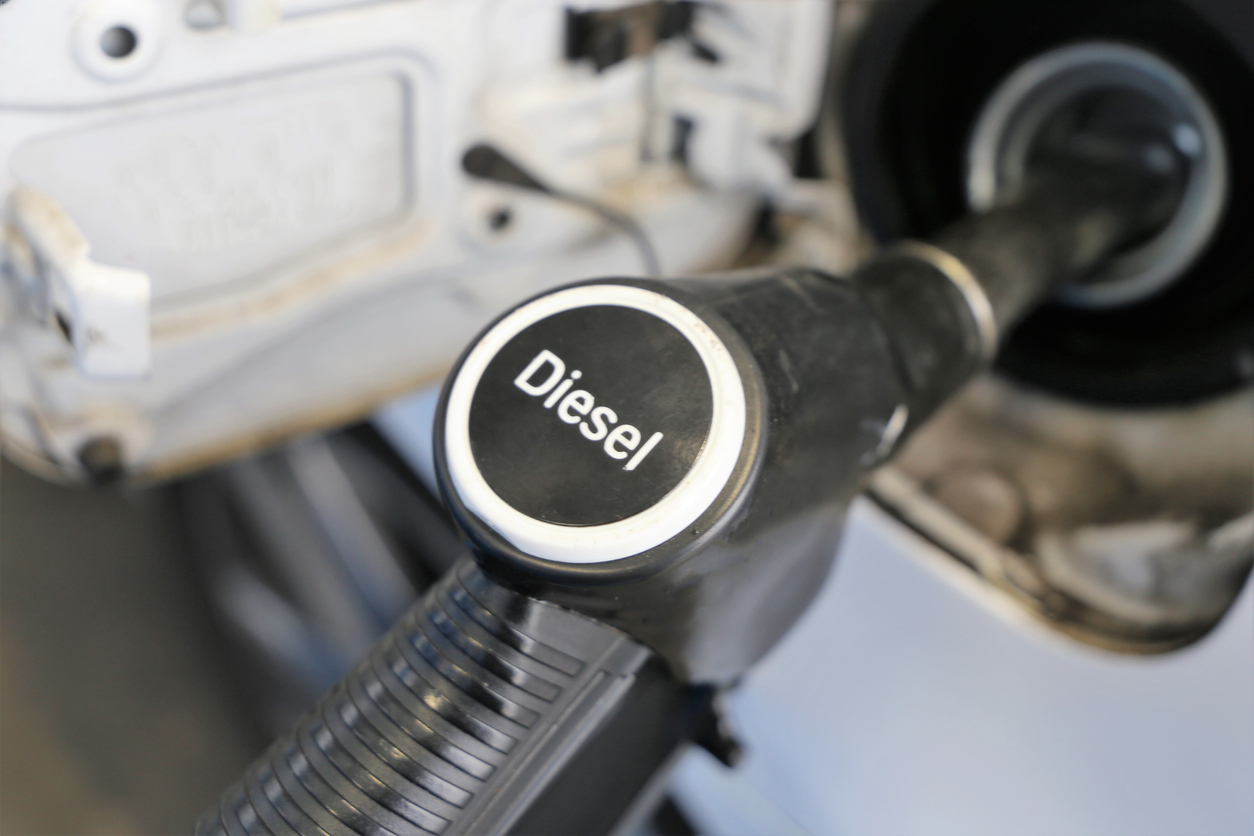
Diesel is a strategic fuel in Colombia because it underpins trucking, public transport, agriculture, mining, and backup power generation. Locally, diesel is commonly referred to as ACPM. When supply tightens—due to refinery outages, port delays, regional logistics issues, or sudden demand spikes—importers and large fuel buyers often need faster, “emergency” procurement routes that still meet Colombian compliance and quality requirements.
This guide explains practical Colombia emergency diesel import channels, how they work, and what businesses should plan for to move quickly without creating customs, quality, or financial risks.
Colombia Emergency Diesel Import Channels: The Practical Options
Emergency imports typically rely on one (or a mix) of these channels:
1) Licensed commercial import via established fuel marketers
The fastest route for many buyers is to work through an existing licensed importer or major fuel marketer that already has the operational setup (contracts, terminals, testing routines, and documentation workflows). In emergency situations, this reduces onboarding time and avoids delays caused by setting up new import permissions and logistics relationships.
Best for: utilities, large fleets, industrial sites, and distributors needing predictable delivery schedules.
2) Spot cargo procurement (marine) into major ports + terminaling
For coastal supply, companies may secure spot cargoes (often in parcels suitable for regional coastal shipping) and discharge into a terminal for storage and onward distribution.
Key execution points:
-
Confirm terminal availability and allowable product specs in advance (avoids demurrage).
-
Pre-arrange sampling/testing at load and discharge to prevent quality disputes.
-
Lock in inland transport capacity early (diesel shortages often coincide with truck scarcity).
3) Regional cross-border supply and short-haul logistics
When time is critical, regional sourcing can reduce lead times compared with long-haul shipments. This channel still requires careful compliance checks and clear custody transfer terms (Incoterms, responsibility for product quality, and documentation).
Best for: buyers close to border regions or those prioritizing speed over freight economies of scale.
4) Free Trade Zones (Zonas Francas) and bonded storage strategies
Using Zonas Francas or bonded storage can help manage timing and cash flow by allowing controlled release into the national market once paperwork and tax treatments are confirmed. This can be valuable during disruptions when:
-
Buyers need to stage inventory near demand centers.
-
Documentation is delayed but physical supply must be positioned quickly.
5) Government-linked or priority allocation pathways (where applicable)
In exceptional circumstances, supply may be influenced by policy measures or fiscal constraints that affect pricing, subsidies, or allocations. Colombia’s fuel pricing and fiscal environment can be politically sensitive, particularly around subsidy mechanisms.
For importers, the practical takeaway is to monitor regulatory signals closely and keep contingency plans ready (alternative terminals, alternate suppliers, and flexible delivery schedules).
Compliance Basics That Still Apply in “Emergency” Imports
Speed matters—but fuel imports remain compliance-heavy. Two areas frequently cause delays:
DIAN customs and import documentation
Colombian imports require filing and processing through DIAN, including import declarations and supporting documentation. In emergencies, documentation errors often happen when teams move too fast or when counterparties provide inconsistent paperwork.
Risk controls that save time:
-
Verify tariff classification and product description consistency across all documents.
-
Ensure origin, bill of lading, and commercial invoice data align exactly.
-
Use experienced customs brokers who handle fuels and controlled goods routinely.
Quality and product specifications for diesel (ACPM)
Colombia sets quality parameters and requirements for diesel and blends through national regulations led by the relevant ministries.
In practice, importers should treat quality compliance as a two-step gate:
-
Contract specs: lock acceptable ranges (including sulfur and blend considerations where relevant) and dispute mechanisms.
-
Operational verification: sampling, lab testing, chain-of-custody documentation, and sealed transfer procedures.
Common Bottlenecks During Emergency Diesel Moves (and How to Avoid Them)
Terminal and storage constraints
Even when diesel is available, tank space may not be. Secure terminal slots early and confirm:
-
Maximum discharge rates and berth windows
-
Allowed product specifications
-
Blending rules and additive requirements
Working capital and price volatility
Emergency imports can involve rapid price changes, short validity quotes, and higher logistics costs. Buyers should plan for:
-
Faster payment terms
-
Credit support (LC/SBLC where appropriate)
-
Clear demurrage responsibilities
Inland distribution and last-mile delivery
Diesel is only useful when it reaches end users. Build a delivery plan that includes:
-
Alternate routes and backup carriers
-
Security and loss-control measures
-
Delivery scheduling aligned to customer consumption (avoids stockouts and overstocks)
How Wigmore Trading Supports Emergency Diesel Import Execution
In disruptions, the “best” channel is the one that clears compliance, lands product quickly, and stays commercially controlled. Wigmore Trading can support by coordinating:
-
Sourcing and supplier verification (spot cargoes or contracted supply, with documentation discipline)
-
Logistics planning (ocean freight coordination, terminaling options, inland transport sequencing)
-
Customs and compliance readiness (document alignment for DIAN processes and risk checks)
-
Supply chain continuity (buffer inventory strategies, bonded/FTZ staging where it fits the plan)
-
Distribution support for buyers that need structured release to multiple sites or customers
This approach helps reduce emergency-mode risks like documentation gaps, quality disputes, and costly port/terminal delays.
Conclusion
Colombia emergency diesel import channels typically involve a mix of established importer partnerships, spot cargo procurement, regional sourcing, and smart use of terminaling or bonded strategies. The fastest outcomes come from planning around two realities: DIAN documentation discipline and diesel (ACPM) quality compliance—because fuel that can’t clear paperwork or meet specs won’t solve the shortage.
Wigmore Trading can help. Contact Wigmore Trading today to streamline your sourcing.



Comments are closed.