
Unlock Public-Private Partnership Funding Tools for Your Next Project

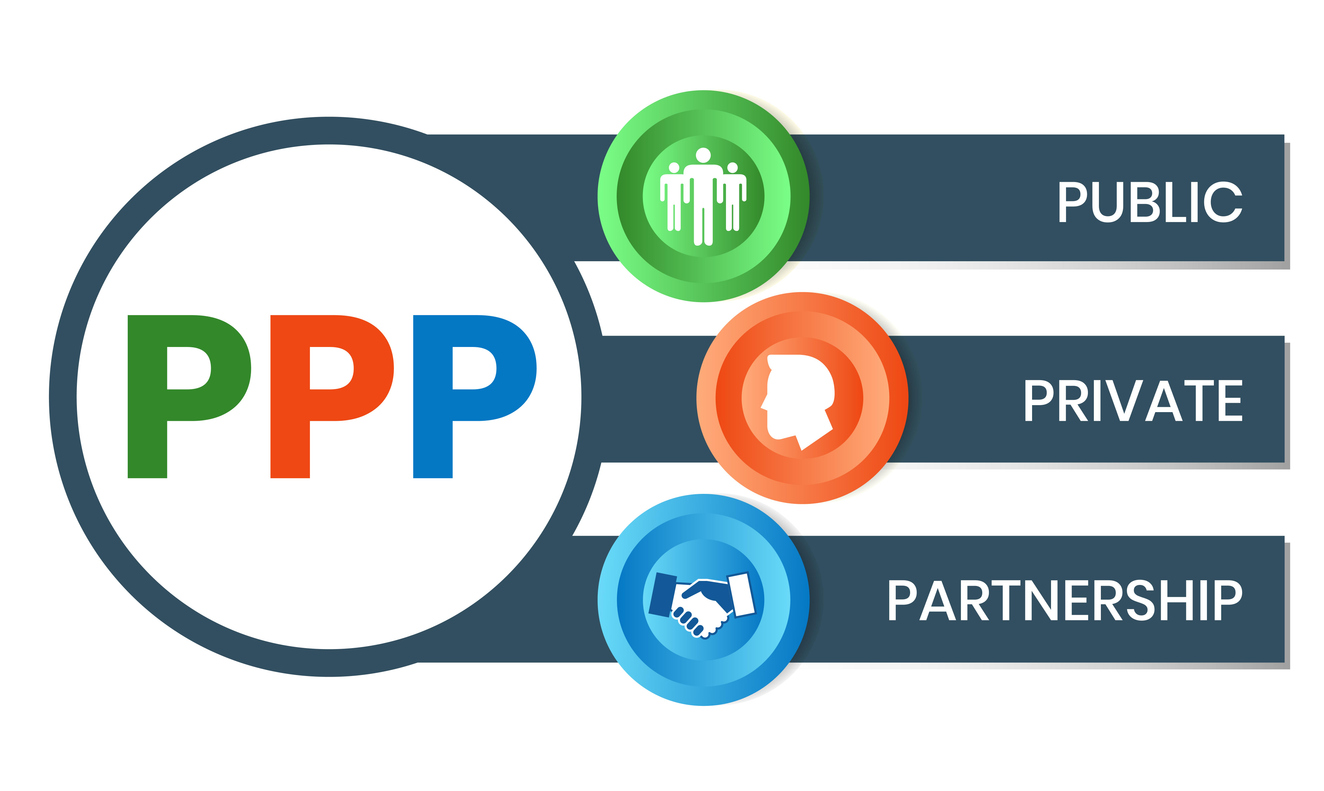
Public-private partnerships (PPPs) are now a core way to finance infrastructure, logistics hubs, ports, power projects and trade-enabling facilities across Africa and other emerging markets. For companies looking to participate in or supply into these projects, understanding public-private partnership funding tools is critical to winning contracts, managing risk and securing long-term revenue.
Wigmore Trading works with importers, exporters and distributors who increasingly operate around PPP-led infrastructure – from ports and free zones to road networks and logistics parks. Knowing how these projects are funded can help you position your business, your supply chain and your bids more effectively.
What are public-private partnership funding tools?
Public-private partnership funding tools are the financial instruments and structures used to mobilise capital for PPP projects. They combine public resources (government budgets, development finance, guarantees) with private capital (banks, equity funds, corporate balance sheets) to deliver large, capital-intensive assets such as:
-
Ports and inland container depots
-
Toll roads and bridges
-
Power plants and transmission lines
-
Warehouses and logistics parks
-
Industrial zones and agro-processing facilities
For businesses supplying goods or services into these projects, the type of PPP funding tool used will influence payment security, contract tenure and risk allocation. Wigmore Trading can help you assess these dynamics when planning your sourcing and distribution strategies.
Core PPP funding structures used by investors and governments
1. Project finance and limited recourse lending
A common public-private partnership funding tool is project finance. Here, lenders rely on the cash flows of the project itself (tolls, fees, lease payments, power tariffs) rather than the general balance sheet of the sponsor.
Key features:
-
Special Purpose Vehicle (SPV) holds the project contracts.
-
Long-term debt from commercial banks and development finance institutions.
-
Equity from private sponsors and sometimes government.
For suppliers and off-takers, this structure often means long-term contracts with clear payment mechanisms. Wigmore Trading can support companies to design supply and distribution contracts that fit within project finance requirements, especially for FMCG, food products and industrial inputs.
2. Government support: guarantees, subsidies and viability gap funding
Many PPPs in Africa and emerging markets are not fully commercially viable without some form of public support. Governments and development partners use several PPP funding tools to close this gap:
-
Sovereign or sub-sovereign guarantees – backing certain payment obligations (e.g., minimum revenue guarantee on a toll road).
-
Viability Gap Funding (VGF) – upfront capital grants that reduce total project cost and make tariffs affordable.
-
Availability payments – fixed periodic payments from government in return for making the asset available, reducing demand risk.
When these tools are in place, suppliers often benefit from more predictable cash flows and lower default risk. Wigmore Trading can help your business align its inventory planning, warehousing and import schedules with PPP projects that enjoy strong government backing.
3. Blended finance and development partner support
Blended finance combines concessional funds (from donors or development agencies) with commercial capital to de-risk investments. In PPPs, this may include:
-
Subordinated debt or junior tranches that absorb first losses.
-
Interest rate buy-downs.
-
Technical assistance grants for project preparation.
These public-private partnership funding tools reduce risk for commercial lenders and can unlock larger, longer-term finance for strategic infrastructure such as ports, cold chain logistics or agro-processing zones – all of which are highly relevant to Wigmore Trading’s trading and distribution activities.
4. Multilateral banks, export credit agencies and guarantees
Multilateral development banks (MDBs) and export credit agencies (ECAs) play a major role in PPP funding:
-
MDB loans and guarantees – provide long-tenor debt and political risk cover for private investors.
-
Export credit agency cover – supports the supply of equipment, machinery and technology from specific countries with attractive terms.
For importers and distributors, this can mean access to equipment and capital goods under favourable financing conditions. Wigmore Trading can help you source products aligned with ECA-backed PPP projects, particularly in sectors like power, construction materials, vehicles and machinery.
PPP funding tools for smaller businesses and suppliers
PPP projects are often large and complex, but there are still ways for SMEs and regional traders to plug into these funding ecosystems:
Supplier and off-taker contracts
Longer-term offtake or supply contracts with an SPV can help smaller firms secure bank finance or trade credit. With clear PPP-backed revenues, banks are more comfortable extending working capital to suppliers.
Wigmore Trading can help you build stable supply chains for PPP-linked projects, including sourcing from global suppliers, consolidating shipments and managing last-mile delivery within African markets.
Trade finance and supply chain finance
As PPP projects ramp up, contractors and operators need regular supplies of fuel, food, packaging, materials and spare parts. Public-private partnership funding tools can indirectly support:
-
Trade finance lines for importers supplying the project.
-
Supply chain finance programmes where large sponsors allow their suppliers to benefit from better payment terms.
By working with a trading partner like Wigmore Trading, businesses can better align their trade finance needs with PPP timelines, shipment schedules and customs processes.
How Wigmore Trading helps you leverage PPP funding environments
PPPs are not just about construction; they create long-term demand for goods, services and logistics. Wigmore Trading can help you:
-
Identify PPP-driven demand in key African markets (e.g., new ports, industrial zones, roads).
-
Source, consolidate and ship products required by project operators and anchor tenants.
-
Design flexible supply arrangements that match the project’s funding and payment structures.
-
Optimise warehousing and distribution around new logistics corridors and trade hubs.
Whether you are supplying FMCG to workers’ communities, construction materials to contractors, or specialised equipment to operators, Wigmore Trading can help you navigate customs, documentation and cross-border logistics efficiently.
Taking your next step with PPP-related opportunities
Understanding public-private partnership funding tools helps you see where future demand will come from and how secure those revenue streams are. That knowledge improves your bidding strategy, pricing, risk assessment and financing negotiations.
If your business wants to supply into PPP-led projects or position its distribution network around emerging infrastructure corridors, Wigmore Trading can help.
Get in touch with our team to learn more about sourcing, shipping and distribution solutions tailored to PPP environments across Africa and beyond.






Comments are closed.