
Unlocking AfCFTA Manufacturing Opportunities in Nigeria for Business Growth


Introduction
The African Continental Free Trade Area (AfCFTA) is reshaping trade across the continent, creating new pathways for industrial expansion and regional integration. For businesses, AfCFTA manufacturing opportunities in Nigeria present a strategic entry point into one of Africa’s largest markets and a gateway to wider continental trade.
Nigeria’s manufacturing sector is positioned to benefit significantly from reduced tariffs, improved market access, and increased demand for locally produced goods. However, capitalising on these opportunities requires careful planning, efficient logistics, and strong supply chain partnerships.
Understanding AfCFTA Manufacturing Opportunities in Nigeria
AfCFTA aims to eliminate trade barriers and facilitate the movement of goods across African borders. For manufacturers operating in Nigeria, this translates into:
- Access to a market of over 1.3 billion people
- Reduced import duties on raw materials and intermediate goods
- Increased export potential within Africa
- Greater incentives for local production and value addition
Sectors such as FMCG, agro-processing, textiles, and light manufacturing are particularly well-positioned to scale under this framework.
Key Sectors Driving Growth
Nigeria’s manufacturing landscape offers several high-potential areas aligned with AfCFTA objectives.
FMCG and Consumer Goods
With a rapidly growing population, demand for packaged foods, beverages, and household products continues to rise. Local manufacturing reduces dependency on imports while enabling regional exports.
Agro-Processing
Nigeria’s agricultural base provides raw materials for food processing, creating opportunities to export value-added products across Africa under AfCFTA.
Textiles and Apparel
The removal of tariffs supports intra-African trade in textiles, encouraging local production and reducing reliance on imports from outside the continent.
Light Industrial Manufacturing
Products such as plastics, packaging materials, and basic industrial goods are in demand across multiple African markets, making Nigeria a viable production hub.
Challenges in Leveraging AfCFTA Manufacturing Opportunities in Nigeria
Despite the potential, businesses face several operational and structural challenges:
- Infrastructure gaps: Transport and port inefficiencies can increase costs
- Regulatory complexity: Compliance with both local and cross-border regulations requires expertise
- Supply chain disruptions: Inconsistent access to raw materials can affect production timelines
- Logistics coordination: Managing cross-border distribution requires reliable partners
Addressing these challenges is critical for businesses aiming to scale efficiently within the AfCFTA framework.
Practical Strategies for Businesses
To successfully tap into AfCFTA manufacturing opportunities in Nigeria, companies should focus on the following:
Strengthen Local Sourcing
Building relationships with reliable local suppliers ensures consistent access to raw materials and reduces dependency on imports.
Invest in Scalable Production
Flexible manufacturing systems allow businesses to respond quickly to demand fluctuations across different African markets.
Ensure Regulatory Compliance
Understanding trade agreements, tariffs, and documentation requirements is essential for seamless cross-border operations.
Optimise Distribution Networks
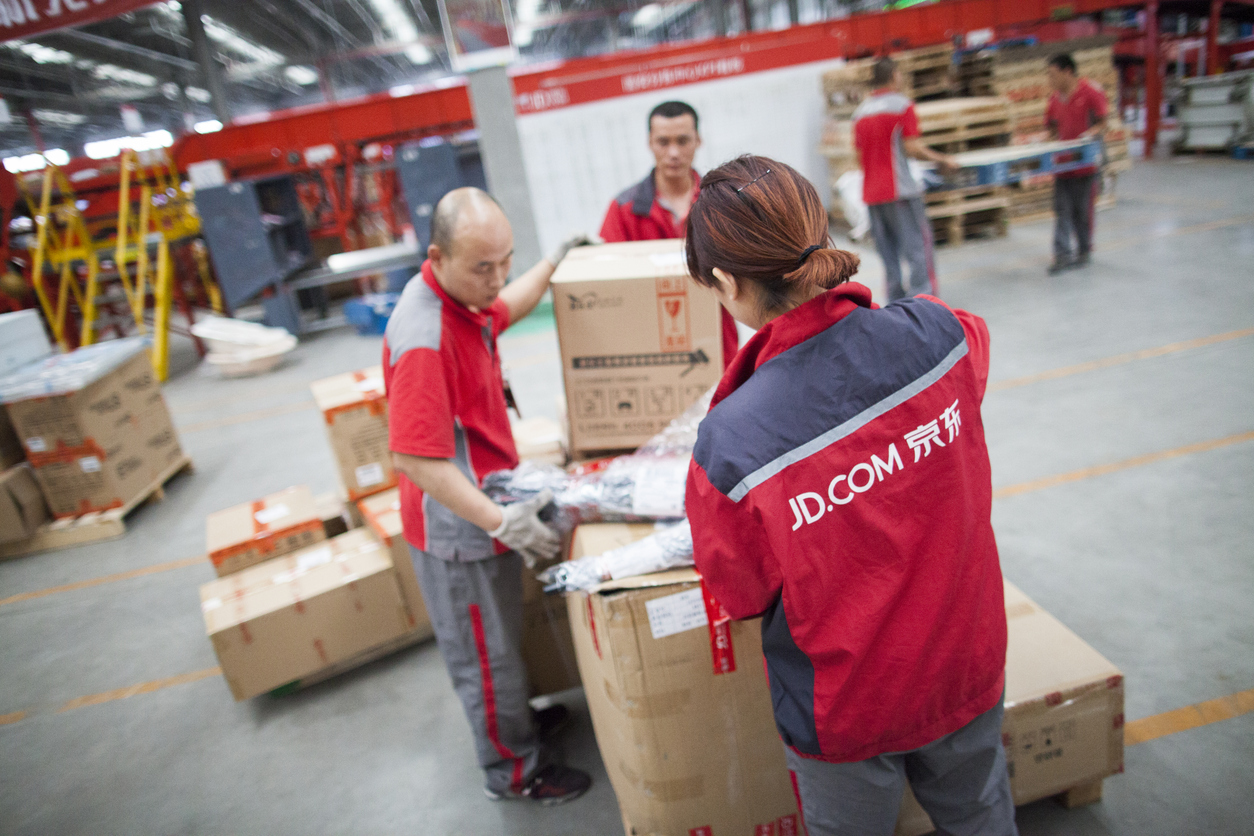
Efficient warehousing, transportation, and last-mile delivery systems are key to maintaining product quality and meeting delivery timelines.
How Wigmore Trading Supports Manufacturing and Trade
Navigating AfCFTA opportunities requires more than production capacity—it demands an integrated supply chain approach. Wigmore Trading supports businesses by providing:
- Sourcing solutions: Access to quality raw materials and products
- Import and export coordination: Streamlined handling of cross-border trade
- Logistics management: Reliable shipping, warehousing, and distribution services
- Regulatory guidance: Assistance with compliance and documentation
By aligning sourcing, logistics, and distribution, businesses can reduce operational risks and improve efficiency when expanding into new African markets.
Conclusion
AfCFTA manufacturing opportunities in Nigeria offer a compelling pathway for businesses to scale production and access new markets across Africa. While challenges exist, companies that invest in efficient supply chains, regulatory compliance, and strategic partnerships are well-positioned to benefit from this evolving trade landscape.
With the right support, manufacturers can move beyond local markets and participate in a more integrated African economy.
Wigmore Trading can help. Contact Wigmore Trading today to streamline your sourcing.




Comments are closed.