
Unlocking ECOWAS Export Manufacturing Opportunities for Business Growth

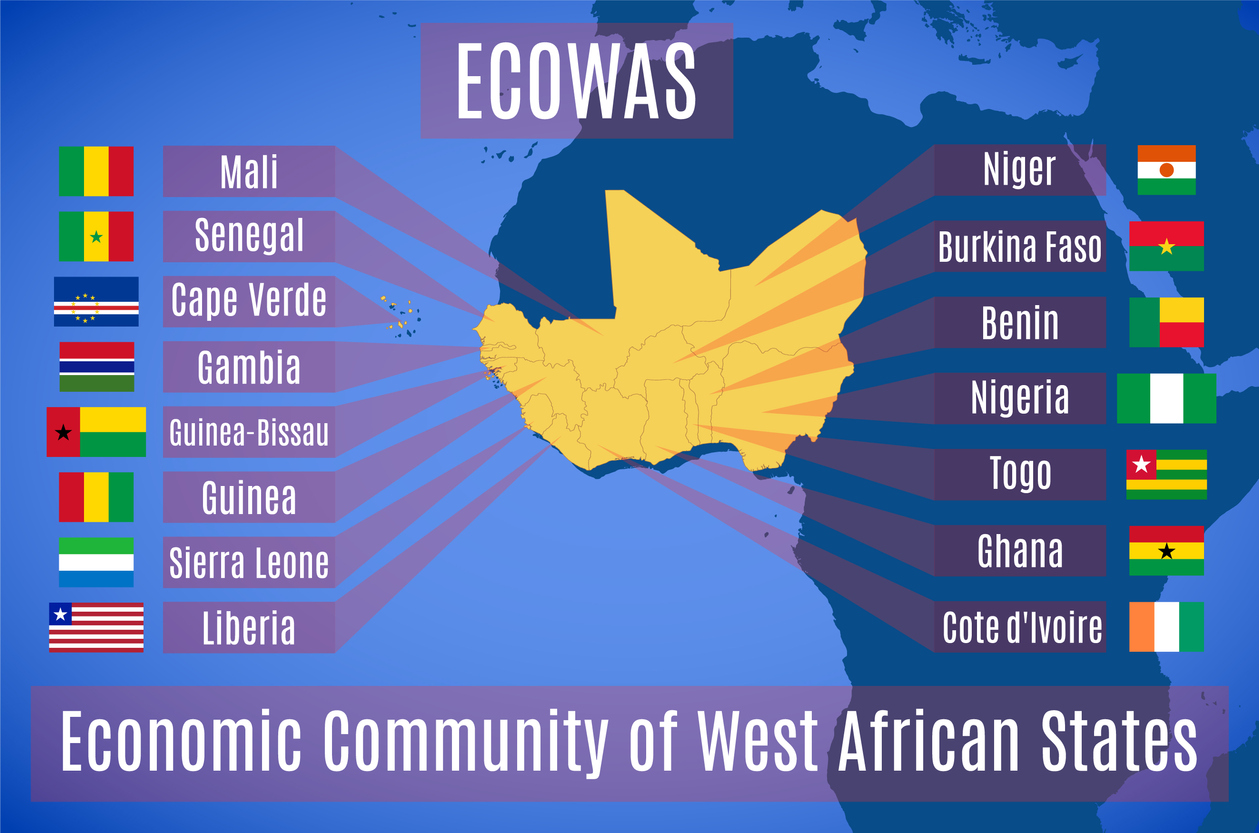
West Africa is emerging as a strategic hub for regional manufacturing and export-driven growth. With over 400 million consumers and a growing push toward intra-African trade, ECOWAS export manufacturing opportunities are becoming increasingly attractive for businesses looking to scale production and access new markets.
Understanding how to tap into this ecosystem requires a clear view of trade policies, supply chain infrastructure, and regional demand patterns.
Why ECOWAS Matters for Export Manufacturing
The Economic Community of West African States (ECOWAS) promotes trade integration by reducing tariffs and simplifying cross-border movement of goods. For manufacturers, this creates a more accessible regional market with fewer barriers compared to exporting outside Africa.
Key advantages include:
- Reduced or zero tariffs on approved goods under the ECOWAS Trade Liberalisation Scheme (ETLS)
- Access to a large and diverse consumer base
- Growing demand for locally manufactured goods
- Improved regional trade policies supporting industrialisation
These factors make ECOWAS a viable platform for businesses seeking to expand manufacturing output while maintaining competitive pricing.
High-Potential Sectors for ECOWAS Export Manufacturing Opportunities
Certain industries are particularly well-positioned to benefit from regional demand and trade incentives.
FMCG and Processed Foods
Demand for packaged foods, beverages, and household essentials continues to rise across West Africa. Local manufacturing reduces reliance on imports and shortens supply chains, making FMCG production a key opportunity.
Agro-Processing
Transforming raw agricultural products into finished or semi-finished goods adds value and improves export potential. Products such as cocoa derivatives, palm oil, and processed grains are in high demand within the ECOWAS region.
Building Materials
Urbanisation is driving demand for cement, steel products, and construction materials. Manufacturing within the region allows businesses to respond quickly to infrastructure needs.
Pharmaceuticals and Healthcare Products
With increasing focus on healthcare access, local production of essential medicines and medical supplies presents strong growth potential.
Key Challenges in Scaling Export Manufacturing
While opportunities are significant, businesses often face operational and structural challenges when entering regional export markets.
Regulatory Compliance
Navigating ETLS requirements, product certification, and customs documentation can be complex. Failure to comply may result in delays or restricted market access.
Logistics and Infrastructure
Cross-border transportation can be affected by road conditions, port congestion, and inconsistent logistics networks.
Sourcing Raw Materials
Ensuring consistent quality and availability of raw materials is critical for maintaining production standards.
Market Entry Strategy
Understanding local consumer preferences, pricing dynamics, and distribution channels is essential for successful expansion.
How to Successfully Leverage ECOWAS Export Manufacturing Opportunities
To maximise potential, businesses should adopt a structured approach to manufacturing and export strategy.
Build Efficient Supply Chains
Establishing reliable sourcing channels and distribution networks helps reduce costs and improve delivery timelines.
Align with ETLS Requirements
Ensuring products meet ECOWAS origin criteria and certification standards enables tariff-free trade within the region.
Invest in Scalable Production
Flexible manufacturing systems allow businesses to respond to fluctuating demand across multiple markets.
Partner with Regional Experts
Working with experienced trade and logistics partners can help businesses navigate regulatory requirements and operational challenges.
The Role of Wigmore Trading in Regional Manufacturing Expansion
Expanding into ECOWAS markets often requires more than just production capacity. Businesses need support across sourcing, logistics, compliance, and distribution.
Wigmore Trading provides practical solutions by:
- Sourcing high-quality raw materials from reliable suppliers
- Managing import and export logistics across West Africa
- Supporting compliance with regional trade regulations, including ETLS
- Facilitating distribution networks to reach key markets efficiently
By integrating these services, businesses can reduce operational risks and focus on scaling their manufacturing output.
Conclusion
The rise of regional trade integration presents a compelling case for businesses to explore ECOWAS export manufacturing opportunities. With strong demand across sectors such as FMCG, agro-processing, and construction materials, manufacturers can unlock significant growth by targeting West African markets.
Success, however, depends on strategic planning, efficient supply chains, and a clear understanding of regional trade frameworks. Businesses that invest in these areas will be better positioned to compete and expand within ECOWAS.
Wigmore Trading can help. Contact Wigmore Trading today to streamline your sourcing and regional distribution.





Comments are closed.