
Venezuela Crude Oil Exports: Find Trusted Supply Partners


Overview of Venezuela Crude Oil Exports
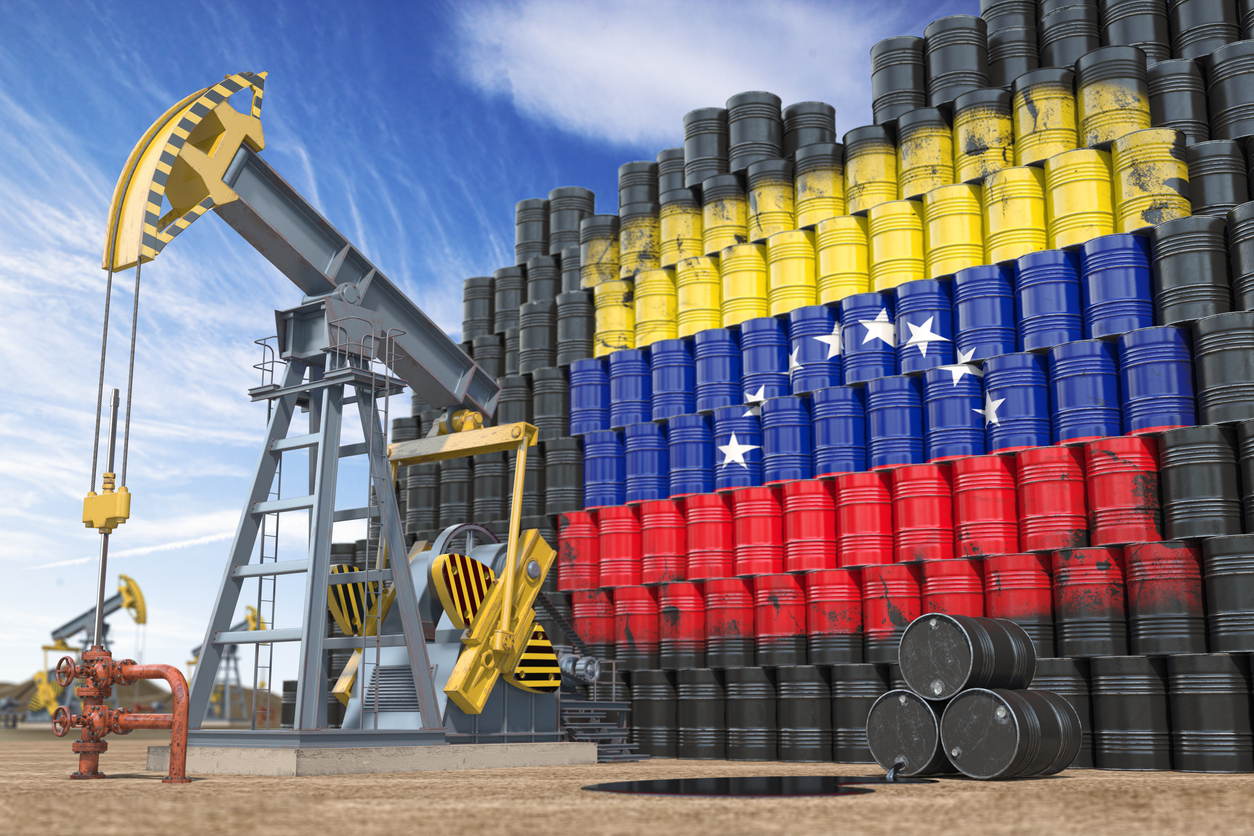
Venezuela crude oil exports remain a critical component of global energy trade, despite years of political instability, sanctions, and declining infrastructure. The country holds the world’s largest proven oil reserves, yet its export performance has fluctuated significantly due to operational and geopolitical constraints.
In 2025, Venezuela exported approximately 750,000 to 966,000 barrels per day, reflecting a notable recovery compared to previous years. This rebound has been driven by renewed demand from key markets and improved export logistics, although volatility remains a defining feature of the sector.
Key Markets for Venezuela Crude Oil Exports
Major Importing Countries
Venezuela’s export landscape is highly concentrated, with a few countries dominating demand:
- China: Accounts for roughly 75–80% of exports, making it the largest buyer
- United States: Imports Venezuelan heavy crude for specialised refinery operations
- Cuba, Malaysia, and India: Smaller but strategically important markets
This concentration exposes Venezuela to market risks but also creates opportunities for intermediaries, traders, and logistics providers to facilitate global distribution.
Export Composition
The vast majority of Venezuela crude oil exports consist of unrefined crude petroleum (HS 2709), which accounts for nearly all export revenue.
Due to the heavy and high-sulphur nature of Venezuelan crude, it is typically processed in complex refineries, particularly in the U.S. Gulf Coast and parts of Asia.
Challenges Affecting Venezuela Crude Oil Exports
1. Sanctions and Compliance Risks
International sanctions have significantly limited Venezuela’s ability to trade freely. These restrictions affect financing, shipping routes, and insurance, increasing transaction complexity and risk.
For importers and distributors, compliance is a major consideration when sourcing Venezuelan crude.
2. Infrastructure and Production Constraints
Despite vast reserves, production capacity remains constrained due to aging infrastructure and underinvestment. Output currently sits at around 900,000–1.1 million barrels per day, far below historical levels.
This limits export volumes and creates uncertainty in supply chains.
3. Logistics and Shipping Disruptions
Export flows can fluctuate due to logistical challenges. For example, shipments dropped sharply in late 2025 due to disruptions in long-haul routes and geopolitical risks affecting tanker movements.
Reliable logistics planning is therefore essential for businesses engaging in this market.
Opportunities for Global Trade and African Markets
Although Venezuela’s exports are primarily directed toward Asia and North America, there is growing interest in diversification across emerging markets, including Africa.
For African importers and traders, Venezuela crude oil exports present several opportunities:
- Access to discounted heavy crude for refining or resale
- Supply diversification amid global energy volatility
- Strategic partnerships with intermediaries and trading hubs
However, entering this market requires strong expertise in compliance, documentation, and shipping coordination.
The Role of Logistics and Trade Facilitation
Successfully engaging with Venezuela crude oil exports requires efficient supply chain management, including:
- Vessel chartering and maritime logistics
- Documentation and customs compliance
- Risk management and due diligence
- Storage and distribution planning
This is where experienced trade partners become essential. Companies operating across Africa and global markets need reliable support to navigate complex sourcing environments.
Wigmore Trading, for example, supports businesses with sourcing, logistics coordination, and compliance advisory across challenging markets, helping to reduce risk while improving supply chain efficiency.
Practical Considerations for Importers
Businesses considering Venezuelan crude should evaluate:
- Regulatory compliance in both origin and destination countries
- Refinery compatibility with heavy crude grades
- Shipping routes and insurance availability
- Pricing structures and contract terms
Working with established trade intermediaries can streamline these processes and ensure smoother execution.
Conclusion
Venezuela crude oil exports remain a significant yet complex segment of global energy trade. While production recovery and strong demand from major buyers have supported recent growth, challenges such as sanctions, infrastructure limitations, and logistics risks continue to shape the market.
For importers, distributors, and traders—particularly in emerging markets—there are clear opportunities, provided that operations are backed by strong compliance frameworks and efficient logistics support.
Wigmore Trading can help. Contact Wigmore Trading today to streamline your sourcing.


Comments are closed.