
Venezuela Upstream Oil Investment: Opportunities, Risks, and Supply Chain Implications

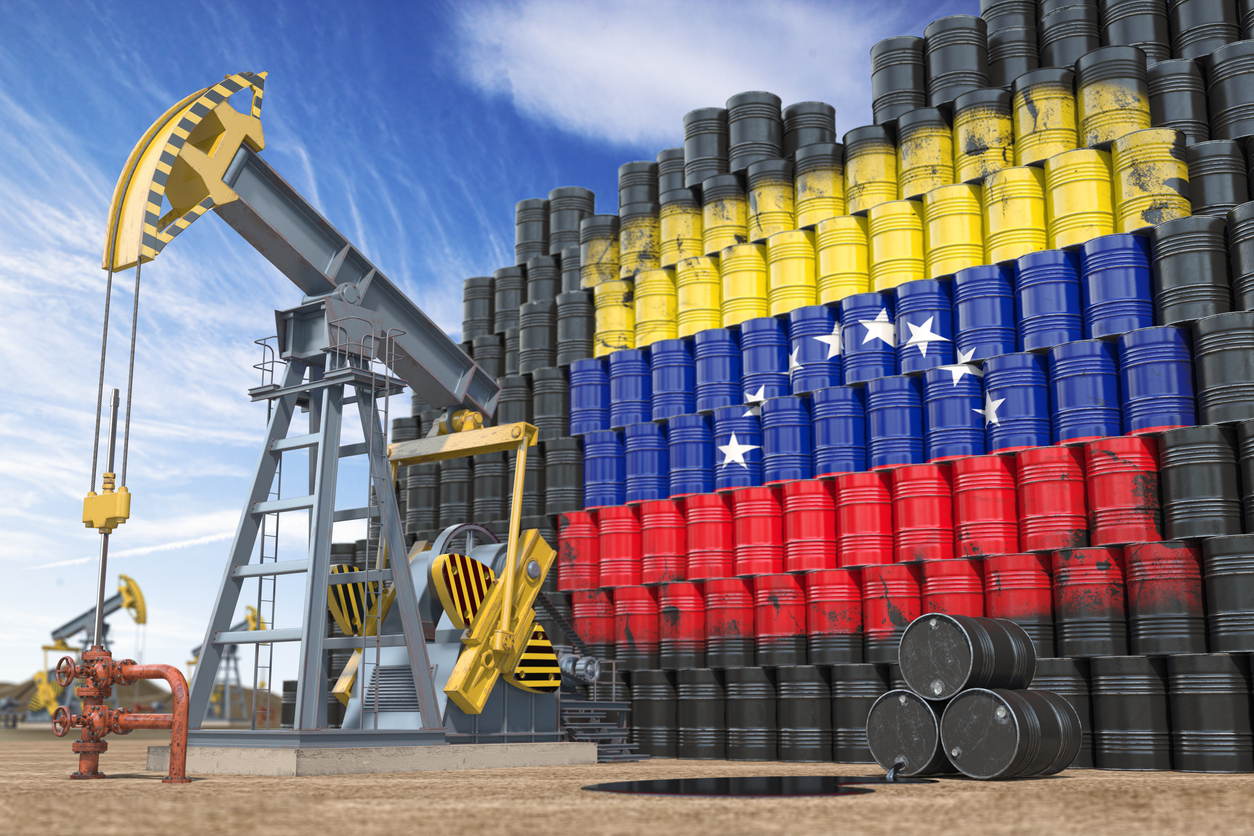
Understanding Venezuela’s Upstream Oil Investment Landscape
Venezuela upstream oil investment is entering a new phase in 2026, driven by policy reforms, geopolitical shifts, and renewed global interest. With over 300 billion barrels of proven reserves—the largest globally—the country holds significant long-term potential for exploration and production (E&P) investors.
Recent reforms aimed at opening the oil sector to private capital mark a major shift from decades of state dominance. The government is actively restructuring its hydrocarbons framework to attract foreign direct investment, with projections of around $1.4 billion in oil sector investments in 2026 alone.
For upstream operators, this evolving environment presents both opportunity and complexity, particularly in navigating regulatory frameworks, infrastructure gaps, and supply chain constraints.
Key Drivers of Venezuela Upstream Oil Investment
Policy Reforms and Market Liberalisation
A major catalyst for Venezuela upstream oil investment is the transition toward a more investor-friendly regulatory environment. Recent developments include:
- Opening upstream operations to private ownership and joint ventures
- Introduction of international arbitration mechanisms
- Revised royalty structures to improve project economics
These changes are designed to rebuild investor confidence after years of nationalisation and policy uncertainty.
Untapped Reserves and Low Exploration Risk
Unlike frontier markets, Venezuela offers:
- Well-mapped reserves with minimal exploration risk
- Existing oil fields requiring rehabilitation rather than discovery
- High potential for rapid production increases with capital injection
This makes upstream projects particularly attractive for companies seeking scalable, resource-rich assets.
Rising Global Demand for Heavy Crude
Venezuela’s extra-heavy crude is well-suited for refineries in the United States and other markets. As global energy markets adjust to supply disruptions elsewhere, Venezuelan crude is regaining strategic relevance.
Challenges Impacting Upstream Investment
Despite strong fundamentals, Venezuela upstream oil investment remains high-risk.
Political and Regulatory Uncertainty
Legal clarity is still evolving, and investors remain cautious. Large-scale capital deployment depends heavily on:
- Stable governance structures
- Transparent regulatory enforcement
- Long-term contract security
Without these, investor confidence remains fragile.
Infrastructure and Operational Constraints
Years of underinvestment have left Venezuela with:
- Deteriorated pipelines and refineries
- Limited drilling capacity
- Shortages of equipment and skilled labour
Rebuilding upstream infrastructure alone could require tens of billions of dollars over the next decade.
Sanctions and Financial Risks
Although some sanctions are easing, compliance remains complex. Investors must navigate:
- Changing international trade restrictions
- Payment and financing limitations
- Political exposure to future sanctions
This creates additional layers of operational risk for upstream projects.
Supply Chain and Logistics Considerations
Upstream oil investment is not limited to exploration—it requires robust logistics and supply chain systems.
Equipment Sourcing and Distribution
Upstream operations depend on:
- Drilling equipment and spare parts
- Chemicals and refining inputs
- Transportation and storage infrastructure
Efficient sourcing and distribution are critical, especially in a market with supply chain disruptions.
Import/Export and Compliance Management
Companies operating in Venezuela must ensure:
- Compliance with international trade regulations
- Efficient customs clearance processes
- Reliable shipping and freight coordination
This is where experienced trade partners become essential.
How Wigmore Trading Supports Oil and Energy Supply Chains
For companies exploring Venezuela upstream oil investment, managing logistics and sourcing challenges is just as important as securing licenses.
Wigmore Trading provides practical support across key areas:
- Sourcing and Procurement: Access to industrial equipment, FMCG supplies, and operational inputs required for upstream activities
- Logistics and Freight: Coordinated shipping solutions across Africa, Latin America, and global markets
- Trade Compliance: Guidance on import/export regulations and documentation
- Distribution Networks: Efficient movement of goods across complex supply chains
By bridging supply chain gaps, Wigmore Trading helps businesses operate more efficiently in emerging and high-risk markets.
Strategic Outlook for Investors
The outlook for Venezuela upstream oil investment is cautiously optimistic. Analysts describe the market as “selective and conditional,” where opportunities exist but require careful risk assessment.
Short-term gains are likely to come from:
- Rehabilitation of existing oil fields
- Partnerships with local or state entities
- Incremental production increases
Long-term growth, however, depends on sustained reforms, infrastructure investment, and political stability.
Conclusion
Venezuela upstream oil investment presents a unique combination of scale, risk, and opportunity. While the country’s vast reserves and regulatory reforms are attracting renewed interest, challenges around infrastructure, governance, and compliance remain significant.
Success in this market will depend on strategic partnerships, operational efficiency, and strong supply chain management. Companies that can navigate these complexities effectively will be best positioned to benefit from Venezuela’s energy sector recovery.
Wigmore Trading can help. Contact Wigmore Trading today to streamline your sourcing.


Comments are closed.