
Understanding Weekly Food Supply in Nigeria: Trends, Challenges, and Efficient Distribution

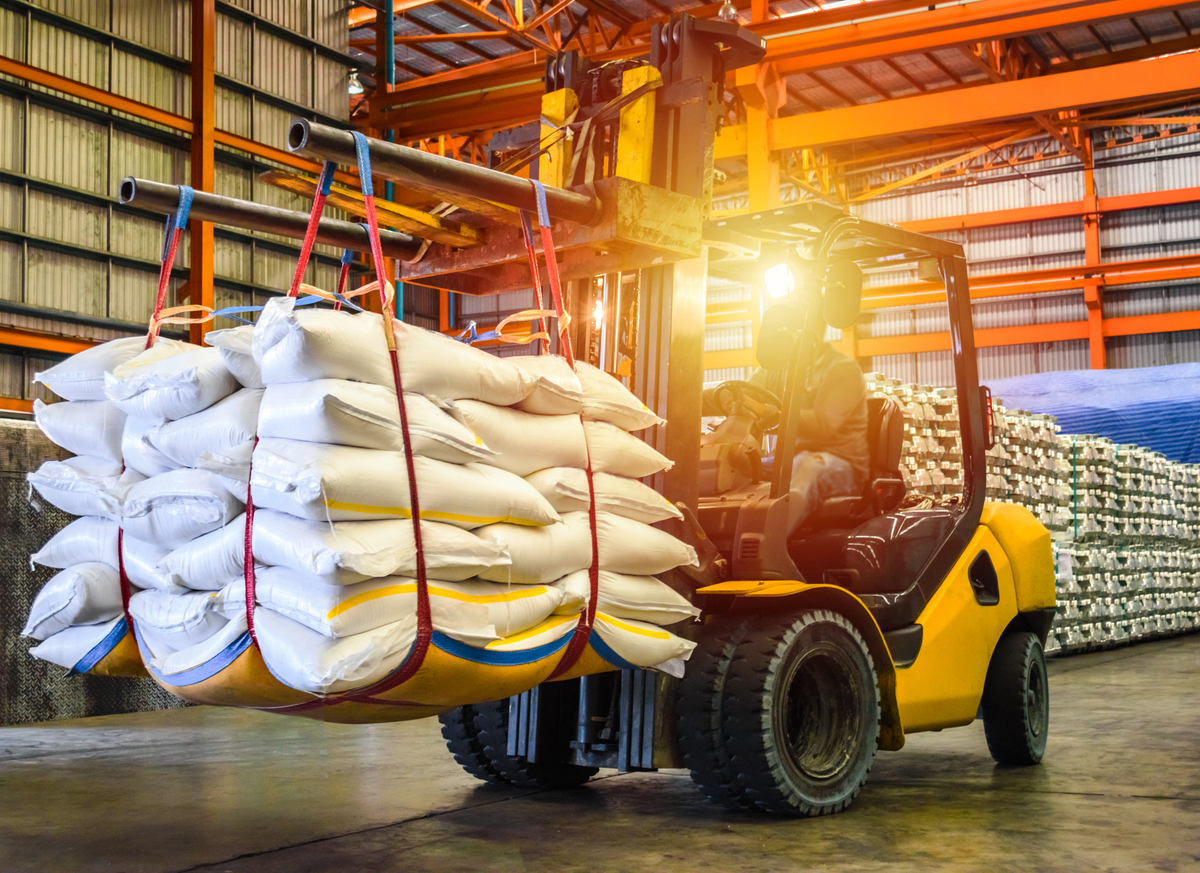
The weekly food supply in Nigeria plays a critical role in sustaining households, retailers, and businesses across the country. With a growing population and increasing urbanisation, the demand for consistent, affordable, and high-quality food distribution has never been higher. Efficient supply chains are essential to ensure that food products move seamlessly from farms and import channels to markets and consumers.
This article explores how the weekly food supply system works in Nigeria, the key challenges affecting it, and how businesses can optimise procurement and distribution processes.
Overview of Weekly Food Supply in Nigeria
Nigeria’s food supply chain operates through a mix of local agricultural production and imported goods. Weekly supply cycles are common in urban markets, supermarkets, and wholesale distribution networks, where retailers restock essential food items such as rice, flour, cooking oil, beverages, and packaged goods.
The supply chain typically involves:
- Farmers and local producers
- Importers and distributors
- Wholesale markets and depots
- Retailers and supermarkets
A consistent weekly supply ensures price stability, availability of goods, and efficient inventory management for businesses.
Key Drivers of Weekly Food Demand
Several factors influence the weekly food supply in Nigeria, including:
Population Growth and Urbanisation
Rapid urban expansion in cities like Lagos, Abuja, and Port Harcourt has increased reliance on structured food distribution systems. Urban consumers depend heavily on weekly restocking cycles due to limited storage capacity.
Changing Consumer Preferences
There is growing demand for packaged, imported, and convenience foods. This shift has increased the need for reliable importation and distribution networks to maintain steady weekly supply levels.
Seasonal Agricultural Production
Local food supply fluctuates based on harvest cycles. During off-seasons, imports play a crucial role in bridging supply gaps and maintaining consistency in the market.
Challenges Affecting Weekly Food Supply in Nigeria
Despite strong demand, several challenges impact the efficiency of food supply chains:
Logistics and Infrastructure Constraints
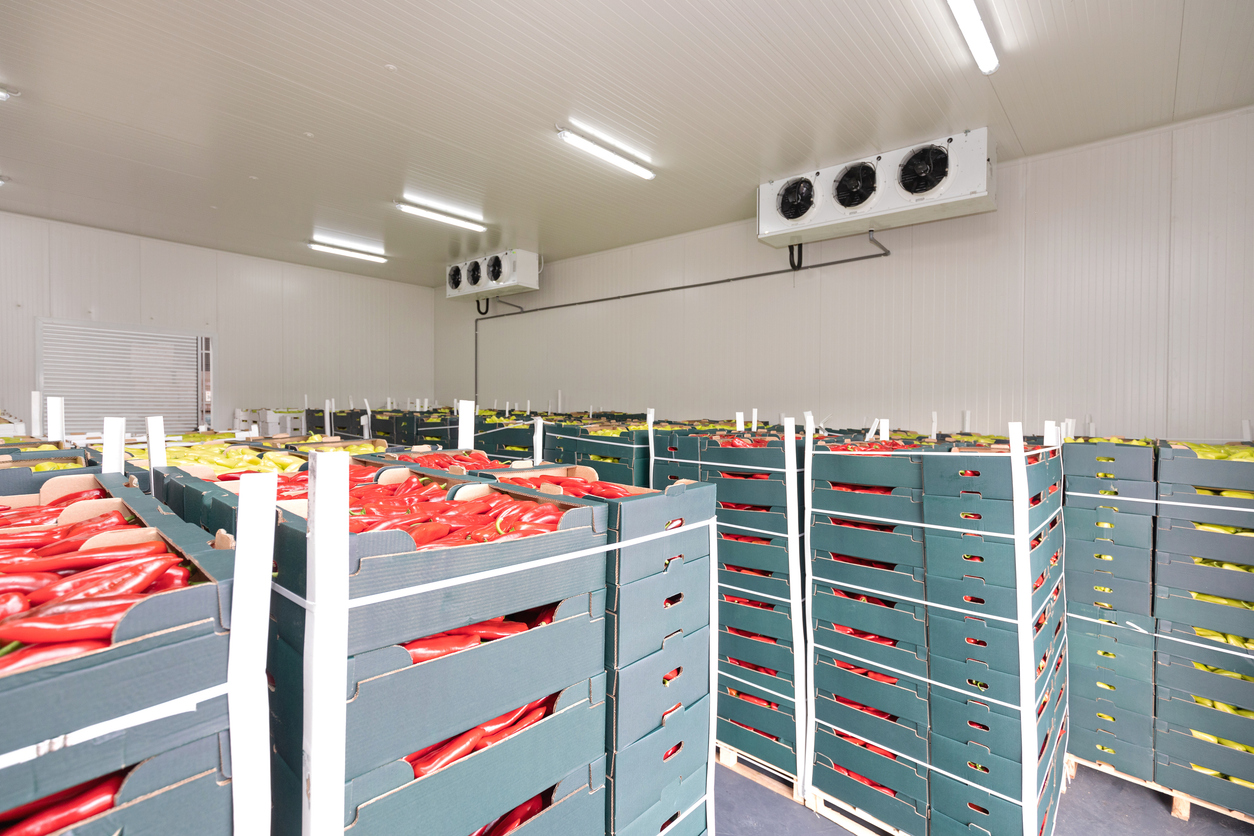
Poor road networks, port congestion, and limited cold chain infrastructure can delay deliveries and increase costs. These inefficiencies often disrupt weekly supply schedules.
Supply Chain Fragmentation
The Nigerian food supply chain is highly fragmented, with multiple intermediaries. This can lead to price inconsistencies, delays, and reduced transparency.
Import Regulations and Compliance
Importing food products requires adherence to regulatory standards, including NAFDAC approvals and customs clearance. Delays in compliance processes can disrupt supply timelines.
Currency Fluctuations
Exchange rate volatility affects the cost of imported food products, making it difficult for businesses to maintain consistent pricing week-to-week.
Strategies to Improve Weekly Food Supply Efficiency
To ensure a reliable weekly food supply in Nigeria, businesses must adopt structured and strategic approaches:
Streamlined Procurement Processes
Working with reliable sourcing partners helps businesses secure consistent product availability. Bulk purchasing and long-term supplier relationships can also reduce costs and ensure steady supply.
Efficient Warehousing and Inventory Management
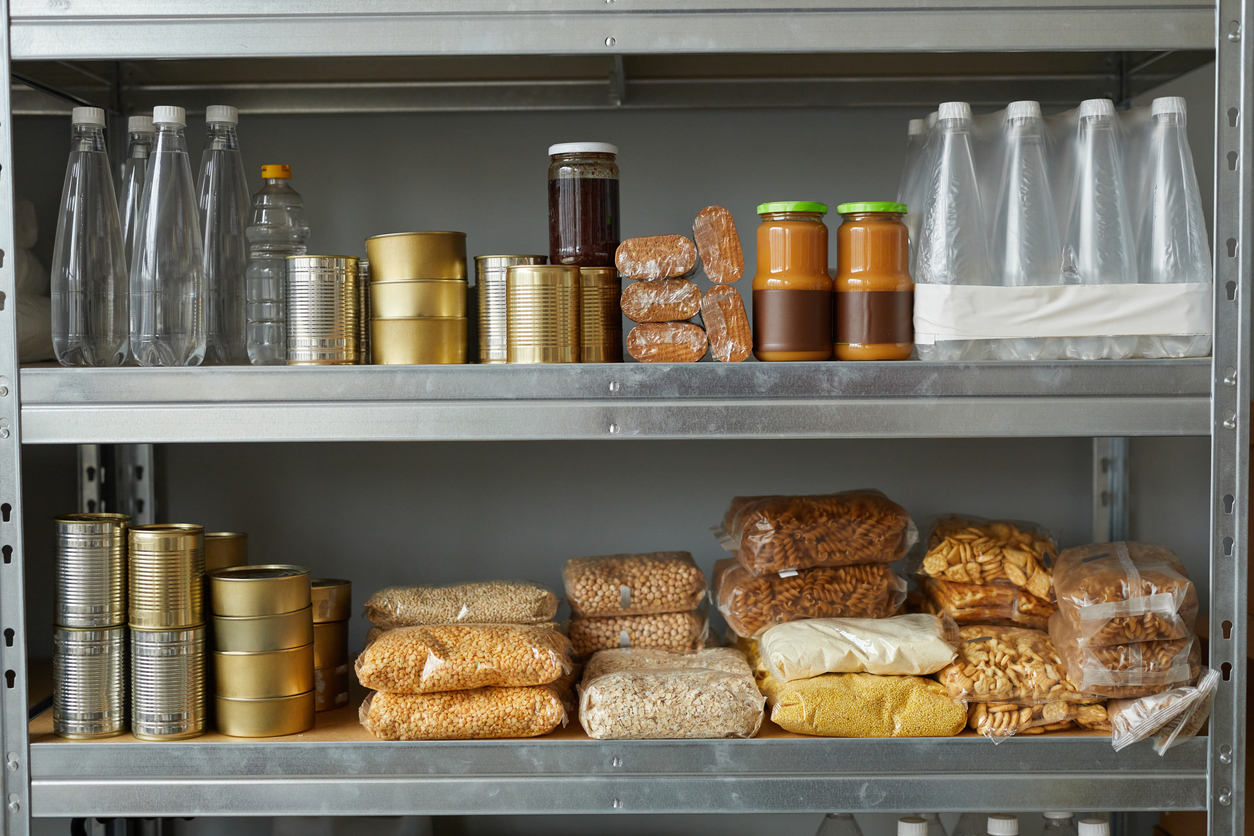
Maintaining well-organised warehouses allows businesses to manage stock levels effectively and avoid shortages. Inventory forecasting tools can help predict demand and optimise weekly restocking cycles.
Strong Distribution Networks
Partnering with experienced logistics providers ensures timely delivery across regions. Efficient last-mile distribution is especially important in densely populated urban areas.
Compliance and Documentation Management
Ensuring all regulatory requirements are met in advance reduces delays at ports and borders. Proper documentation streamlines import processes and supports consistent supply flow.
The Role of Strategic Partners in Food Supply Chains
Businesses often struggle to manage sourcing, logistics, and compliance simultaneously. This is where experienced partners play a vital role.
Wigmore Trading supports companies by:
- Sourcing high-quality food products locally and internationally
- Managing importation and regulatory compliance
- Providing warehousing and distribution solutions
- Ensuring timely delivery to meet weekly supply demands
By leveraging an integrated supply chain approach, businesses can reduce operational risks and maintain consistent product availability.
Opportunities in Nigeria’s Food Supply Market
The Nigerian food market presents significant opportunities for distributors, wholesalers, and retailers:
- Growing demand for FMCG products
- Expansion of modern retail chains
- Increased investment in logistics infrastructure
- Rising interest in private label and bulk supply models
Businesses that can optimise their weekly supply cycles are better positioned to scale operations and meet market demand efficiently.
Conclusion
The weekly food supply in Nigeria is a dynamic and essential component of the country’s economy. While challenges such as logistics constraints and regulatory hurdles persist, businesses can overcome these issues through strategic planning, efficient supply chain management, and reliable partnerships.
Ensuring consistency in supply not only improves profitability but also strengthens customer trust and market competitiveness.
Wigmore Trading can help. Contact Wigmore Trading today to streamline your sourcing.


Comments are closed.