
West Africa Storage Tank Leasing Surge Demand: What’s Driving the Market?

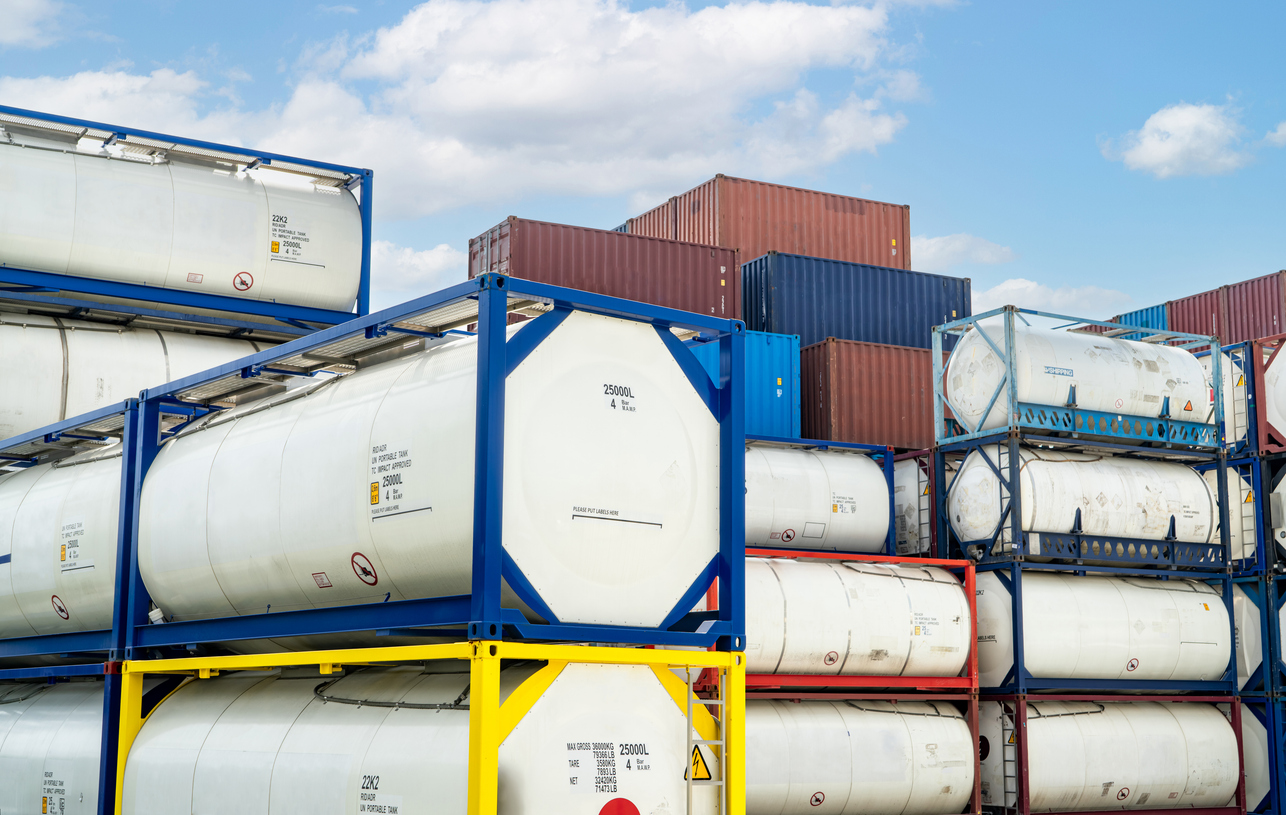
Across the energy, petrochemical, and FMCG sectors, companies operating in West Africa are facing a growing need for reliable storage infrastructure. In recent years, the West Africa storage tank leasing surge demand has become increasingly evident as importers, distributors, and commodity traders look for flexible storage solutions near key ports and trade hubs.
As trade volumes increase across the region—particularly in petroleum products, edible oils, chemicals, and bulk liquids—businesses are seeking alternatives to building their own costly storage facilities. Leasing storage tanks offers flexibility, reduced capital expenditure, and faster access to distribution networks.
For companies involved in import and export across Africa, understanding this growing demand is essential for navigating supply chains and maintaining efficient logistics.
Understanding the West Africa Storage Tank Leasing Surge Demand
The West Africa storage tank leasing surge demand is largely driven by expanding regional trade and infrastructure constraints. Many importers bring bulk liquids into major ports such as Lagos, Tema, Abidjan, and Dakar, but lack sufficient long-term storage capacity.
Leasing storage tanks allows businesses to temporarily hold products before distribution to wholesalers, industrial users, or retail markets.
Key products commonly stored in leased tanks include:
-
Petroleum products (diesel, petrol, aviation fuel)
-
Edible oils
-
Chemicals and solvents
-
Industrial liquids
-
Food-grade bulk liquids
Instead of investing millions into permanent facilities, companies increasingly rely on third-party storage providers located near ports or logistics corridors.
Why Businesses Prefer Leasing Storage Tanks
Lower Capital Investment
Building private storage infrastructure requires significant upfront capital, land acquisition, engineering approvals, and regulatory compliance. For many companies entering West African markets, these barriers can slow expansion.
The West Africa storage tank leasing surge demand reflects a shift toward flexible infrastructure models. Leasing allows companies to access modern storage facilities without the financial burden of ownership.
Faster Market Entry
Leased storage enables companies to begin importing and distributing products quickly. This is particularly important in sectors where supply gaps can emerge suddenly, such as fuel or food commodities.
With tank leasing, businesses can secure space within weeks rather than waiting months or years to build facilities.
Flexibility in Supply Chain Management
Trade volumes fluctuate depending on seasonal demand, government policy, and commodity prices. Leasing provides flexibility to scale storage capacity up or down depending on market conditions.
Companies can adjust logistics strategies without long-term infrastructure commitments.
Key Drivers Behind the West Africa Storage Tank Leasing Surge Demand
Growth in Petroleum Imports
West Africa relies heavily on imported refined petroleum products. With fuel demand rising due to population growth and industrial expansion, storage capacity near ports has become increasingly valuable.
Fuel traders and distributors require storage before products are transported inland to retail stations or industrial customers.
Expansion of FMCG and Food Imports
Edible oils, syrups, and food processing ingredients are often imported in bulk liquid form. The growth of food manufacturing across West Africa has contributed to the West Africa storage tank leasing surge demand, particularly for food-grade storage.
Companies need reliable storage that meets safety and hygiene standards before products are repackaged or processed.
Increasing Regional Trade
Regional trade agreements and cross-border logistics improvements are increasing the movement of goods between West African countries.
Storage tanks located near major ports or logistics hubs allow traders to hold inventory while coordinating shipments across multiple markets.
Infrastructure Challenges in West Africa
Despite growing demand, storage infrastructure in West Africa still faces several challenges.
Limited Storage Capacity
Many ports operate close to full capacity, especially during periods of high fuel imports or agricultural commodity shipments. Limited storage can cause delays in unloading cargo, increasing demurrage costs for importers.
Regulatory Compliance
Handling petroleum, chemicals, and food-grade liquids requires strict compliance with environmental and safety regulations. Businesses must ensure storage facilities meet local regulatory requirements.
Supply Chain Coordination
Managing bulk liquid logistics—from vessel arrival to storage and inland distribution—requires coordination between shipping agents, storage operators, and transport providers.
Without proper planning, supply chain disruptions can lead to product shortages or financial losses.
The Role of Logistics and Trading Partners
Because of these challenges, many companies rely on experienced trading and logistics partners to manage storage arrangements and distribution planning.
A logistics partner can help businesses:
-
Secure available storage tank capacity
-
Manage port logistics and product handling
-
Ensure regulatory compliance
-
Coordinate inland transportation
-
Reduce delays and operational costs
Working with established partners can significantly simplify complex supply chain operations across the region.
How Wigmore Trading Supports Storage and Supply Chains
Companies operating in West Africa often require more than just storage—they need integrated supply chain support.
Wigmore Trading works with importers, exporters, and distributors to help manage sourcing, logistics, and distribution across African markets. Through established networks and industry partnerships, businesses can access reliable logistics solutions, including bulk product handling and storage coordination.
For companies navigating the West Africa storage tank leasing surge demand, having a partner familiar with regional infrastructure and regulatory requirements can help reduce operational risks and improve efficiency.
Conclusion
The West Africa storage tank leasing surge demand reflects broader economic growth and increasing trade across the region. As industries such as petroleum distribution, food processing, and chemicals expand, access to flexible storage infrastructure has become essential.
Leasing storage tanks allows businesses to manage supply chains efficiently while avoiding the high costs associated with building private storage facilities. However, infrastructure limitations and logistical complexity mean companies must carefully plan their storage and distribution strategies.
Working with experienced logistics and trading partners can help businesses navigate these challenges while maintaining efficient operations across West African markets.
Wigmore Trading can help. Contact Wigmore Trading today to streamline your sourcing and supply chain operations.




Comments are closed.