
What Weapons Are Legal in Nigeria for Self Defence?
Talk to us about this service
Trade, import, logistics, sourcing — whatever you're planning, the fastest way to a quote is a WhatsApp message. Our team replies during Lagos business hours.
WhatsApp usYour message tells us which page you came from
Understanding what weapons are legal in Nigeria for self defence is essential for individuals and businesses operating within the country. Nigeria has strict laws governing weapons possession, and failure to comply can result in severe penalties. For importers, distributors, and corporate organisations, compliance is not only a legal requirement but also a critical component of risk management.
This article provides a clear, factual overview of legally permitted self-defence tools in Nigeria, the regulatory framework, and how businesses can navigate sourcing and compliance effectively.
Understanding Nigeria’s Weapons Laws
Nigeria regulates weapons primarily through the Firearms Act (Cap F28, Laws of the Federation of Nigeria) and related security regulations. These laws strictly control the possession, importation, sale, and use of firearms and certain offensive weapons.
In general, the law prioritises public safety over personal armament, meaning most high-risk weapons are either prohibited or require special licensing from authorities such as the Nigerian Police Force.
For businesses involved in import/export or wholesale distribution, this means any product classified as a weapon must undergo strict scrutiny before entering the Nigerian market.
Legal Self Defence Options in Nigeria
1. Personal Alarms and Non-Weapon Devices
The safest and most widely accepted self-defence tools in Nigeria are non-weapon deterrents, such as:
- Personal safety alarms
- Whistles
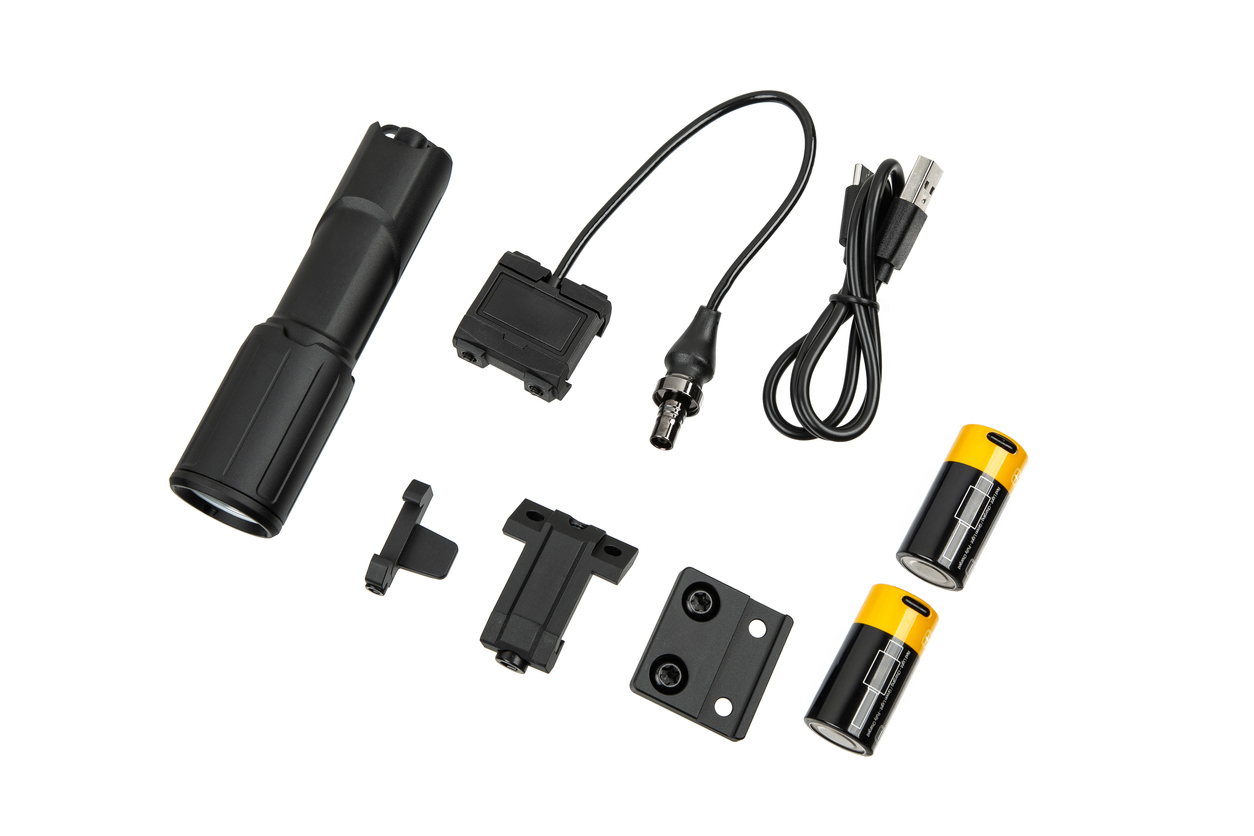
- Flashlights (especially tactical lights)
These devices are legal because they do not cause harm but help deter attackers or attract attention. They are commonly used in urban areas and are suitable for both individuals and corporate security protocols.
2. Pepper Spray (Restricted Use)
Pepper spray occupies a legal grey area in Nigeria. While it is not explicitly listed as a prohibited firearm, it may be classified under offensive or controlled items depending on interpretation and enforcement.
- Some individuals possess pepper spray for personal protection
- Importation and commercial distribution may require clearance from regulatory bodies
For businesses, importing pepper spray without proper documentation can lead to seizure or penalties. Working with experienced logistics and compliance partners is essential to avoid regulatory issues.
3. Batons and Clubs
Items such as batons, clubs, or truncheons are generally restricted:
- Security agencies (e.g., police, licensed security firms) may use them
- Civilian possession can be questioned and may require justification
For private security companies, proper licensing is mandatory. Unauthorised distribution or importation can lead to legal complications.
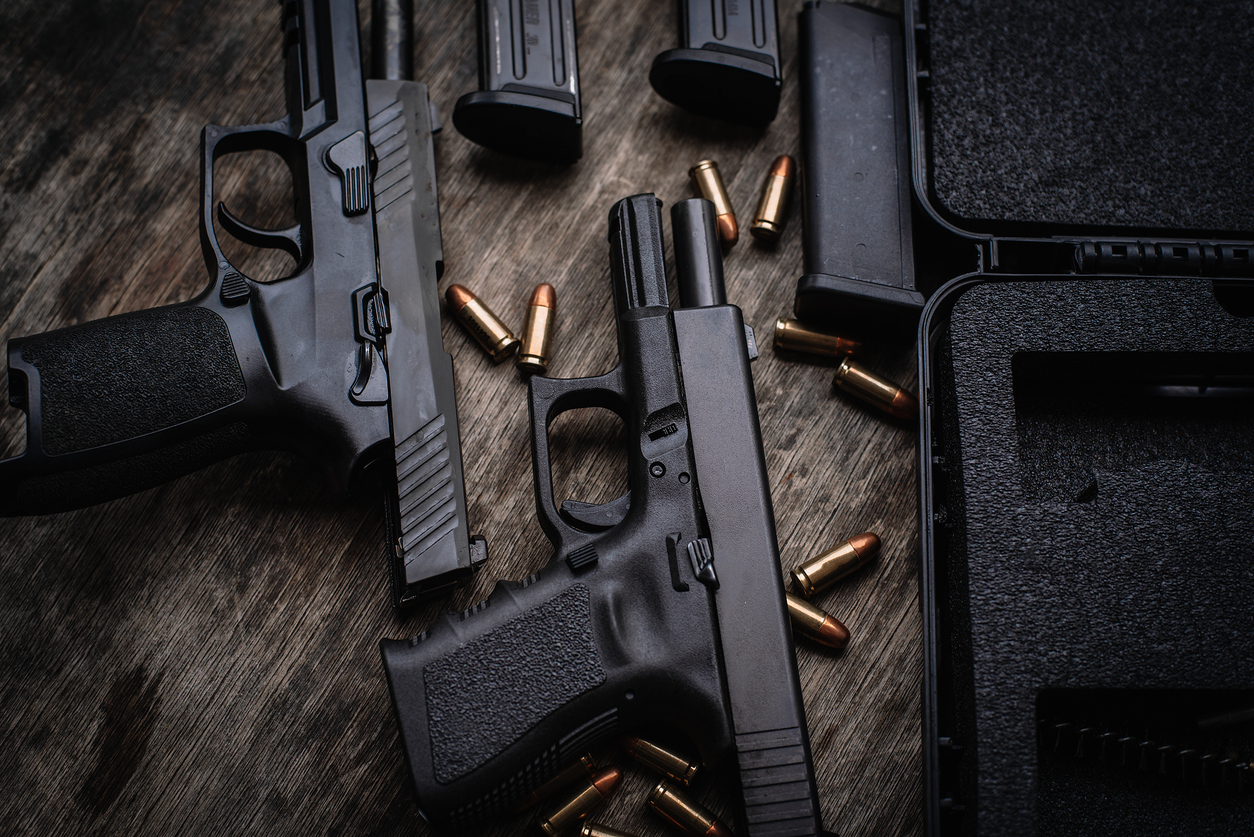
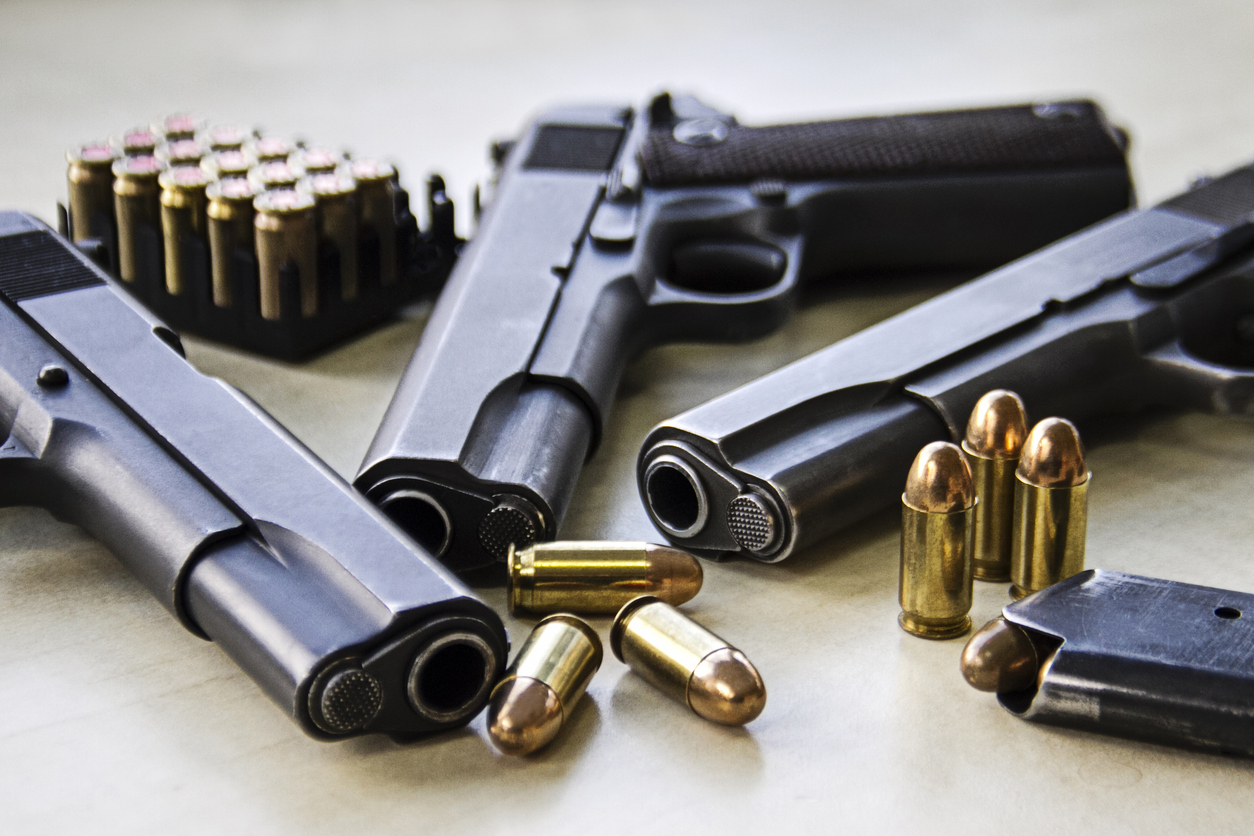
4. Firearms (Strictly Licensed)
Firearms are heavily regulated in Nigeria and are not freely available for self defence. Legal ownership requires:
- A firearm licence issued by the Nigerian Police
- Background checks and approval processes
- Justification for need (e.g., high-risk individuals)
Even with a licence, only specific categories of firearms are permitted. Automatic weapons and military-grade arms are strictly prohibited.
From a commercial perspective, importing firearms into Nigeria involves complex regulatory approvals, making it a highly controlled sector unsuitable for general trade without government authorisation.
Prohibited Weapons in Nigeria
Certain weapons are outright banned for civilian use, including:
- Automatic firearms
- Military-grade weapons
- Explosives
- Certain types of knives classified as offensive weapons
Attempting to import or distribute these items can result in severe legal consequences, including confiscation, fines, and imprisonment.
Compliance Challenges for Importers and Distributors
For businesses operating in import/export and wholesale distribution, navigating Nigeria’s weapons regulations presents several challenges:
- Unclear classification of certain self-defence products (e.g., pepper spray)
- Customs clearance delays due to regulatory scrutiny
- Licensing requirements that vary depending on product type
- Risk of shipment seizure if documentation is incomplete
These challenges highlight the importance of working with experienced trade and logistics partners who understand local regulations.
How Wigmore Trading Supports Safe and Compliant Sourcing
Wigmore Trading works with businesses across Nigeria and West Africa to ensure compliant sourcing, importation, and distribution of regulated goods.
When dealing with self-defence products or security-related items, Wigmore Trading can assist with:
- Regulatory guidance on permitted and restricted items
- Supplier verification to ensure product compliance
- Import documentation and customs clearance
- End-to-end logistics coordination
By ensuring that all processes align with Nigerian laws, businesses can reduce risk while maintaining efficient supply chains.
Best Practices for Businesses
To operate safely within Nigeria’s legal framework, businesses should:
- Verify whether a product is classified as a weapon before importation
- Obtain all necessary permits and approvals in advance
- Work with licensed logistics and compliance experts
- Avoid dealing in prohibited or ambiguous items without legal clarification
Taking a proactive approach to compliance helps prevent costly disruptions and legal exposure.
Conclusion
Understanding what weapons are legal in Nigeria for self defence is essential for both individuals and businesses. While non-weapon deterrents are widely accepted, items like pepper spray and batons fall into restricted categories, and firearms require strict licensing.
For importers and distributors, compliance is critical. Missteps in classification, documentation, or licensing can lead to serious consequences. Partnering with experienced trade specialists ensures smoother operations and adherence to local laws.
Wigmore Trading can help. Contact Wigmore Trading today to streamline your sourcing.
No Comments Yet.

Comments are closed.