
Where to Source Certified PPE from China for UK Distribution

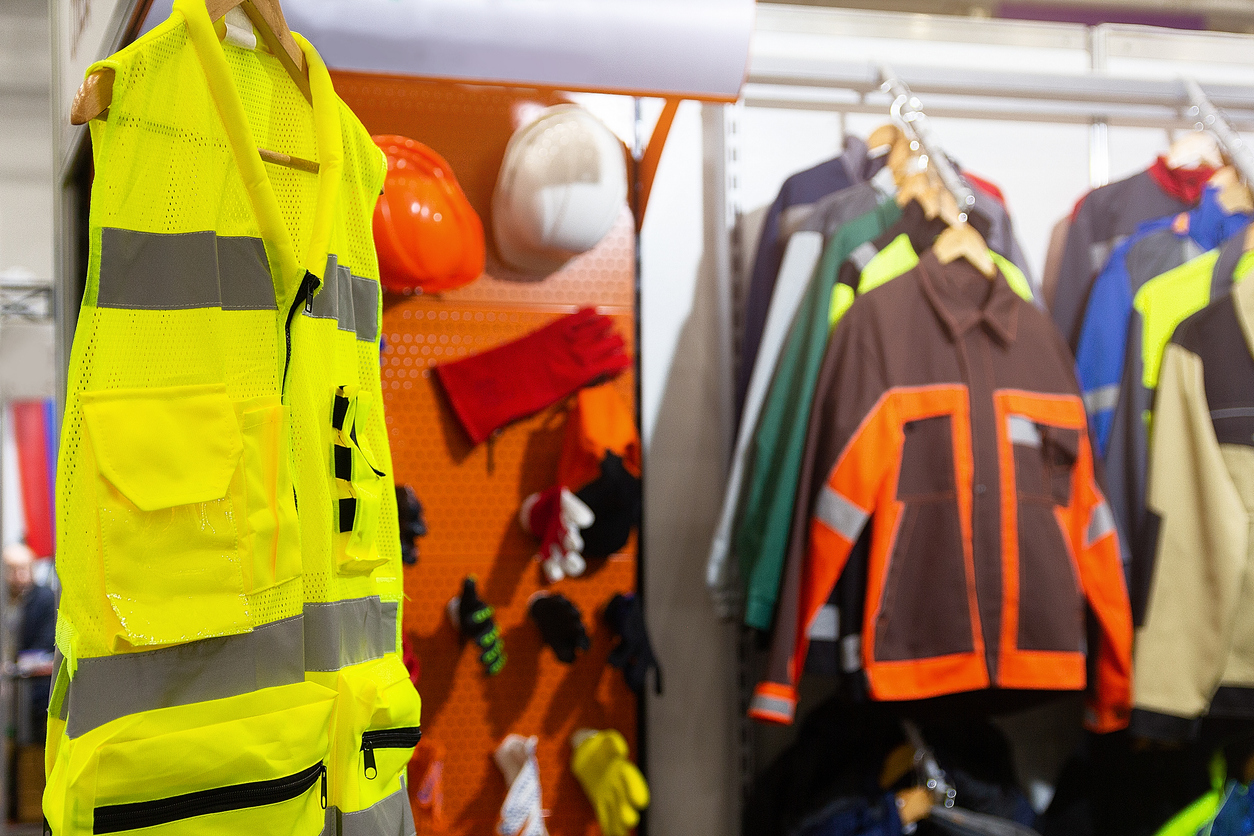
The PPE import from China to UK market has grown significantly in recent years, driven by heightened safety standards across healthcare, construction, manufacturing, logistics, and retail sectors. Personal protective equipment (PPE) such as gloves, masks, coveralls, respirators, and protective eyewear remains essential for regulatory compliance and workplace safety.
For UK importers, sourcing PPE from China offers competitive pricing and strong manufacturing capacity. However, successful importing requires careful attention to product standards, certification requirements, customs procedures, and logistics planning. Understanding these elements is critical to maintaining compliance and protecting both workers and brand reputation.
Why Import PPE from China to the UK?
China is one of the world’s largest manufacturers of PPE, supplying global markets with a wide range of certified products. The advantages for UK importers include scalable production, diverse product options, and competitive pricing structures that suit both wholesalers and large distributors.
Many UK businesses rely on Chinese suppliers for items such as disposable nitrile gloves, surgical masks, FFP2 and FFP3 respirators, protective gowns, and face shields. Chinese factories often operate with advanced production lines and can accommodate private labeling, bulk orders, and tailored packaging for retail or wholesale distribution.
However, cost efficiency should never outweigh compliance. The UK maintains strict regulatory standards for PPE, and non-compliant imports can lead to shipment delays, financial penalties, or product recalls.
Regulatory Requirements for PPE Import from China to UK
When managing a PPE import from China to UK, regulatory compliance is one of the most critical factors.
PPE sold in Great Britain must comply with the Personal Protective Equipment Regulations 2018. Products must carry the UKCA mark (or CE mark, where applicable under transitional arrangements), demonstrating conformity with relevant safety standards.
Key requirements include:
-
Correct product classification (Category I, II, or III PPE)
-
Conformity assessment by an approved body for higher-risk categories
-
Technical documentation and Declaration of Conformity
-
Proper labeling and user instructions in English
Importers become legally responsible for ensuring products meet UK standards once they place goods on the market. This means verifying supplier certifications, test reports, and compliance documentation before shipment.
In Northern Ireland, additional requirements may apply under the Northern Ireland Protocol, where CE marking and UKNI marking may still be relevant. Importers must ensure they understand the regulatory distinction between Great Britain and Northern Ireland markets.
Working with experienced trade partners such as Wigmore Trading can reduce compliance risks by assisting with supplier verification, documentation checks, and quality assurance processes before goods leave China.
Customs Clearance and Tariffs
Beyond product compliance, the PPE import from China to UK process involves customs declarations, correct commodity codes, and duty calculations.
PPE items fall under specific HS (Harmonised System) codes, which determine applicable customs duties and VAT rates. While some PPE products previously benefited from temporary duty relief measures, standard import VAT and customs duty now generally apply unless specific trade relief schemes are in place.
Accurate customs documentation typically includes:
-
Commercial invoice
-
Packing list
-
Bill of lading or airway bill
-
Certificate of origin (if required)
-
Import declaration via HMRC systems
Incorrect classification or incomplete documentation can result in shipment delays at UK ports. A reliable logistics and customs partner ensures accurate tariff classification and smooth border clearance.
Logistics and Shipping Considerations
Shipping PPE from China to the UK can be arranged by sea freight, air freight, or rail, depending on urgency and order volume.
Air freight is faster and suitable for urgent healthcare or safety requirements, but it carries higher costs. Sea freight is more economical for large wholesale shipments, although transit times are longer. Businesses must balance cost, speed, and inventory planning when selecting the transport method.
Storage and warehousing are also important considerations. PPE products often require dry, temperature-controlled environments to maintain integrity. Proper packaging and container loading practices help prevent contamination or damage during transit.
Wigmore Trading supports businesses with freight coordination, port handling, and end-to-end supply chain management, ensuring PPE shipments arrive efficiently and meet UK regulatory requirements.
Quality Control and Supplier Verification
One of the most common risks in PPE import from China to UK operations is inconsistent product quality. Substandard PPE can pose serious safety risks and damage a distributor’s credibility.
Importers should conduct pre-shipment inspections, review laboratory test reports, and confirm that certifications are valid and issued by recognized bodies. It is not uncommon for fraudulent certificates or outdated approvals to circulate in global supply chains.
Establishing long-term supplier relationships and conducting factory audits significantly reduces risk. Third-party inspection services in China can verify production standards before goods are dispatched.
Wigmore Trading assists businesses by coordinating supplier due diligence, quality inspections, and compliance verification to ensure imported PPE meets UK legal and performance standards.
Market Demand and Distribution in the UK
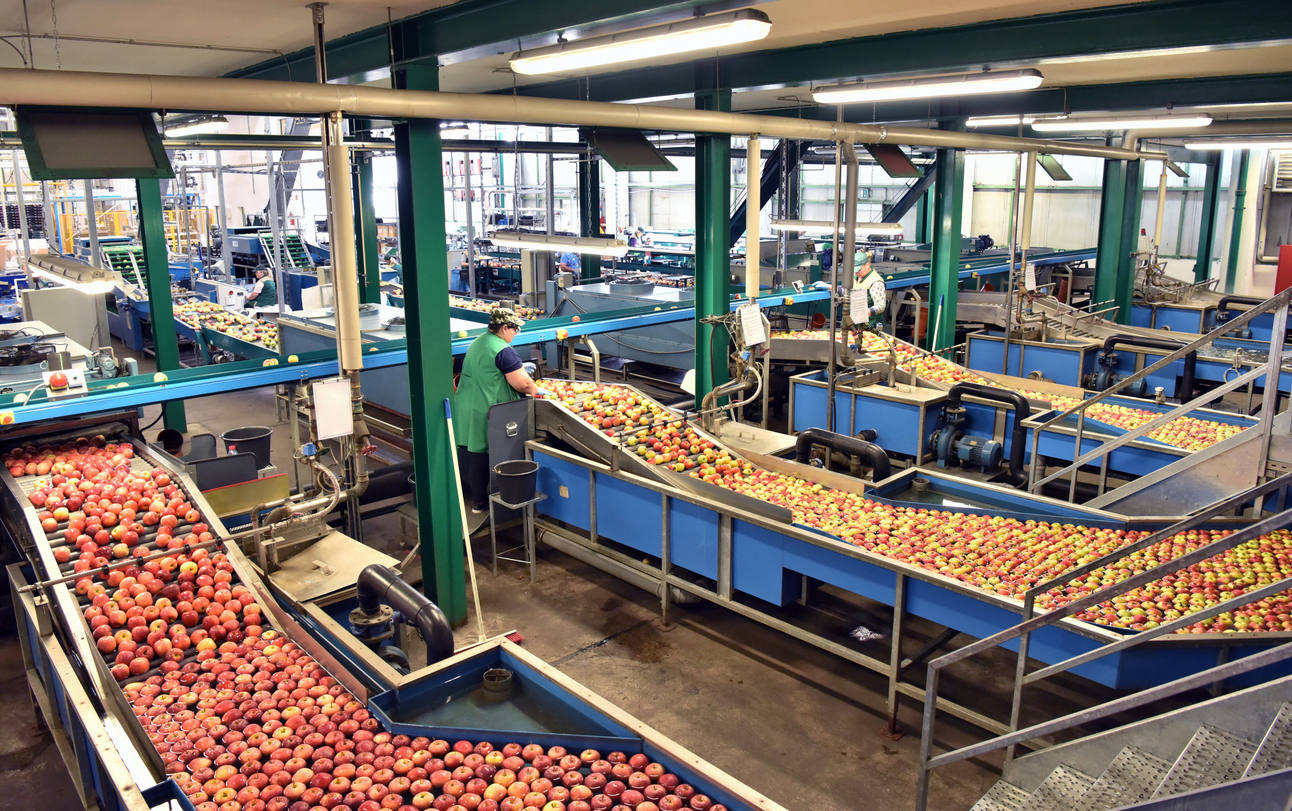
The UK market for PPE extends beyond healthcare. Construction firms, manufacturing plants, food processing companies, logistics providers, and retail operations all require reliable access to compliant protective equipment.
Wholesale distributors must manage fluctuating demand, regulatory updates, and competitive pricing pressures. Building a resilient supply chain is essential to maintaining consistent stock availability.
Strategic forecasting, diversified supplier networks, and reliable freight partners all contribute to long-term supply stability. Businesses that integrate sourcing, logistics, and compliance management into a single coordinated strategy are better positioned to compete effectively.
Conclusion
Managing a successful PPE import from China to UK requires more than identifying a low-cost supplier. Importers must ensure full regulatory compliance, accurate customs classification, quality assurance, and efficient logistics coordination.
By carefully verifying certifications, selecting appropriate freight solutions, and maintaining clear documentation, UK businesses can secure a stable supply of compliant PPE products. Working with experienced trade and logistics partners helps reduce operational risks and streamline the process from factory floor to UK distribution.
Wigmore Trading can help. Contact Wigmore Trading today to streamline your sourcing.





Comments are closed.