
Wholesale Food Delivery in Lagos: A Strategic Guide for Businesses

Lagos is one of Africa’s fastest-growing commercial hubs, with a dynamic food supply chain supporting restaurants, retailers, caterers, and institutional buyers. As demand continues to rise, wholesale food delivery in Lagos has become an essential service for businesses seeking reliability, cost efficiency, and consistent product quality.
This article explores how wholesale food delivery works in Lagos, key challenges in the sector, and how businesses can optimise their supply chains.
Understanding Wholesale Food Delivery in Lagos
Wholesale food delivery involves sourcing food products in bulk and transporting them directly to businesses such as supermarkets, hotels, restaurants, and food processors. In Lagos, this includes a wide range of products:
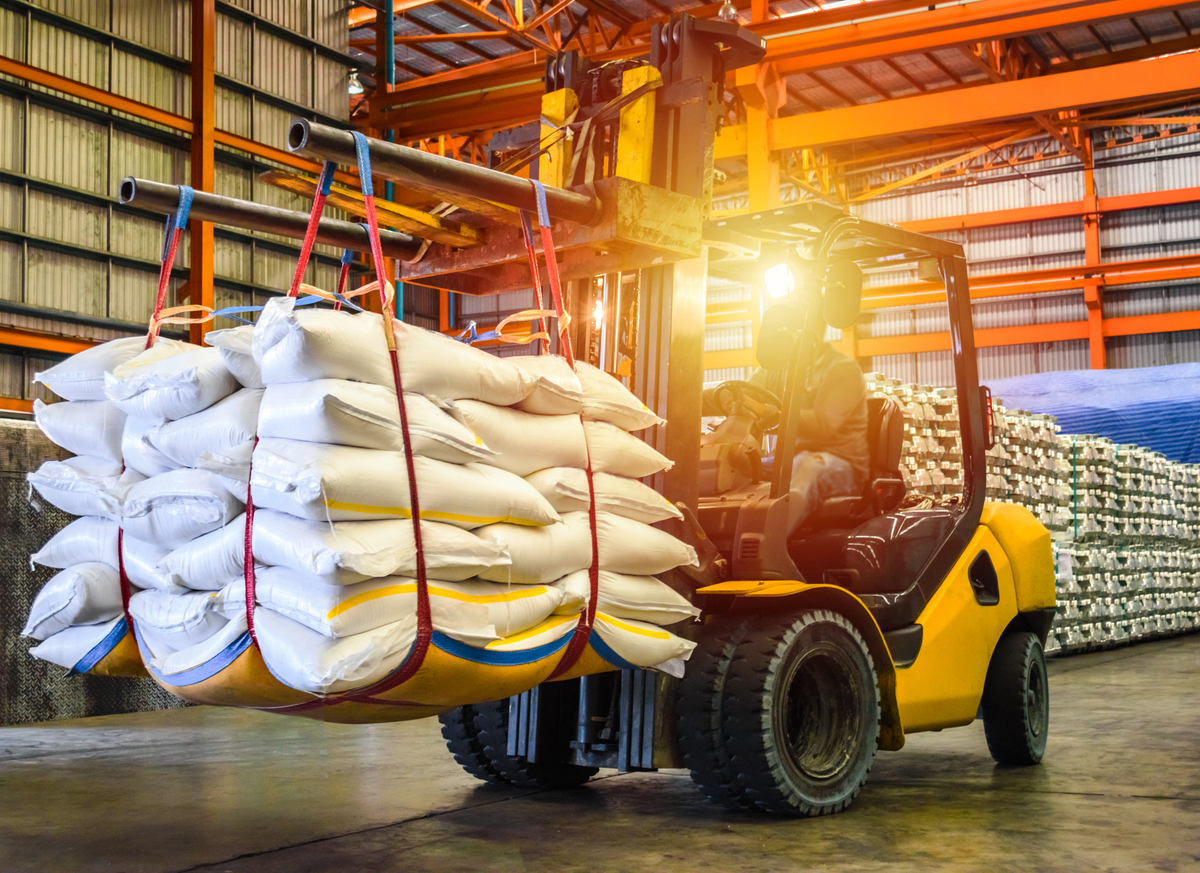
- Staple foods (rice, flour, grains)
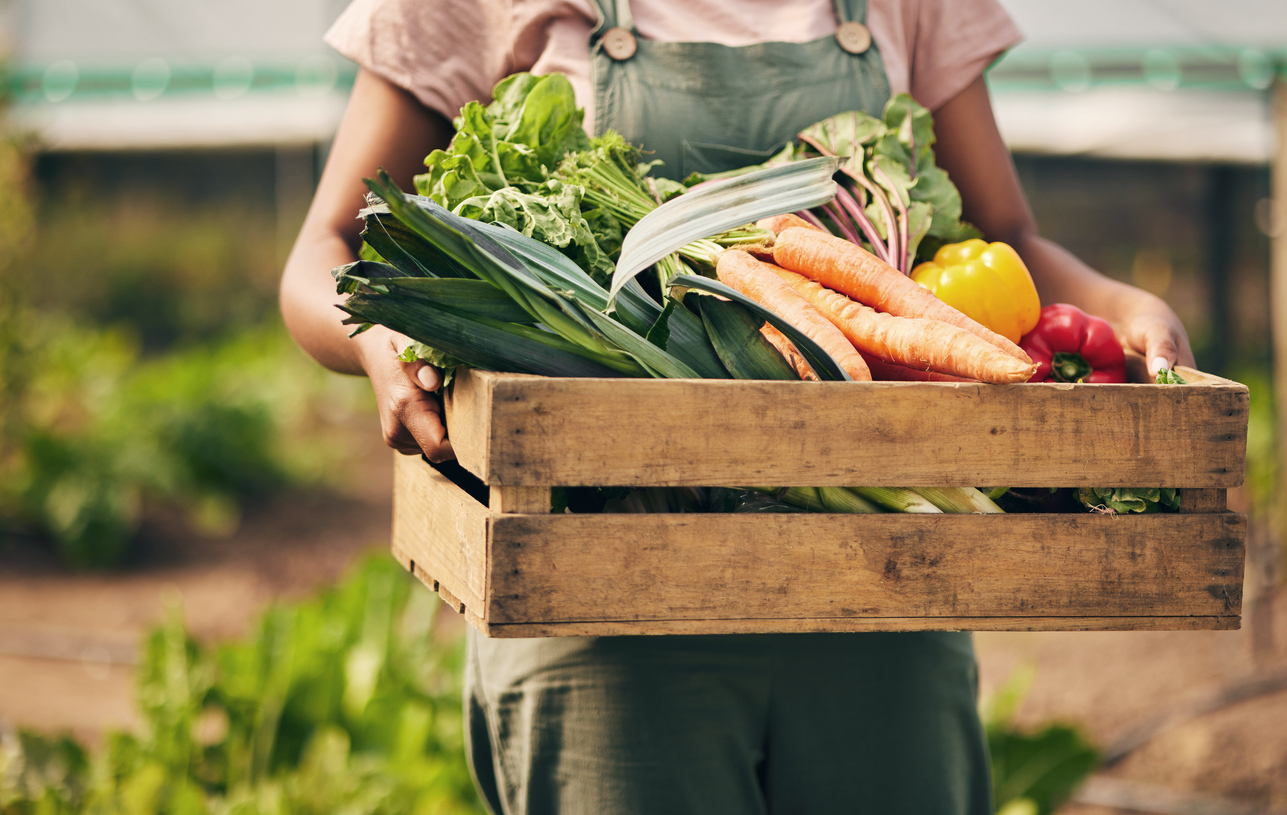
- Fresh produce (fruits and vegetables)
- Frozen foods (chicken, fish, seafood)
- Packaged FMCG goods
- Beverages and dairy products
Given Lagos’ population size and consumption patterns, efficient delivery systems are critical to maintaining supply continuity.
Why Businesses Rely on Wholesale Food Delivery
Cost Efficiency and Bulk Purchasing
Buying in bulk reduces unit costs and helps businesses maintain competitive pricing. Wholesale delivery services eliminate the need for multiple middlemen, improving margins.
Time and Operational Efficiency
Instead of sourcing from multiple markets, businesses can receive consolidated deliveries. This allows them to focus on core operations such as sales, food preparation, or customer service.
Consistent Supply
Reliable wholesale partners ensure steady inventory levels, which is essential for businesses that depend on daily stock availability.
Key Challenges in Wholesale Food Delivery in Lagos
1. Supply Chain Fragmentation
The food supply chain in Lagos is often fragmented, with multiple small-scale suppliers. This can lead to inconsistent quality and unreliable delivery schedules.
Solution: Partnering with structured distributors like Wigmore Trading helps streamline sourcing by consolidating suppliers and ensuring standardised quality.
2. Logistics and Traffic Constraints
Lagos is known for heavy traffic congestion, which can delay deliveries and affect perishable goods.
Solution: Efficient route planning, warehousing close to demand centres, and reliable logistics networks are critical. Wigmore Trading supports businesses with coordinated logistics and timely delivery systems.
3. Storage and Cold Chain Limitations
Perishable items such as frozen foods and fresh produce require proper storage conditions. Inadequate cold chain infrastructure can lead to spoilage.
Solution: Working with distributors that offer cold storage and temperature-controlled delivery ensures product integrity from source to destination.
4. Price Volatility
Food prices in Nigeria can fluctuate due to factors such as seasonality, currency changes, and import costs.
Solution: Establishing long-term supply agreements with wholesale partners helps stabilise pricing and reduce exposure to market volatility.
How to Choose the Right Wholesale Food Delivery Partner
Selecting the right partner is essential for operational success. Businesses should consider:
- Product range: Ability to supply diverse food categories
- Quality assurance: Consistent standards and compliance
- Logistics capability: Reliable and timely delivery
- Scalability: Capacity to grow with your business
- Market expertise: Understanding of local and international sourcing
Wigmore Trading supports businesses across Lagos by providing end-to-end solutions—from sourcing and importation to distribution and last-mile delivery—ensuring efficiency and reliability across the supply chain.
The Role of Technology in Food Distribution
Technology is increasingly shaping wholesale food delivery in Lagos. Businesses are adopting:
- Inventory management systems
- Order tracking platforms
- Data-driven demand forecasting
These tools improve transparency, reduce waste, and enhance decision-making. Distributors that integrate technology into their operations can offer better service levels and improved efficiency.
Opportunities in Lagos’ Food Supply Chain
The growing population and expanding hospitality sector present significant opportunities:
- Increased demand for imported and premium food products
- Expansion of quick-service restaurants and supermarkets
- Growth in e-commerce and on-demand food delivery
Businesses that establish strong wholesale partnerships are better positioned to capitalise on these trends.
Conclusion
Wholesale food delivery in Lagos is a critical component of the city’s commercial ecosystem. While challenges such as logistics, supply fragmentation, and price volatility exist, they can be effectively managed through strategic partnerships and efficient supply chain practices.
By working with experienced distributors, businesses can ensure consistent supply, maintain quality standards, and optimise operational efficiency.
Wigmore Trading can help. Contact Wigmore Trading today to streamline your sourcing.


Comments are closed.