
Wholesale Food Distributors in Nigeria: A Guide for Businesses


Nigeria’s food supply chain is one of the largest and most dynamic in Africa, driven by a growing population, urbanisation, and increasing demand for fast-moving consumer goods (FMCG). For retailers, restaurants, and bulk buyers, working with reliable wholesale food distributors in Nigeria is essential for maintaining consistent inventory, managing costs, and ensuring product quality.
This article explores how wholesale food distribution works in Nigeria, key challenges in the sector, and how businesses can build efficient supply chains.
Understanding Wholesale Food Distribution in Nigeria
Wholesale food distributors act as intermediaries between manufacturers, importers, and retailers. They purchase food products in bulk—either locally produced or imported—and supply them to businesses such as supermarkets, hotels, caterers, and open market traders.
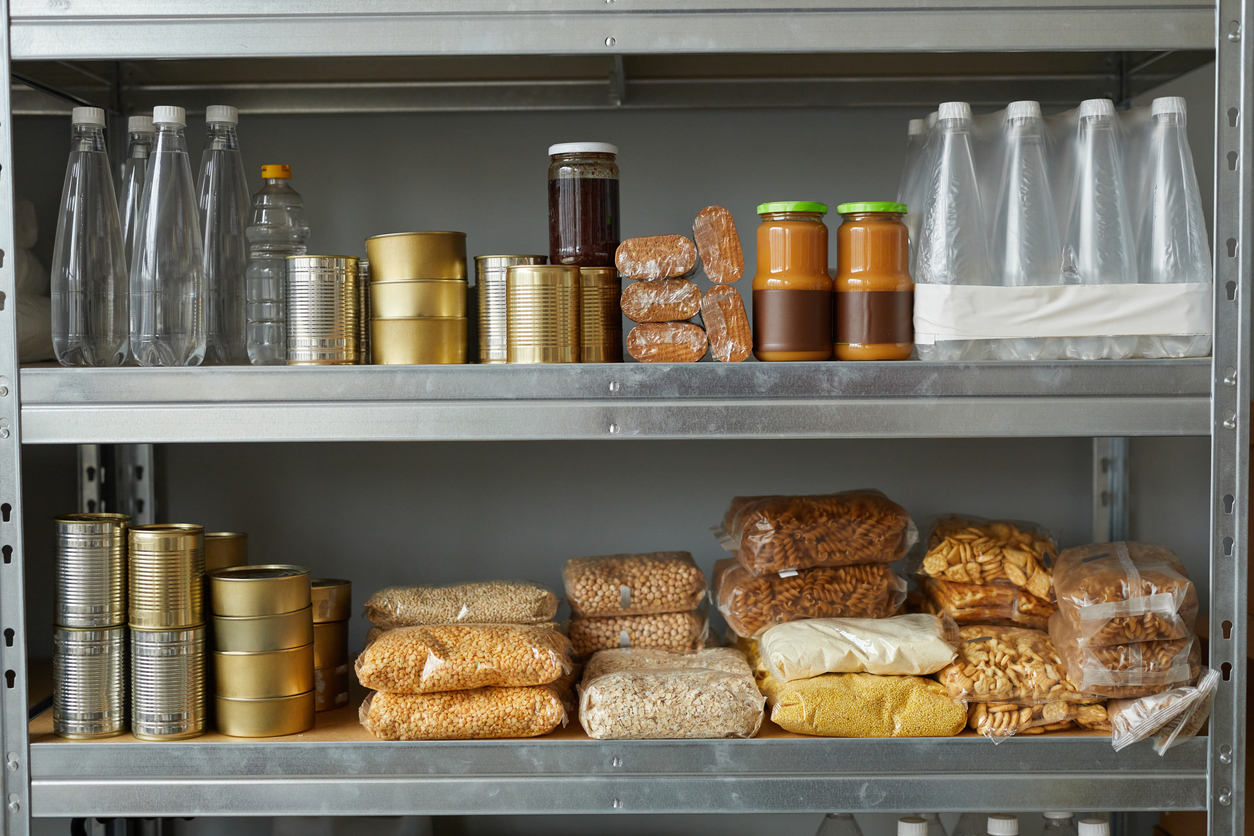
Products commonly handled include:
- Packaged foods (rice, pasta, flour)
- Beverages and dairy products
- Frozen foods and proteins
- Cooking oils and condiments
In Nigeria, distribution networks often combine formal logistics systems with informal market channels, making reliability and coordination critical.
Key Factors When Choosing Wholesale Food Distributors in Nigeria
Selecting the right distributor can significantly impact business performance. Here are the most important considerations:
1. Product Availability and Range
A strong distributor should offer a wide range of food products, including both local and imported goods. This ensures businesses can source multiple items from a single supplier, reducing procurement complexity.
2. Pricing and Bulk Efficiency
Competitive pricing is a major advantage of working with wholesalers. Businesses should look for distributors with transparent pricing structures and the ability to offer discounts on large-volume purchases.
3. Supply Consistency
Stock shortages can disrupt operations. Reliable distributors maintain consistent inventory levels and have contingency plans to handle supply disruptions.
4. Logistics and Delivery Capability
Efficient transportation and warehousing systems are essential, particularly in a country where infrastructure challenges can affect delivery timelines.
5. Regulatory Compliance
Food safety and import regulations must be strictly followed. Distributors should comply with standards set by agencies such as NAFDAC and SON.
Challenges Facing Wholesale Food Distribution in Nigeria
Despite its growth potential, the sector faces several operational challenges:
Infrastructure and Transportation Issues
Poor road networks and traffic congestion can delay deliveries and increase logistics costs.
Currency Fluctuations
Many food products are imported, making prices sensitive to exchange rate volatility.
Storage and Preservation
Maintaining quality, especially for perishable goods, requires reliable cold chain infrastructure, which is still developing in many regions.
Fragmented Supply Chains
The mix of informal and formal distribution channels can lead to inefficiencies, inconsistent pricing, and limited traceability.
How Businesses Can Overcome Distribution Challenges
To operate successfully, businesses must adopt strategic approaches to sourcing and logistics:
- Partner with established distributors that have proven logistics capabilities
- Consolidate suppliers to reduce complexity and improve negotiation power
- Plan inventory proactively to avoid stockouts
- Leverage technology for tracking shipments and managing supply chains
Working with experienced partners can significantly reduce operational risks and improve efficiency.
The Role of Wigmore Trading in Food Distribution
Navigating the landscape of wholesale food distributors in Nigeria requires expertise in sourcing, logistics, and compliance. Wigmore Trading supports businesses by providing end-to-end solutions across the supply chain.
These services include:
- Sourcing high-quality food products from trusted global and local suppliers
- Managing import processes and regulatory compliance
- Coordinating logistics, warehousing, and last-mile delivery
- Ensuring consistent product availability for wholesale buyers
By integrating procurement and distribution services, Wigmore Trading helps businesses streamline operations and maintain reliable supply chains in a complex market environment.
Conclusion
Wholesale food distribution plays a critical role in Nigeria’s economy, connecting producers and importers with businesses across the country. While the sector presents challenges such as infrastructure limitations and price volatility, these can be managed through strategic partnerships and efficient logistics planning.
For businesses looking to scale, choosing the right distributor is essential for ensuring product availability, maintaining quality, and controlling costs. Wigmore Trading can help. Contact Wigmore Trading today to streamline your sourcing.



Comments are closed.