
Wholesale Grocery Sourcing in Nigeria: A Practical Guide for Businesses

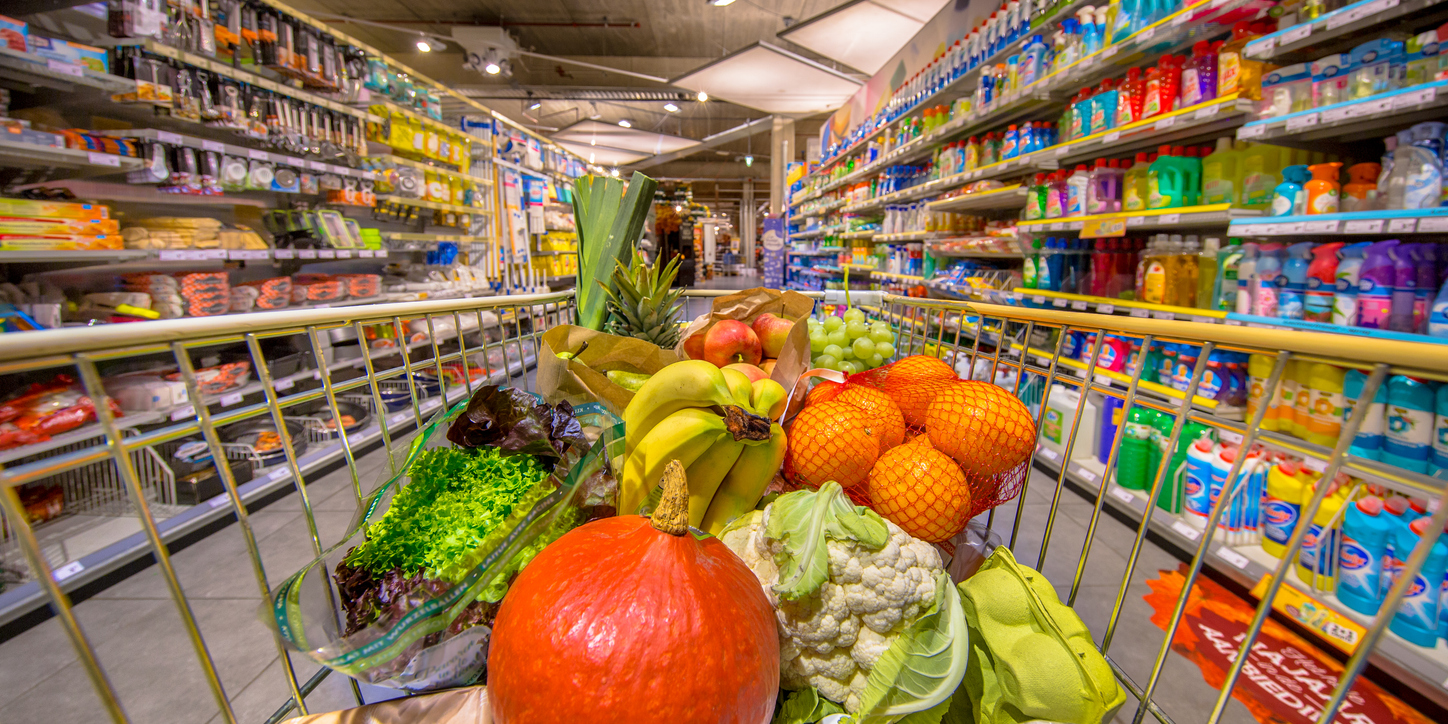
Nigeria’s fast-growing population and expanding retail sector have created strong demand for efficient grocery supply chains. For wholesalers, retailers, and distributors, wholesale grocery sourcing in Nigeria is a critical part of maintaining consistent stock levels, competitive pricing, and product quality. However, sourcing at scale in Nigeria comes with unique challenges, from supplier reliability to logistics and regulatory compliance.
This guide outlines how businesses can navigate wholesale grocery sourcing effectively while building a resilient supply chain.
Understanding the Wholesale Grocery Market in Nigeria
Nigeria’s grocery market is driven by a mix of local production and imported goods. Staples such as rice, flour, sugar, beverages, and packaged foods dominate wholesale demand. Urban centres like Lagos, Abuja, and Port Harcourt serve as key distribution hubs, while informal markets still play a major role in supply chains.
For businesses, the key considerations include:
- Consistent product availability
- Competitive wholesale pricing
- Supplier credibility
- Efficient transportation and storage
A structured sourcing strategy helps mitigate risks and ensures long-term profitability.
Key Challenges in Wholesale Grocery Sourcing in Nigeria
1. Supplier Reliability and Quality Control
Many businesses struggle with inconsistent suppliers. Variations in product quality, delayed deliveries, or sudden price changes can disrupt operations.
Solution: Work with verified suppliers or sourcing partners who conduct due diligence and quality checks. Establishing long-term supplier relationships also improves reliability.
2. Price Volatility
Food prices in Nigeria can fluctuate due to exchange rates, inflation, and seasonal production cycles. This makes it difficult for wholesalers to maintain stable margins.
Solution: Bulk purchasing, forward planning, and diversified sourcing (local and international) can help manage cost fluctuations.
3. Logistics and Distribution Constraints
Poor road infrastructure, port congestion, and inefficient warehousing can delay deliveries and increase costs.
Solution: Efficient logistics planning and partnerships with experienced distribution providers are essential. Businesses should also consider centralized warehousing to streamline operations.
4. Regulatory Compliance
Imported grocery products must comply with Nigerian regulations, including NAFDAC approvals and customs documentation.
Solution: Ensure all products meet regulatory standards before importation. Working with experienced trade partners reduces the risk of delays or penalties.
Best Practices for Wholesale Grocery Sourcing in Nigeria
Build Strong Supplier Networks
Successful sourcing depends on reliable supplier relationships. Businesses should:
- Vet suppliers thoroughly
- Request product samples
- Negotiate clear terms and contracts
Partnering with established sourcing companies can simplify this process and reduce risk.
Leverage Bulk Purchasing
Buying in bulk lowers per-unit costs and ensures product availability. It also strengthens negotiating power with suppliers.
Optimize Inventory Management
Maintaining the right inventory levels prevents stockouts and reduces waste. Use demand forecasting and inventory tracking systems to improve efficiency.
Diversify Supply Sources
Relying on a single supplier or region increases risk. Combining local sourcing with imports ensures supply continuity, especially during shortages.
The Role of Logistics in Grocery Distribution
Efficient logistics is central to wholesale grocery sourcing in Nigeria. From port clearance to last-mile delivery, each stage affects cost and product quality.
Key logistics considerations include:
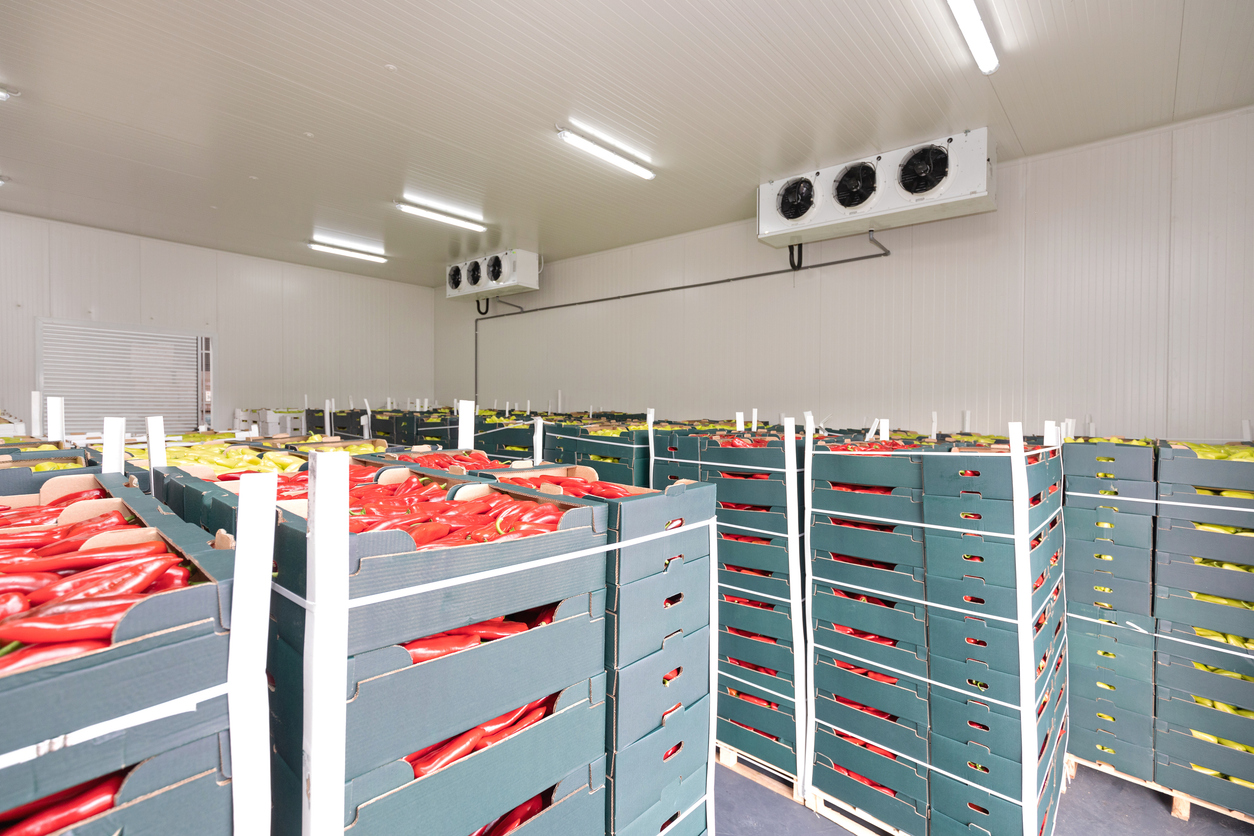
- Temperature-controlled transport for perishables
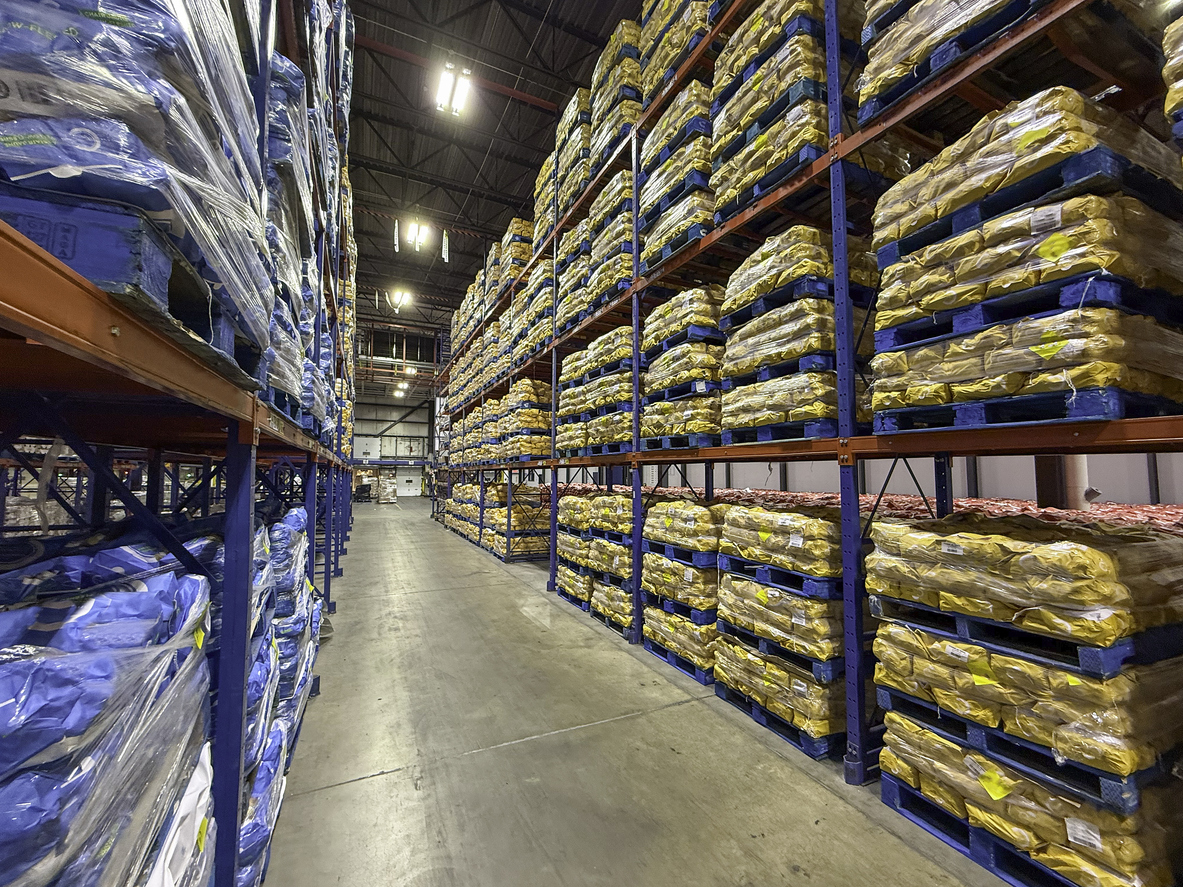
- Secure warehousing facilities
- Timely customs clearance for imports
Delays or inefficiencies in logistics can quickly erode profit margins, making it essential to work with experienced logistics providers.
How Wigmore Trading Supports Wholesale Grocery Sourcing
For businesses navigating wholesale grocery sourcing in Nigeria, working with a reliable partner can significantly reduce complexity. Wigmore Trading provides end-to-end support across sourcing, importation, and distribution.
Services include:
- Supplier sourcing and verification
- Bulk procurement of grocery products
- Import and export logistics management
- Customs clearance and regulatory compliance
- Warehousing and nationwide distribution
By integrating these services, businesses can focus on growth while ensuring consistent supply and operational efficiency.
Conclusion
Wholesale grocery sourcing in Nigeria offers significant opportunities, but it requires careful planning, reliable partnerships, and efficient logistics. Businesses that invest in strong supplier networks, diversify sourcing strategies, and optimize distribution processes are better positioned to succeed in a competitive market.
With the right approach and support, companies can overcome sourcing challenges and build a resilient supply chain.
Wigmore Trading can help. Contact Wigmore Trading today to streamline your sourcing.




Comments are closed.