
Buy and export Measuring Instruments from China with Wigmore Trading

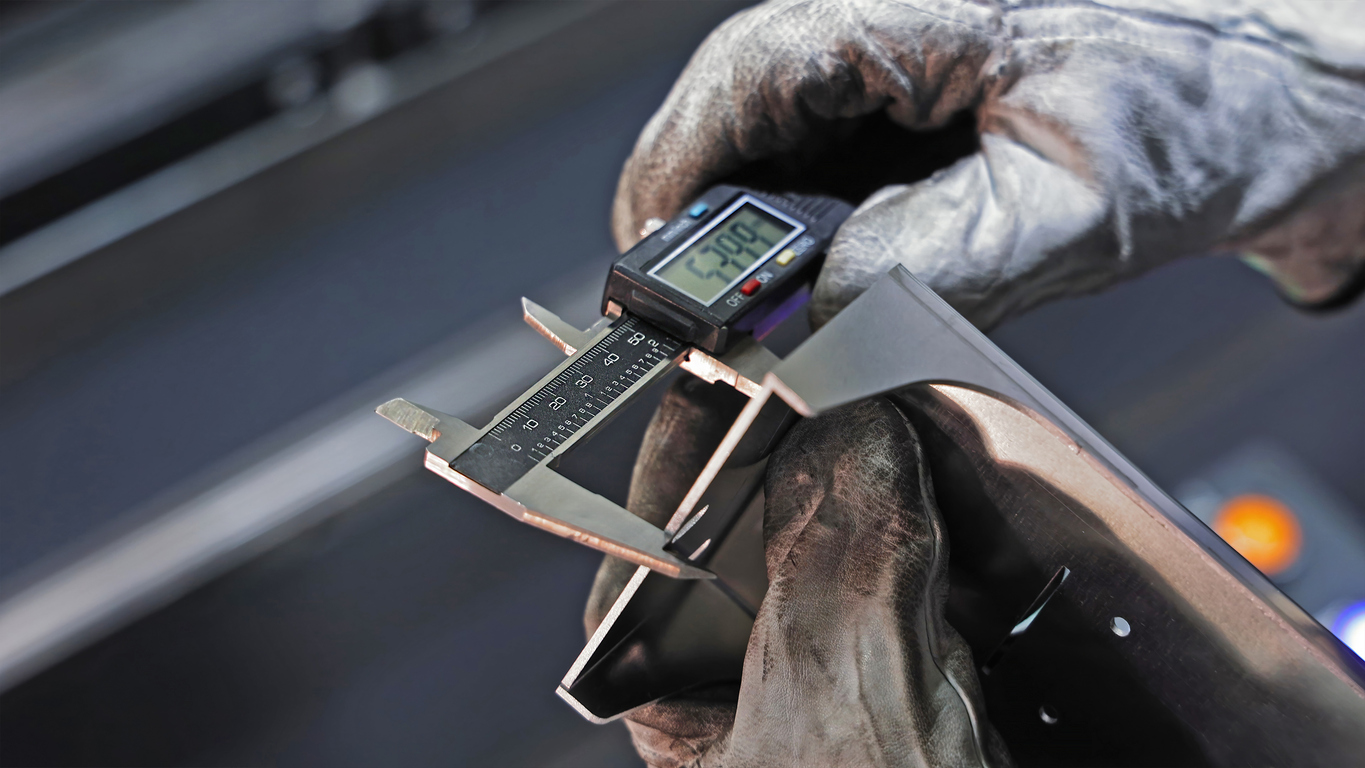
Buying from China is one of the most cost-effective ways to export Other Measuring Instruments from Asia into Africa, the UK, EU and other markets. But with technical products like gauges, meters and test equipment, you can’t afford mistakes on quality, standards or paperwork.
This guide explains how to buy and export Other Measuring Instruments from China with Wigmore Trading, so your shipments clear customs smoothly and arrive ready to sell.
Why source Other Measuring Instruments from China?
China is a major production hub for:
-
Flow meters and level gauges
-
Electrical measuring instruments (multimeters, clamp meters, power analyzers)
-
Dimensional tools (calipers, micrometers, gauges)
-
Laboratory and industrial measuring equipment
Key advantages:
-
Competitive pricing: Chinese factories can supply both OEM equipment and well-known brands such as Fluke-compatible, Mitutoyo-style or Bosch-compatible tools at attractive price points.
-
Wide product range: From basic mechanical gauges to advanced digital instruments with data logging and wireless connectivity.
-
Scalability: Easy to scale from trial orders to full container loads once you’ve verified quality.
Wigmore Trading works with manufacturers and export agents to match your technical requirements and budget, so you don’t have to spend months searching supplier marketplaces on your own.
Step 1: Classify your measuring instruments correctly
Accurate product classification is the foundation of a smooth export.
-
Identify the correct HS/commodity code:
Instruments and measuring tools typically fall under HS Chapter 90 (optical, measuring and medical instruments). Different codes apply to dimensional tools, electrical measuring instruments, flow meters and other devices. -
Match code to actual use and specification:
Whether the instrument measures length, pressure, electrical quantities or flow will change the tariff code and sometimes the import controls.
Getting the classification wrong can lead to delays, fines or the wrong duty rate. Wigmore Trading can help you check proposed HS codes with your customs broker or local authority before you buy.
Step 2: Check export controls and technical standards
Some measuring instruments are considered high-tech or dual-use, especially where they are used in scientific, aerospace or defence applications. China may require additional export licences for these products.
On the import side, your market may require:
-
CE marking for instruments sold in the European Economic Area and the UK to confirm health, safety and environmental compliance.
-
National standards (for example, calibration and metrology rules from local standards bodies).
-
Electrical safety and EMC tests for powered devices.
Wigmore Trading can coordinate with factories and test labs to confirm what certificates, test reports or declarations you’ll need before shipping.
Step 3: Prepare the right export and import documents
At a minimum, expect to prepare:
-
Commercial invoice with clear product descriptions and HS codes
-
Packing list
-
Contract and purchase order
-
Customs declaration with accurate values and quantities
-
Certificate of Origin if your buyer needs preferential duty rates or proof of Chinese origin
For some destinations you may also need:
-
Calibration certificates
-
Test and inspection reports
-
Insurance policy documents
Wigmore Trading can help gather these documents from the factory, check them for consistency and share them with your customs broker or clearing agent before the goods depart.
Step 4: Choose the best logistics solution from China
Your choice depends on urgency, volume and budget:
-
LCL or FCL sea freight
-
Best for bulk orders and regular shipments.
-
Lower cost per unit but longer transit time.
-
-
Air freight or courier
-
Suitable for urgent orders, pilot projects or high-value instruments in smaller quantities.
-
-
Consolidation with other goods
-
Combine measuring instruments with other equipment or FMCG products shipped via Wigmore Trading to optimise container space and freight costs.
-
Wigmore Trading works with established logistics partners to arrange pick-up from Chinese factories, consolidation, export customs clearance and delivery to major ports and airports across Africa, Europe and beyond. Wigmore Trading can help.
Step 5: Manage quality, calibration and after-sales
Measuring instruments must be reliable. Weak quality control can cost more than any savings on price.
Practical steps:
-
Pre-shipment inspection: Verify quantities, visual quality, serial numbers and basic operation of instruments before loading.
-
Calibration certificates: For lab and industrial equipment, request up-to-date calibration certificates from accredited labs where required.
-
Spare parts and accessories: Include probes, leads, clamps, batteries, manuals and replacement parts in your sourcing plan.
-
Warranty and returns: Agree clear terms for defective units and after-sales support with the supplier before you place orders.
Wigmore Trading can coordinate inspections, negotiate warranty clauses and ensure that your shipment arrives complete and ready for sale to your industrial, construction, utilities or retail customers.
Why partner with Wigmore Trading for Chinese measuring instruments?
Working with Wigmore Trading helps you:
-
Save time on supplier search and negotiation
-
Reduce risk through better classification, compliance and documentation
-
Optimise landed cost via smarter consolidation and freight choices
-
Focus on your market while Wigmore Trading handles day-to-day sourcing and logistics
Whether you’re supplying test equipment to engineers, selling measuring tools through retail channels, or equipping a factory or lab, Wigmore Trading can help you build a reliable, repeatable supply chain from China.
Contact Wigmore Trading today to streamline your sourcing of Other Measuring Instruments from China and keep your projects, clients and operations running accurately and on time.






Comments are closed.