
Regasification in Nigeria: A Key to Energy Transformation
Talk to us about this service
Trade, import, logistics, sourcing — whatever you're planning, the fastest way to a quote is a WhatsApp message. Our team replies during Lagos business hours.
WhatsApp usYour message tells us which page you came from
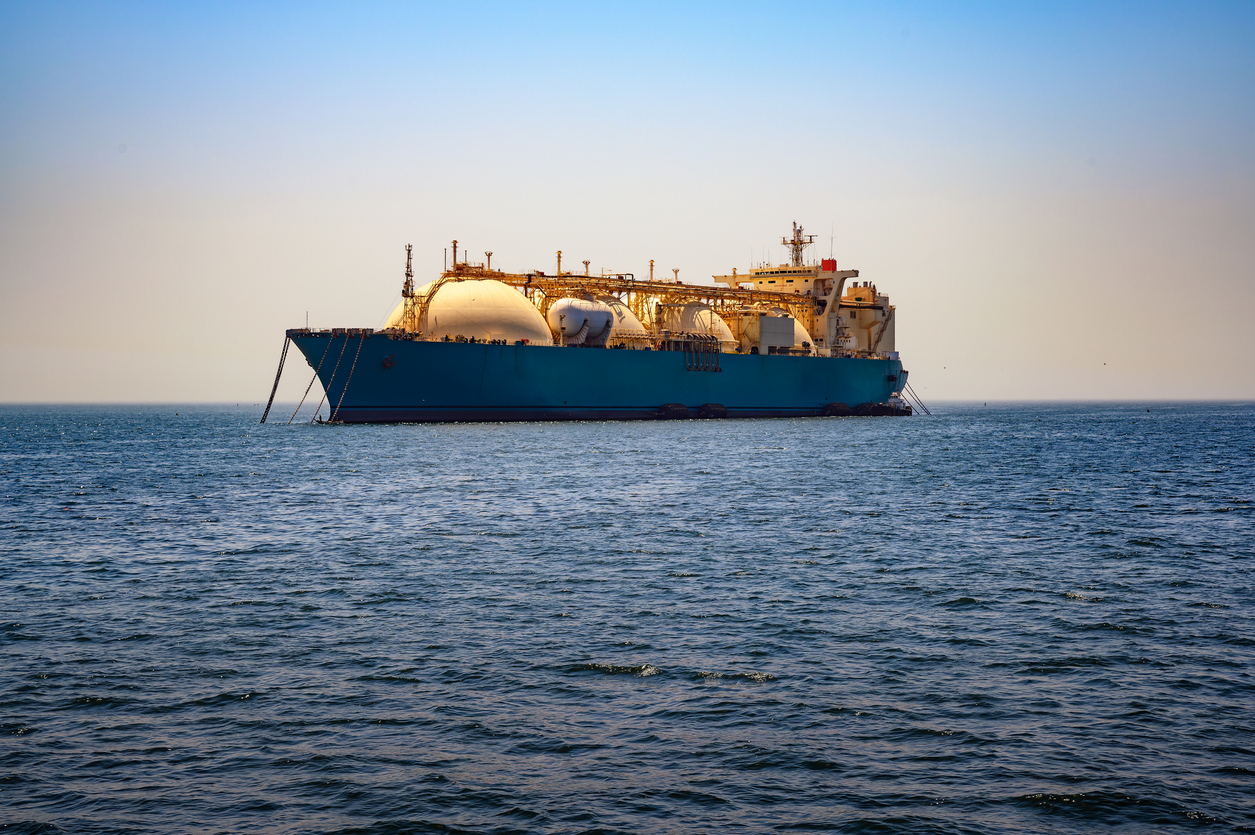
Regasification plays a pivotal role in Nigeria’s energy sector by converting liquefied natural gas (LNG) back into its gaseous state for distribution and use. As a major producer of LNG, Nigeria is strategically positioned to leverage regasification technology to meet domestic energy demands and strengthen its position in global energy markets.
This article explores the importance of regasification in Nigeria, the country’s infrastructure, current projects, and potential benefits.
What is Regasification?
Regasification is the process of converting LNG, which has been cooled to a liquid state for efficient transport, back into its gaseous state. This process is essential for distributing natural gas through pipelines or utilizing it directly for power generation, industrial processes, or as a fuel source.
Nigeria’s LNG and Regasification Landscape
Key Players in LNG Production
Nigeria is one of the largest producers of LNG in the world, with the Nigeria LNG Limited (NLNG) facility in Bonny Island as its primary hub. This facility processes and exports LNG to global markets. However, the country has historically focused on exports, with limited infrastructure for domestic gas utilization.
Emergence of Regasification Terminals
To address domestic energy needs and improve access to natural gas, Nigeria is developing regasification infrastructure. These terminals are designed to receive LNG shipments and regasify them for local distribution.
Major Regasification Projects in Nigeria
- Ajaokuta-Kaduna-Kano (AKK) Gas Pipeline Project
While not a regasification project itself, this major pipeline will benefit from regasified LNG by distributing it across key regions in Nigeria. The AKK pipeline is set to transform gas utilization in the country. - Floating Regasification Units (FRUs)
Nigeria is exploring the deployment of floating regasification units, particularly in coastal regions. These units allow flexibility and scalability, enabling quick access to regasified LNG without the need for extensive onshore infrastructure. - Bonny Island Regasification Expansion
Plans are underway to expand LNG regasification capabilities near Bonny Island to complement its production activities, ensuring more gas is available for local power generation and industrial use.
Benefits of Regasification in Nigeria
- Energy Security
Regasification allows Nigeria to tap into its LNG reserves for domestic energy needs, reducing reliance on imported fuels and fostering energy independence. - Power Generation
Regasified LNG can be used to fuel power plants, helping Nigeria address its persistent electricity shortages and providing cleaner alternatives to diesel or coal. - Industrial Development
Industries such as cement, steel, and petrochemicals rely on natural gas as a fuel source. Regasification supports the availability of gas for these sectors, driving economic growth. - Reduced Gas Flaring
By maximizing the use of LNG for domestic purposes, regasification helps reduce gas flaring, aligning with Nigeria’s commitment to environmental sustainability.
Challenges Facing Regasification in Nigeria
- Infrastructure Gaps
Despite significant natural gas reserves, Nigeria lacks sufficient regasification terminals and associated pipelines for widespread distribution. - Regulatory Hurdles
Complex regulatory frameworks and delays in policy implementation hinder the development of regasification infrastructure. - Funding Constraints
Developing regasification plants and pipelines requires substantial investment, which has been slow due to economic challenges.
Wigmore Trading’s Role in Nigeria’s LNG Ecosystem
Wigmore Trading supports Nigeria’s energy transformation by connecting businesses with LNG solutions, including regasification services.
What Wigmore Trading Offers:
- Expertise in LNG logistics and supply chain management.
- Connections to reliable partners for regasification and distribution.
- Streamlined processes for businesses seeking to access regasified natural gas for industrial use.
With its comprehensive approach to energy trading and logistics, Wigmore Trading helps businesses optimize their use of natural gas resources in Nigeria.
Future Outlook for Regasification in Nigeria
As Nigeria continues to invest in gas infrastructure and regulatory reforms, regasification is set to play a critical role in the country’s energy landscape. Expanding regasification capacity will not only improve domestic gas utilization but also support Nigeria’s ambitions to become a regional hub for natural gas.



Comments are closed.