
Retrofitting Buildings for Energy Savings in Cuba: Practical Strategies for Sustainable Efficiency

Talk to us about this service
Trade, import, logistics, sourcing — whatever you're planning, the fastest way to a quote is a WhatsApp message. Our team replies during Lagos business hours.
WhatsApp usYour message tells us which page you came from
As Cuba continues to modernise its infrastructure, improving energy efficiency in existing buildings has become a critical priority. With many structures built decades ago and operating under outdated systems, retrofitting buildings for energy savings in Cuba offers a cost-effective way to reduce energy consumption, lower operational costs, and improve sustainability.
For businesses, property owners, and investors, understanding how to approach retrofitting projects in Cuba can unlock long-term value while addressing energy constraints across the island.
Why Energy Retrofitting Matters in Cuba
Cuba’s building stock largely consists of older residential, commercial, and industrial properties that were not designed with modern energy efficiency standards. This creates several challenges:
- High energy consumption due to inefficient systems
- Dependence on imported fuel sources
- Rising maintenance and operating costs
- Limited resilience to climate conditions
Retrofitting provides a practical solution by upgrading existing structures rather than replacing them entirely. This approach is particularly relevant in Cuba, where preserving infrastructure while improving performance is often more feasible than new construction.
Key Areas for Retrofitting Buildings for Energy Savings in Cuba
Effective retrofitting focuses on targeted upgrades that deliver measurable improvements. The most impactful areas include:
1. Building Envelope Improvements
Enhancing insulation, sealing air leaks, and upgrading windows can significantly reduce energy loss. In Cuba’s tropical climate, improving thermal performance helps reduce the need for constant cooling.
Common measures include:
- Installing reflective roofing materials
- Adding wall insulation where feasible
- Replacing or sealing inefficient windows
2. Efficient Cooling and Ventilation Systems
Cooling accounts for a large portion of energy use in Cuban buildings. Retrofitting outdated air conditioning systems with energy-efficient alternatives can yield immediate savings.
Options include:
- High-efficiency HVAC systems
- Natural ventilation design improvements
- Ceiling fans to reduce reliance on air conditioning
3. Lighting Upgrades
Switching from traditional lighting to LED systems is one of the simplest and most cost-effective retrofits.
Benefits include:
- Lower electricity consumption
- Longer lifespan of fixtures
- Reduced maintenance costs
4. Renewable Energy Integration
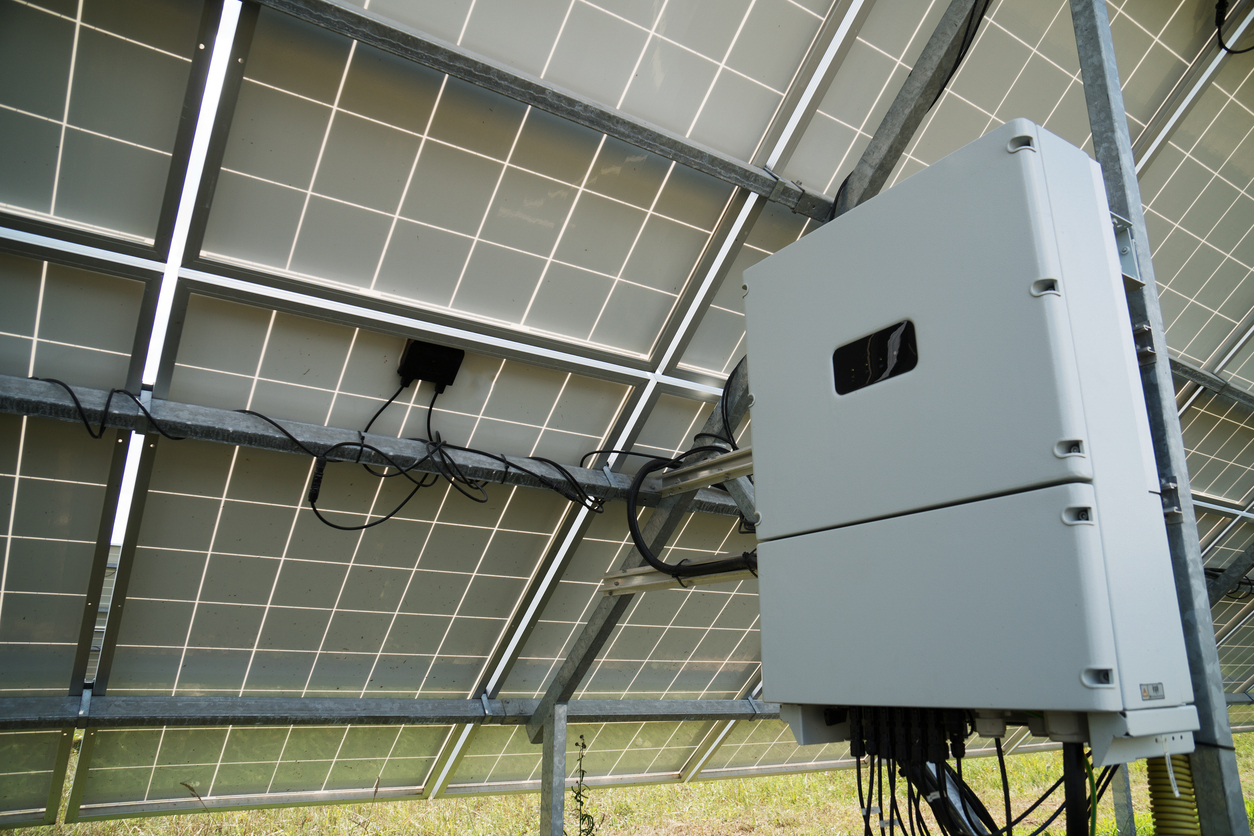
Incorporating solar energy systems is increasingly viable in Cuba due to abundant sunlight. Retrofitting buildings with solar panels can reduce grid dependency and stabilise energy costs.
5. Water and Energy Efficiency Systems
Upgrading water heating systems and installing efficient plumbing fixtures can also reduce energy demand, particularly in hospitality and industrial facilities.
Challenges in Retrofitting Projects
Despite the clear benefits, retrofitting buildings in Cuba presents several challenges:
- Limited access to modern materials and equipment
- Complex import regulations
- Logistics constraints in transporting goods
- Skilled labour shortages for specialised installations
These challenges can delay projects or increase costs if not properly managed.
Supply Chain and Logistics Considerations
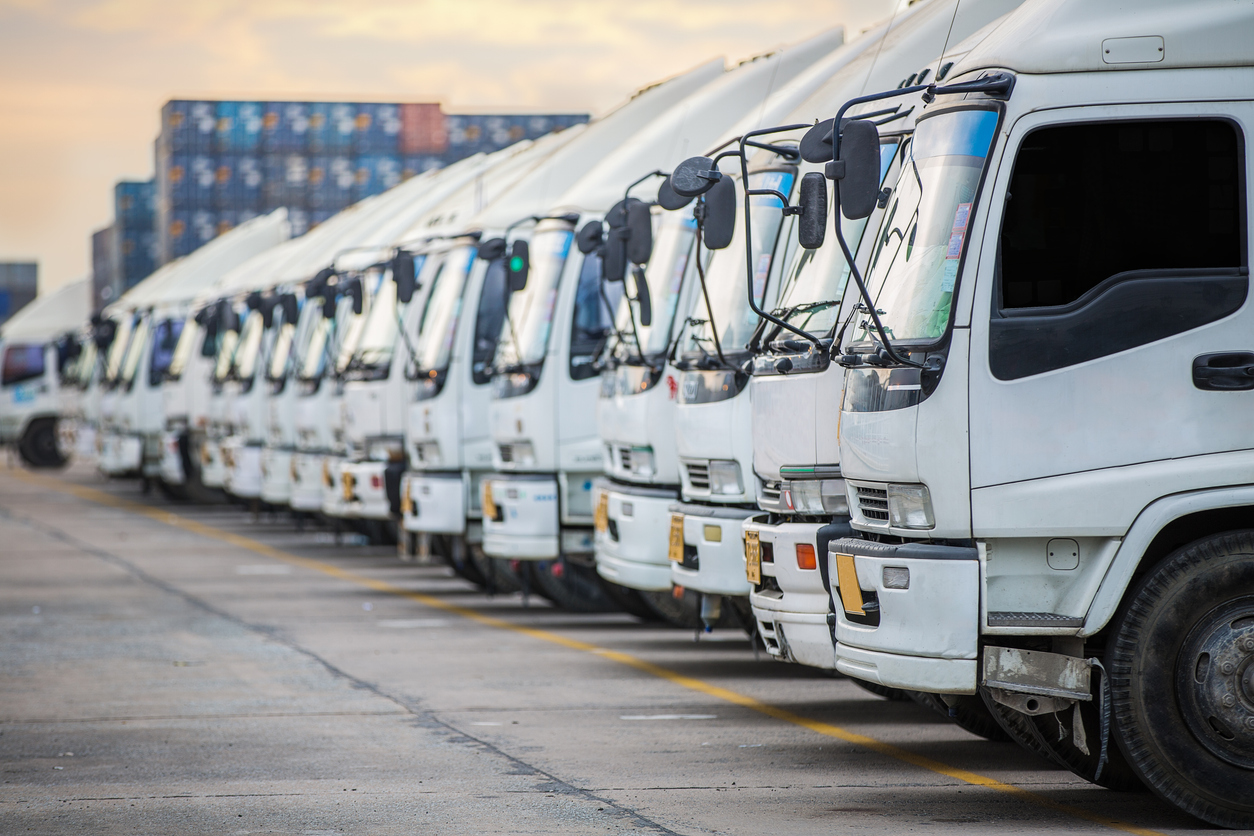
Successful retrofitting projects depend heavily on reliable sourcing and logistics. Importing energy-efficient equipment, such as HVAC systems, insulation materials, or solar components, requires careful coordination.
Key considerations include:
- Compliance with Cuban import regulations
- Supplier reliability and product quality
- Efficient shipping and customs clearance
- Storage and distribution within Cuba
Working with an experienced trade partner can help navigate these complexities and ensure timely delivery of materials.
How Wigmore Trading Supports Retrofitting Projects
For businesses and developers undertaking retrofitting projects in Cuba, having a trusted sourcing and logistics partner is essential.
Wigmore Trading supports clients by:
- Sourcing high-quality energy-efficient materials and equipment
- Managing international procurement and supplier relationships
- Handling shipping, customs clearance, and documentation
- Coordinating distribution across challenging logistics environments
By streamlining the supply chain, Wigmore Trading helps reduce delays and ensures that retrofitting projects remain on schedule and within budget.
Practical Steps to Start a Retrofitting Project
To successfully implement a retrofitting strategy in Cuba, businesses should follow a structured approach:
- Conduct an energy audit to identify inefficiencies
- Prioritise upgrades based on cost-benefit analysis
- Source reliable materials and technologies
- Plan logistics and compliance requirements early
- Partner with experienced trade and supply chain specialists
This method ensures that investments deliver measurable energy savings while minimising risks.
Conclusion
Retrofitting buildings for energy savings in Cuba is not just an environmental initiative—it is a practical business strategy. By upgrading existing infrastructure, organisations can reduce energy costs, improve operational efficiency, and enhance long-term sustainability.
However, success depends on careful planning, access to quality materials, and efficient logistics. With the right approach and support, retrofitting projects can deliver significant value across Cuba’s commercial and industrial sectors.
Wigmore Trading can help. Contact Wigmore Trading today to streamline your sourcing.
No Comments Yet.


Comments are closed.