
How to Become a Sachet Water Distributor in Nigeria
Talk to us about this service
Trade, import, logistics, sourcing — whatever you're planning, the fastest way to a quote is a WhatsApp message. Our team replies during Lagos business hours.
WhatsApp usYour message tells us which page you came from
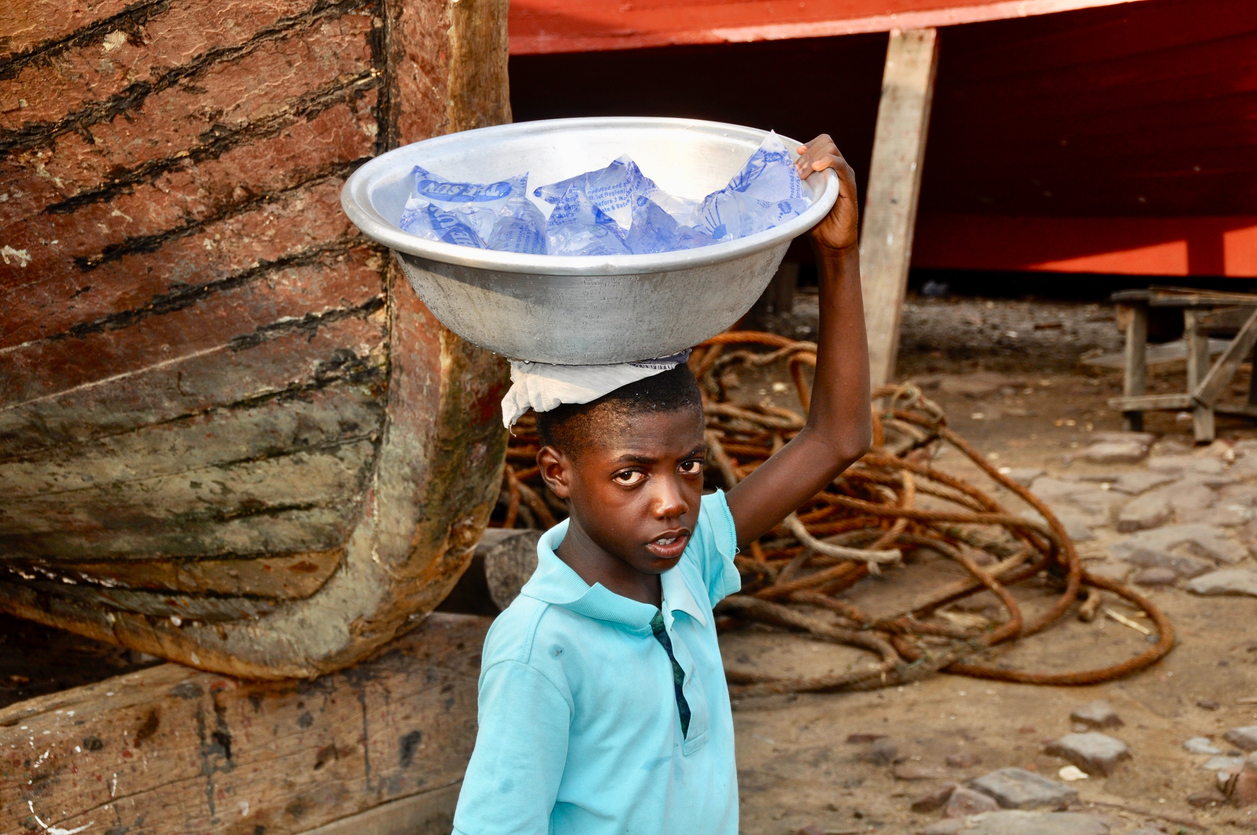
Sachet water remains one of the fastest-moving consumer goods in Nigeria because demand cuts across homes, schools, offices, markets, construction sites, transport parks, events, and small retailers. For entrepreneurs searching for how to become a sachet water distributor in Nigeria, the opportunity is real — but it is not as simple as buying bags of water and reselling them.
A profitable sachet water distribution business depends on reliable sourcing, fast turnover, smart delivery planning, consistent product quality, and the ability to manage small margins at scale. This guide explains what new distributors should understand before entering the market and how to build a more dependable supply operation.
Understanding the Sachet Water Distribution Market in Nigeria
Sachet water is a volume-driven business. Customers buy frequently, retailers restock quickly, and demand often increases during hot weather, dry season, power outages, public events, and periods when access to clean water becomes difficult.
The main buyers typically include:
- Street vendors and kiosk owners
- Restaurants, canteens, and food sellers
- Schools and offices
- Event planners
- Supermarkets and mini-marts
- Market traders
- Construction sites and small factories
Because the product is low-cost and high-volume, profit depends heavily on how efficiently you buy, transport, store, and resell. A distributor who controls delivery costs and avoids stock damage will usually perform better than one who only focuses on price.
What You Need Before Starting as a Sachet Water Distributor
Before becoming a sachet water distributor in Nigeria, you should prepare the basic business setup. This does not need to be overly complex at the beginning, but it must be practical.
You will need:
- A reliable sachet water producer or supplier
The factory must produce clean, sealed, well-packaged sachet water with consistent availability. - Storage space
Sachet water should be stored in a clean, shaded area away from direct sunlight, chemicals, dust, and rough handling. - Delivery arrangement
Depending on your scale, this could be a wheelbarrow, tricycle, mini truck, van, or larger delivery vehicle. - Working capital
You need enough cash to buy stock, pay transport costs, manage credit sales, and restock before customers fully pay. - A defined sales route
Targeting random buyers is less effective than building regular routes around schools, markets, shops, bus stops, and food vending clusters.
Choosing the Right Sachet Water Supplier
Supplier selection is one of the most important decisions in this business. Many new distributors lose customers because their supplier cannot meet demand, delivers late, or provides poorly sealed sachets that leak during transport.
Before choosing a sachet water producer, check:
- Product cleanliness and packaging quality
- NAFDAC registration and visible production details
- Factory production capacity
- Consistency of supply during peak demand
- Wholesale pricing and payment terms
- Distance from your storage or sales area
- Ability to handle bulk orders
- Reputation among existing distributors
Price matters, but the cheapest supplier is not always the best. If bags burst easily, delivery is unreliable, or customers complain about taste or smell, your business can lose trust quickly.
Wigmore Trading supports businesses with procurement coordination and bulk supply solutions across key FMCG categories. For distributors who need help sourcing reliable consumer goods supply channels, working with an experienced commercial partner can reduce supplier risk.
Calculating Your Startup Costs Realistically
The cost of starting a sachet water distribution business in Nigeria depends on location, scale, transport method, and supplier pricing. A small distributor may begin by supplying nearby retailers, while a larger operator may serve multiple routes or wholesale buyers.
Common startup costs include:
- Initial stock purchase
- Storage setup
- Transport or delivery rental
- Loading and offloading labour
- Phone, recordkeeping, and customer management
- Basic marketing or retailer outreach
- Emergency funds for damaged stock or delayed payments
One mistake new distributors make is spending all capital on stock without keeping money for movement. Sachet water is bulky, and transport can quickly reduce your margin if not planned properly.
Building a Profitable Sales Route
Route planning is where many sachet water distributors either make or lose money. Since each bag carries a small margin, delivery efficiency is critical.
A good route should include buyers who reorder frequently and are close enough to serve without excessive transport costs. For example, supplying ten shops within the same market area is often more profitable than supplying ten scattered customers across different neighbourhoods.
Focus on areas with steady daily demand, such as:
- Motor parks
- Food courts and canteens
- Schools and training centres
- Markets and roadside shops
- Event centres
- Busy residential estates
- Construction zones
Keep a simple record of which customers buy daily, weekly, or seasonally. This helps you avoid overstocking slow areas while prioritising customers with faster turnover.
Managing Storage, Handling, and Product Loss
Sachet water may look easy to handle, but poor storage can create losses. Bags can burst, leak, become dirty, or lose appeal if stacked carelessly.
To reduce damage:
- Store bags on clean pallets or raised surfaces
- Keep stock away from direct sunlight
- Avoid dragging bags on rough floors
- Train loaders to handle bags carefully
- Rotate older stock first
- Separate damaged bags immediately
- Keep storage areas clean and dry
Retailers expect clean packaging because customers judge water partly by appearance. Dirty or leaking bags can make buyers switch suppliers.
Pricing and Credit Sales in Sachet Water Distribution
Credit sales are common in FMCG distribution, but they must be controlled. Many small retailers may ask to pay after selling, especially if they buy frequently. While this can help you grow customer relationships, uncontrolled credit can trap your working capital.
Set clear rules from the beginning:
- Decide which customers qualify for credit
- Keep written records of all deliveries and payments
- Limit credit based on purchase history
- Avoid giving large stock to new customers without payment
- Follow up consistently but professionally
Your pricing should account for purchase cost, transport, labour, damaged stock, and expected profit. Do not compete only by reducing price. Better service, timely delivery, and reliable stock can also help you win repeat buyers.
Common Challenges New Distributors Face
Anyone researching how to become a sachet water distributor in Nigeria should understand the operational realities. The business can move fast, but challenges are common.
Typical issues include:
- Sudden factory price changes
- Fuel cost increases affecting delivery
- Rainy season disruptions
- Poor road access in some delivery areas
- Retailers delaying payment
- Product leakage during transport
- Competition from nearby distributors
- Supplier shortages during peak demand
The distributors who last are usually those who plan for these issues instead of assuming every sale will convert immediately into profit.
How Wigmore Trading Can Support FMCG Distribution Businesses
Wigmore Trading works with businesses involved in sourcing, wholesale supply, procurement, logistics coordination, and FMCG distribution across Nigeria and wider African markets. For companies expanding into packaged consumer goods, reliable sourcing and efficient movement are just as important as market demand.
Businesses looking for procurement support, bulk supply coordination, or wider FMCG distribution assistance can contact Wigmore Trading to discuss their requirements. The right supply partner can help reduce delays, improve stock availability, and support more consistent business growth.
Practical Steps to Start
To begin your sachet water distribution business, follow a structured process:
- Research demand in your target area.
- Identify reliable sachet water producers nearby.
- Compare wholesale prices, quality, and delivery terms.
- Arrange clean storage and transport.
- Start with manageable stock volume.
- Build relationships with retailers and food vendors.
- Track daily sales, payments, costs, and losses.
- Reinvest profits into better routes and larger stock.
Starting small is often safer than overcommitting too early. Once you understand your customer base and route economics, you can increase volume with more confidence.
Becoming a sachet water distributor in Nigeria can be profitable for entrepreneurs who treat it as a serious supply chain business, not just a quick resale opportunity. Success depends on reliable suppliers, disciplined cash flow, efficient delivery, careful handling, and consistent customer service.



Comments are closed.