
Where to Buy Protective Equipment Wholesale Ballistic Helmets for Security Operations

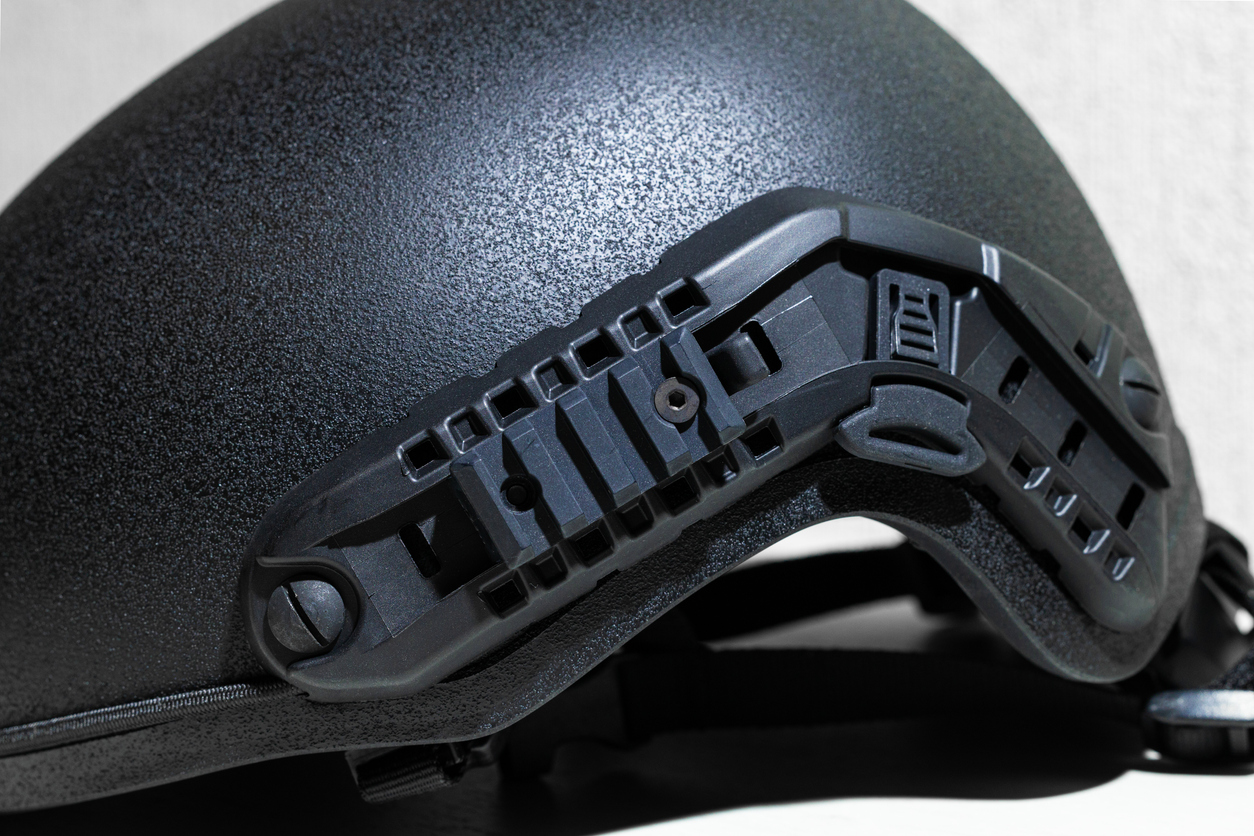
Ballistic helmets are an essential component of modern protective equipment used by military units, law enforcement agencies, private security firms, and specialized industrial teams. As demand for high-grade protective gear grows globally, buyers increasingly rely on protective equipment wholesale ballistic helmets suppliers to ensure consistent quality, regulatory compliance, and efficient distribution.
Wholesale procurement allows organizations to obtain certified equipment in bulk while maintaining cost efficiency and supply chain reliability. For procurement teams operating in Africa and international markets, selecting the right supplier is critical to ensuring that helmets meet operational safety standards and logistical requirements.
Understanding Protective Equipment Wholesale Ballistic Helmets
Ballistic helmets are designed to protect the wearer from projectiles, shrapnel, and blunt force impacts during high-risk operations. In wholesale supply chains, helmets are typically sourced from specialized manufacturers and distributed through authorized importers or procurement partners.
Common types of ballistic helmets supplied through wholesale channels include:
-
PASGT helmets used widely by military forces
-
MICH / ACH helmets designed for improved comfort and communication integration
-
High-cut tactical helmets suitable for modern combat and security operations
-
Full-coverage helmets used in riot control and specialized law enforcement units
These helmets are usually constructed using advanced materials such as aramid fibers or ultra-high-molecular-weight polyethylene (UHMWPE), which provide strong ballistic resistance while minimizing weight.
For large-scale buyers, working with reliable protective equipment wholesalers helps ensure that all helmets meet recognized testing standards and durability requirements.
Key Safety Standards for Ballistic Helmets
When sourcing protective equipment wholesale ballistic helmets, verifying safety certifications is essential. Procurement teams should confirm that products comply with internationally recognized standards.
Important standards include:
NIJ (National Institute of Justice): Widely used benchmark for ballistic protection levels.
STANAG 2920: NATO standard that measures resistance to fragmentation.
ISO manufacturing standards: Ensure quality control and traceability within the production process.
Compliance with these standards ensures helmets can withstand the intended operational threats and maintain structural integrity under demanding conditions.
Wholesale suppliers typically provide certification documentation, testing reports, and manufacturing specifications to support procurement verification.
Logistics and Distribution Considerations for Ballistic Helmets
Ballistic helmets are classified as controlled protective equipment in many jurisdictions. This means that procurement often involves strict documentation and regulatory compliance.
Key logistics considerations include:
Import regulations and export controls
Certain helmet models may require permits depending on their protection rating.
Secure transport and packaging
Helmets must be shipped in protective packaging to prevent structural damage.
Bulk inventory management
Organizations often require staged deliveries to align with deployment schedules.
Customs clearance processes
Proper documentation helps prevent delays when importing protective gear.
Working with experienced trade and logistics partners helps simplify these processes, particularly for buyers operating in emerging markets or cross-border supply chains.
Choosing a Reliable Protective Equipment Wholesale Ballistic Helmets Supplier
Selecting a trusted supplier is critical for maintaining safety, compliance, and long-term procurement reliability.
Procurement teams should evaluate suppliers based on several factors:
Manufacturer relationships
Direct partnerships with reputable manufacturers improve product authenticity.
Quality assurance procedures
Independent testing and certification checks reduce the risk of counterfeit or substandard equipment.
Global logistics capability
Efficient freight and customs coordination ensures timely delivery.
Inventory consistency
Reliable wholesalers maintain stable supply for repeat orders. For organizations operating across Africa or international trade corridors, these factors play a major role in maintaining operational readiness and supply chain stability.
How Wigmore Trading Supports Protective Equipment Supply Chains
Sourcing specialized equipment such as ballistic helmets requires coordination between manufacturers, regulators, logistics providers, and buyers. Wigmore Trading works with international suppliers and procurement partners to help organizations manage these complex supply chains.
Through its import/export and distribution expertise, Wigmore Trading can assist businesses and institutions with:
-
Global sourcing of certified protective equipment
-
Supply chain coordination for wholesale procurement
-
International shipping and customs clearance
-
Inventory distribution across African markets
By supporting both sourcing and logistics, Wigmore Trading helps procurement teams reduce operational delays and maintain consistent access to essential protective equipment.
Conclusion
The global demand for protective equipment wholesale ballistic helmets continues to grow as security and defense organizations prioritize personnel safety. Procuring helmets through reliable wholesale channels ensures compliance with international standards while improving cost efficiency and supply chain reliability.
For organizations purchasing protective gear at scale, careful supplier selection, regulatory compliance, and efficient logistics management are key to successful procurement.
Wigmore Trading can help businesses and institutions streamline sourcing, manage import logistics, and maintain reliable supply chains for protective equipment.
Contact Wigmore Trading today to streamline your sourcing.






Comments are closed.