
Starting Cocoa Butter Manufacturing in Nigeria: Key Steps and Market Demand
Talk to us about this service
Trade, import, logistics, sourcing — whatever you're planning, the fastest way to a quote is a WhatsApp message. Our team replies during Lagos business hours.
WhatsApp usYour message tells us which page you came from
Nigeria is one of the world’s leading cocoa producers, yet much of its cocoa is exported as raw beans with limited local processing. Expanding cocoa butter manufacturing in Nigeria presents a significant opportunity to capture more value within the country’s agricultural sector. Cocoa butter is a key ingredient used in chocolate production, cosmetics, pharmaceuticals, and personal care products, making it an important commodity in both domestic and international markets.
By investing in processing and value addition, Nigeria can strengthen its cocoa industry while meeting growing global demand for cocoa-derived products.
Understanding Cocoa Butter Manufacturing in Nigeria
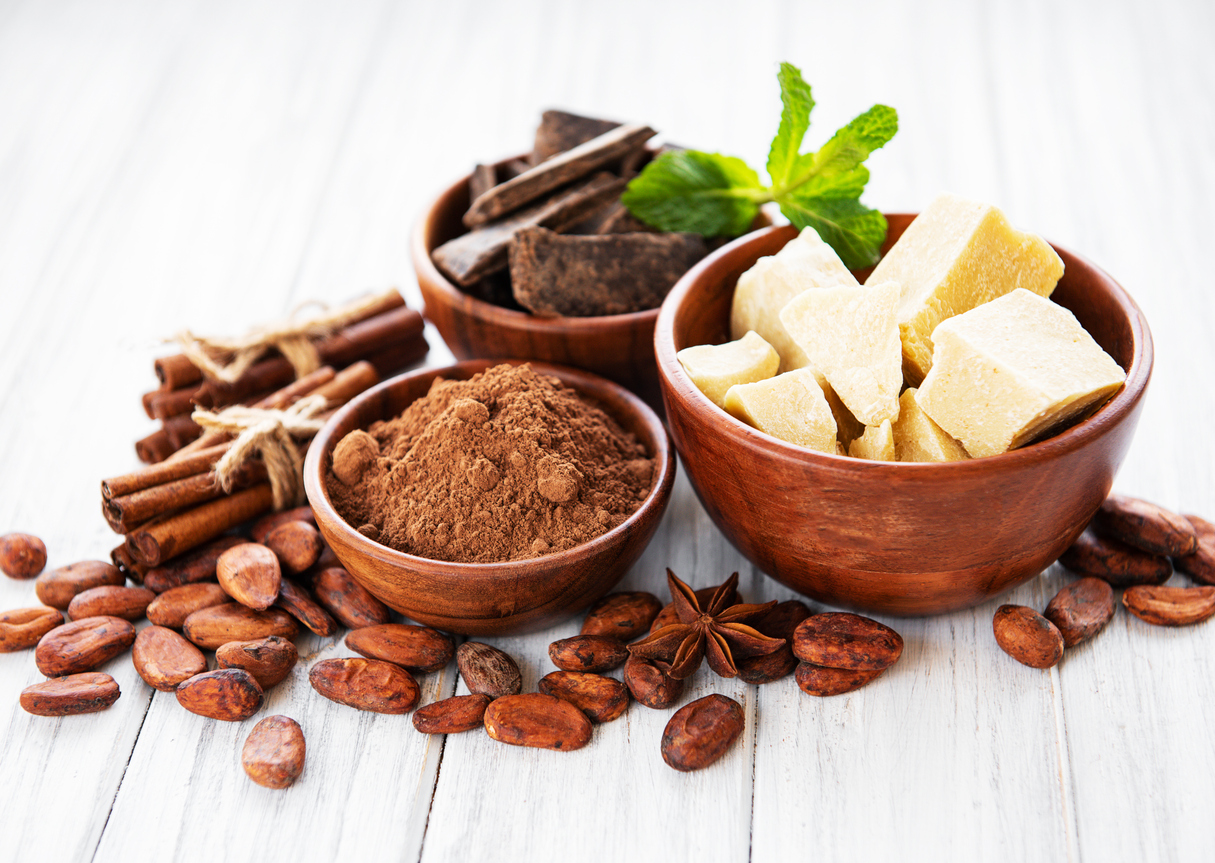
Cocoa butter is the natural fat extracted from cocoa beans during processing. It has a smooth texture, mild chocolate aroma, and stable melting properties, which makes it highly valuable in various industries.
The process of cocoa butter manufacturing in Nigeria typically involves several stages:
-
Cleaning and roasting cocoa beans to enhance flavor and remove impurities.
-
Grinding the roasted beans into cocoa liquor or cocoa mass.
-
Pressing the cocoa mass to separate cocoa butter from cocoa solids.
-
Refining and filtering the butter to achieve the desired quality for industrial use.
The extracted cocoa butter is then packaged and supplied to chocolate manufacturers, cosmetics companies, and pharmaceutical producers.
Developing this processing capacity locally can significantly increase the value generated from Nigeria’s cocoa harvest.
Market Demand for Cocoa Butter
Global demand for cocoa butter continues to grow due to its wide range of applications.
Chocolate and Confectionery Industry
Cocoa butter is an essential ingredient in chocolate production. Its melting characteristics give chocolate its smooth texture and glossy finish. As global chocolate consumption rises, manufacturers require reliable cocoa butter suppliers.
Cosmetics and Personal Care Products
Cocoa butter is widely used in moisturizers, lip balms, lotions, and body creams. Its natural emollient properties help hydrate and protect skin, making it a popular ingredient in skincare formulations.
Pharmaceutical Applications
The pharmaceutical industry also uses cocoa butter as a base for medicinal products such as suppositories and ointments.
These diverse applications create strong international demand, making cocoa butter manufacturing in Nigeria an attractive opportunity for processors and exporters.
Challenges in Cocoa Butter Manufacturing in Nigeria
Despite Nigeria’s strong cocoa production, the country faces several barriers to large-scale cocoa processing.
Limited Processing Infrastructure
Many cocoa beans are exported in raw form because processing facilities remain limited. Expanding modern processing plants would allow Nigeria to convert more beans into high-value products like cocoa butter and cocoa powder.
Supply Chain and Logistics Issues
Efficient transportation, storage, and export logistics are essential for maintaining product quality. Cocoa butter must be handled carefully to prevent contamination and preserve its physical properties.
Export Compliance and Quality Standards
International buyers require cocoa butter that meets strict food safety and quality regulations. Manufacturers must comply with export documentation, certifications, and traceability requirements.
Companies working with experienced trade partners can navigate these requirements more effectively.
Strengthening Cocoa Butter Manufacturing in Nigeria Through Supply Chain Support
Building a successful cocoa processing industry requires reliable sourcing, logistics, and market access.
This is where experienced trade and supply chain companies can play an important role. Wigmore Trading supports businesses involved in agricultural commodities by providing sourcing, distribution, and export logistics services. For manufacturers involved in cocoa butter manufacturing in Nigeria, this support can help ensure consistent access to cocoa beans and efficient movement of processed products to international markets.
By connecting producers, processors, and buyers, supply chain partners help strengthen Nigeria’s position in the global cocoa industry.
The Future of Cocoa Butter Manufacturing in Nigeria
Nigeria has the agricultural base, labor force, and strategic location to expand its cocoa processing capacity. Increasing investment in cocoa butter manufacturing in Nigeria could generate several economic benefits, including:
-
Higher export revenues
-
Job creation in rural and industrial sectors
-
Increased competitiveness in global cocoa markets
-
Stronger local manufacturing industries
As global demand for cocoa-based ingredients continues to rise, developing domestic processing capacity will become increasingly important.
Conclusion
Cocoa butter manufacturing in Nigeria represents a key opportunity to move beyond raw commodity exports and capture greater value within the cocoa supply chain. With growing global demand across the chocolate, cosmetics, and pharmaceutical industries, expanding local processing capacity could significantly strengthen Nigeria’s agricultural economy.
However, success depends on reliable sourcing, efficient logistics, and compliance with international trade standards.
Wigmore Trading can help. With experience in sourcing, distribution, and export logistics, Wigmore Trading supports businesses looking to streamline supply chains and access global markets.
Contact Wigmore Trading today to streamline your sourcing.

Comments are closed.