
5 Tips on How to Buy Wholesale Hair in Nigeria
Talk to us about this service
Trade, import, logistics, sourcing — whatever you're planning, the fastest way to a quote is a WhatsApp message. Our team replies during Lagos business hours.
WhatsApp usYour message tells us which page you came from
5 Tips on How to Buy Wholesale Hair in Nigeria
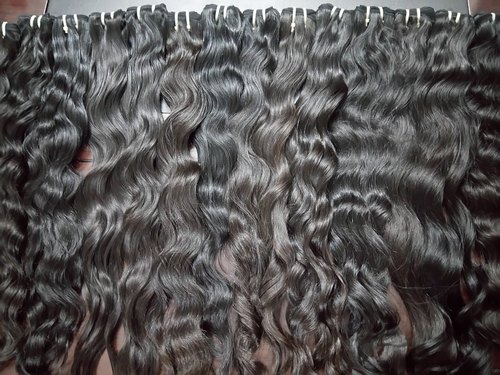
Buying wholesale hair in Nigeria can be a profitable venture if you know where to source quality products and how to navigate the market. Here are five essential tips to help you purchase wholesale hair extensions and wigs effectively. For a wide selection of high-quality hair products, visit Wigmore Wholesale.
1. Identify Reliable Suppliers
Overview: The success of your wholesale hair business largely depends on the reliability and quality of your suppliers.
Tips:
- Research: Look for suppliers with good reputations. Check online reviews and ask for references.
- Samples: Request samples before making large purchases to assess the quality.
- Certifications: Ensure the suppliers have the necessary certifications and comply with industry standards.
Resources:
2. Understand the Types of Hair
Overview: There are various types of hair extensions, such as synthetic, human, Remy, and virgin hair. Knowing the differences is crucial.
Tips:
- Human Hair vs. Synthetic: Human hair is more versatile and can be styled with heat, whereas synthetic hair is less expensive but cannot withstand high temperatures.
- Remy Hair: This type of human hair has the cuticles intact and aligned, offering a natural look and longevity.
- Virgin Hair: This is untreated hair that hasn’t been dyed or processed, known for its high quality.
Resources:
3. Check for Quality Assurance
Overview: Quality assurance is vital to ensure you are getting good value for your money.
Tips:
- Inspection: Physically inspect the hair for any defects or inconsistencies.
- Quality Certifications: Look for quality certifications from recognized bodies.
- Return Policy: Ensure the supplier has a clear return policy in case the hair does not meet the agreed standards.
Resources:
4. Consider Pricing and Payment Terms
Overview: Pricing is a critical factor in wholesale purchasing. Understanding the payment terms and ensuring they are favorable is also essential.
Tips:
- Compare Prices: Get quotes from multiple suppliers to compare prices.
- Bulk Discounts: Negotiate for bulk purchase discounts to get better deals.
- Payment Terms: Look for flexible payment terms that allow for better cash flow management.
Resources:
5. Stay Updated with Market Trends
Overview: The hair industry is dynamic, with trends changing frequently. Keeping up with the latest trends can help you stock the most in-demand products.
Tips:
- Market Research: Conduct regular market research to identify upcoming trends.
- Customer Feedback: Pay attention to customer feedback and preferences.
- Industry Events: Attend hair and beauty trade shows and exhibitions to stay informed.
Resources:
Conclusion
Purchasing wholesale hair in Nigeria requires thorough research, understanding of the products, quality assurance, competitive pricing, and staying updated with market trends. By following these tips, you can ensure a successful and profitable venture. For reliable and high-quality hair products, visit Wigmore Wholesale.

LEAVE A COMMENT
You must be logged in to post a comment.