
How to Navigate Petrochemical Manufacturing in Nigeria’s Growing Market
Talk to us about this service
Trade, import, logistics, sourcing — whatever you're planning, the fastest way to a quote is a WhatsApp message. Our team replies during Lagos business hours.
WhatsApp usYour message tells us which page you came from
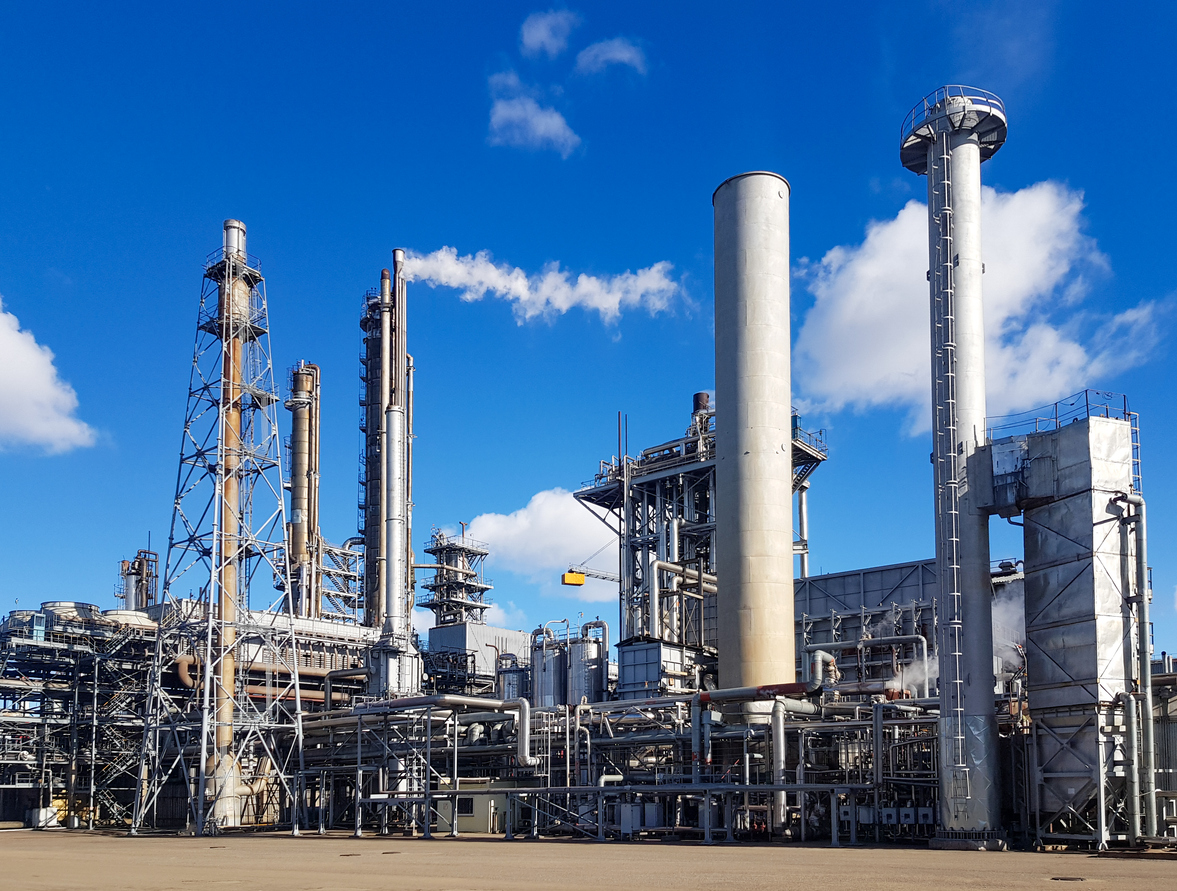
Petrochemical manufacturing in Nigeria plays a critical role in supporting industries such as plastics, packaging, agriculture, textiles, and FMCG production. As one of Africa’s largest oil producers, Nigeria has strong potential to expand its petrochemical sector and reduce dependence on imports of refined and intermediate chemical products.
However, while the country has access to abundant raw materials, operational and supply chain challenges continue to shape the sector. Understanding these dynamics is essential for businesses looking to source, distribute, or invest in petrochemical products within Nigeria.
Overview of Petrochemical Manufacturing in Nigeria
Petrochemical manufacturing in Nigeria involves converting hydrocarbons—primarily natural gas and crude oil derivatives—into chemical products such as polyethylene, polypropylene, methanol, and fertilizers.
Key production hubs include:
-
The Niger Delta region, where feedstock is readily available
-
Industrial zones near Lagos and Port Harcourt
-
Emerging free trade zones designed to attract investment
Despite these advantages, domestic production capacity remains limited compared to demand. Many Nigerian manufacturers still rely on imported petrochemical inputs, particularly for plastics and industrial chemicals.
Key Opportunities in the Nigerian Petrochemical Sector
Nigeria’s growing population and industrial base continue to drive demand for petrochemical products. Several opportunities stand out:
Rising Demand from FMCG and Packaging Industries
The expansion of Nigeria’s FMCG sector has increased demand for plastic packaging materials such as PET, HDPE, and polypropylene. Local production of these materials can significantly reduce import costs and lead times.
Fertilizer and Agricultural Inputs
Petrochemical derivatives such as ammonia and urea are essential for fertilizer production. With agriculture being a priority sector, there is strong demand for reliable local supply.
Import Substitution Potential
Reducing reliance on imports is a major policy focus. Expanding petrochemical manufacturing in Nigeria can improve foreign exchange stability and strengthen local supply chains.
For businesses, this creates opportunities to engage in sourcing, distribution, and logistics services that bridge the gap between local production and industrial demand.
Challenges Affecting Petrochemical Manufacturing in Nigeria
While the potential is significant, several structural challenges persist:
Infrastructure and Logistics Constraints
Transporting petrochemical products requires reliable infrastructure, including roads, ports, and storage facilities. Delays at ports and inefficient inland transport can increase costs and disrupt supply chains.
Limited Refining and Processing Capacity
Nigeria exports crude oil but imports a large portion of refined products and petrochemical derivatives. Limited processing infrastructure affects the availability of feedstock for local manufacturers.
Regulatory and Compliance Complexity
Import regulations, quality standards, and documentation requirements can create bottlenecks for businesses involved in petrochemical trade. Ensuring compliance is essential to avoid delays and penalties.
Strengthening Supply Chains for Petrochemical Distribution
Efficient supply chain management is critical to unlocking the full potential of petrochemical manufacturing in Nigeria. Businesses need to focus on:
-
Reliable sourcing of raw materials and finished products
-
Efficient warehousing and inventory management
-
Streamlined customs clearance processes
-
Strong distribution networks across urban and industrial centers
This is where experienced trade and logistics partners play a key role.
Wigmore Trading supports businesses by facilitating sourcing, handling import documentation, and coordinating distribution across Nigeria. By reducing operational friction, companies can maintain consistent supply and meet production demands more effectively.
The Role of Strategic Partnerships
Given the complexity of the petrochemical sector, partnerships are essential. Manufacturers, distributors, and importers benefit from working with firms that understand both local market conditions and international trade requirements.
Strategic support can help businesses:
-
Identify reliable global suppliers
-
Navigate regulatory frameworks
-
Optimize shipping and freight costs
-
Ensure timely delivery to production facilities
With the right partnerships, companies can overcome common barriers and operate more efficiently within Nigeria’s evolving industrial landscape.
Conclusion
Petrochemical manufacturing in Nigeria presents strong commercial potential, driven by growing industrial demand and government focus on local production. However, success in this sector depends on overcoming supply chain inefficiencies, infrastructure gaps, and regulatory challenges.
Businesses that invest in efficient sourcing, logistics, and distribution strategies are better positioned to capitalize on emerging opportunities.
Wigmore Trading can help. Contact Wigmore Trading today to streamline your sourcing.
No Comments Yet.

Comments are closed.