
Industrial Diversification in Nigeria: Unlocking Growth in the Non-Oil Sector
Talk to us about this service
Trade, import, logistics, sourcing — whatever you're planning, the fastest way to a quote is a WhatsApp message. Our team replies during Lagos business hours.
WhatsApp usYour message tells us which page you came from
Introduction
Nigeria’s economic reliance on crude oil has long exposed the country to global price volatility and revenue instability. As a result, industrial diversification in Nigeria’s non-oil sector has become a critical priority for sustainable growth. Expanding into agriculture, manufacturing, FMCG, and logistics not only strengthens economic resilience but also creates jobs and boosts trade across West Africa.
For businesses and investors, understanding how to navigate this shift is essential. This article explores the opportunities, challenges, and practical pathways for diversification, with insights into how supply chain partners like Wigmore Trading can support success.
Why Industrial Diversification Matters
Oil revenues have historically dominated Nigeria’s exports. However, fluctuating oil prices and global energy transitions are accelerating the need for diversification. The non-oil sector offers several advantages:
- Economic stability: Reduces dependence on a single commodity
- Job creation: Expands employment in agriculture, manufacturing, and services
- Export growth: Increases participation in regional and global trade
- Local value addition: Encourages domestic production instead of imports
Sectors such as agro-processing, consumer goods, and industrial manufacturing are particularly well-positioned to drive growth.
Key Growth Areas in Nigeria’s Non-Oil Sector
1. Agriculture and Agro-Processing
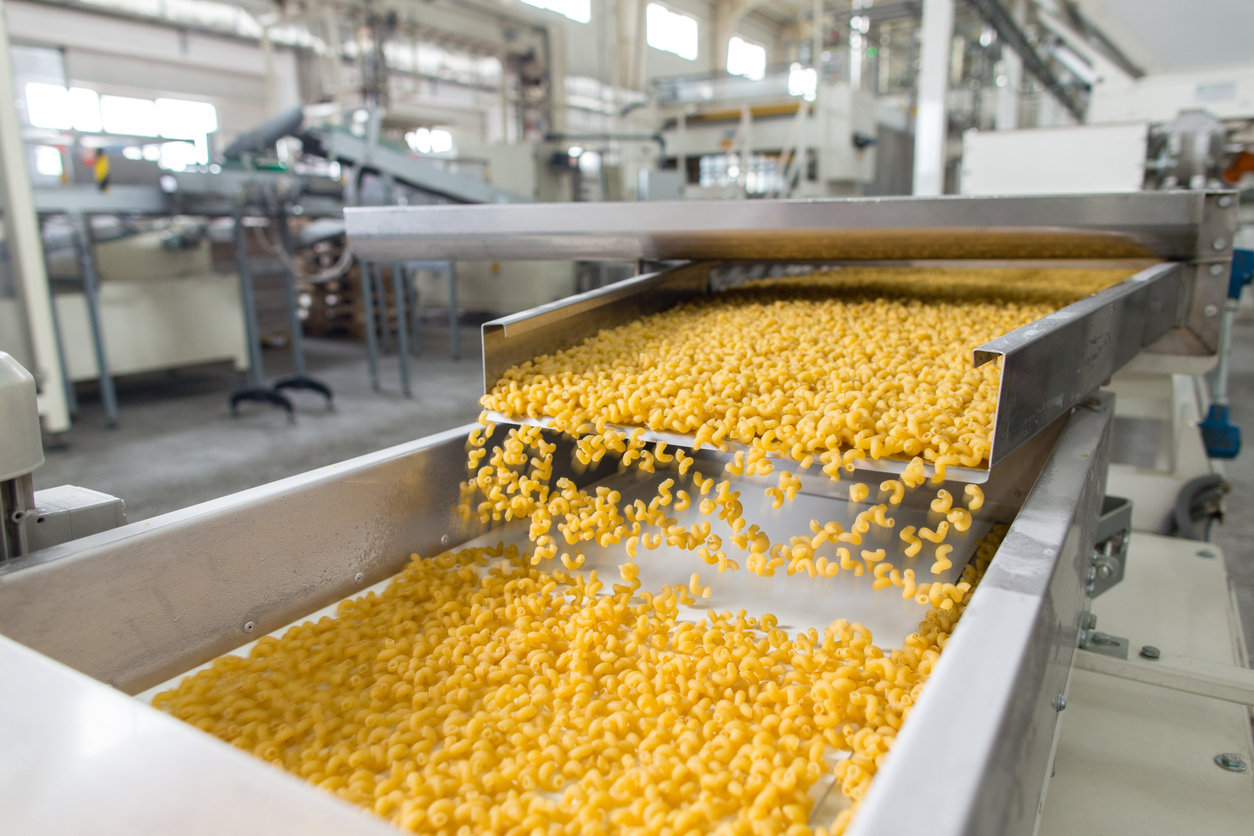
Nigeria has vast arable land and a large domestic market. Moving beyond raw exports into processing—such as packaged foods, edible oils, and grains—adds significant value. Businesses that invest in storage, processing, and distribution can capture higher margins and reduce post-harvest losses.
2. FMCG and Wholesale Distribution
The rising population and urbanisation are driving demand for fast-moving consumer goods. Local manufacturing and efficient distribution networks are essential to meet this demand. Importers and distributors play a key role in bridging supply gaps while supporting local production.
3. Manufacturing and Industrial Production
Light manufacturing, including plastics, packaging, textiles, and building materials, presents strong opportunities. However, success depends on access to reliable raw materials, machinery, and efficient logistics.
4. Logistics and Trade Infrastructure
Efficient supply chains are central to industrial diversification. Ports, warehousing, and inland distribution networks must be optimised to reduce costs and improve delivery timelines.
Challenges Facing Industrial Diversification
Despite the opportunities, businesses often encounter practical barriers:
- Supply chain inefficiencies: Delays at ports and high transportation costs
- Limited access to quality inputs: Difficulty sourcing reliable raw materials
- Regulatory complexity: Import/export compliance and documentation challenges
- Infrastructure gaps: Power shortages and limited storage facilities
Addressing these challenges requires strategic partnerships and strong operational planning.
Practical Solutions for Businesses
Strengthen Sourcing Strategies
Reliable sourcing is critical for manufacturing and distribution. Businesses should work with trusted partners who can ensure consistent quality, competitive pricing, and timely delivery of goods.
Invest in Distribution Networks
Efficient warehousing and last-mile delivery systems reduce costs and improve customer satisfaction. This is particularly important in Nigeria’s fast-growing FMCG sector.
Ensure Regulatory Compliance
Understanding import duties, documentation, and standards is essential to avoid delays and penalties. Businesses should prioritise compliance from the outset.
Leverage Strategic Partnerships
Working with experienced trading and logistics companies can help businesses navigate complex supply chains and scale more effectively.
How Wigmore Trading Supports Industrial Diversification
As Nigeria continues to expand its non-oil economy, companies require reliable partners to manage sourcing, importation, and distribution. Wigmore Trading supports businesses by:
- Sourcing high-quality products and raw materials globally
- Managing end-to-end logistics, including shipping and warehousing
- Ensuring compliance with import/export regulations
- Supporting wholesale distribution across Nigeria and West Africa
By streamlining supply chains, Wigmore Trading enables businesses to focus on growth and market expansion.
Conclusion
Industrial diversification in Nigeria’s non-oil sector is no longer optional—it is essential for long-term economic resilience. With opportunities in agriculture, FMCG, manufacturing, and logistics, businesses that adopt strategic sourcing, efficient distribution, and strong partnerships will be best positioned to succeed.
As the landscape evolves, having the right supply chain support can make a significant difference in navigating challenges and capturing new opportunities.
Wigmore Trading can help. Contact Wigmore Trading today to streamline your sourcing.
No Comments Yet.

Comments are closed.