
How To Export Iron Ingots From Nigeria: 5 Easy Steps

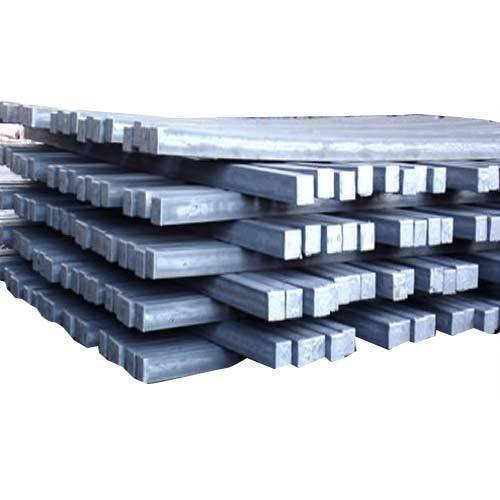
How To Export Iron Ingots From Nigeria: 5 Easy Steps
Nigeria is one of the top producers of iron ore in Africa. Iron ore, also called hematite, is used in the production of steel. Nigeria’s reserves are estimated to be about 3 billion tonnes. The iron oxide content in Nigerian ores averages c. 68% with high levels of phosphorus and sulfur.
There are many ways to make money in Nigeria but exporting iron ingots has proven to be among the most profitable ventures here. Here are 5 steps on how you can start exporting iron ingots from Nigeria today!
Identify the type of iron ore
In Nigeria, there are two types of iron ore: magnetite and hematite. Hematite accounts for about 95% of the iron ore production in Nigeria. There is also a blend of magnetite and hematite called siderite.
How can you tell which type of ore you have on your property?
If the ore is green, it is most likely magnetite. If the ore is black, it is more likely to be hematite.
If you’re not sure, you can send a small sample of your ore to a laboratory for testing. The lab will tell you which type of ore it is.
What type of iron ore do you have? If it’s hematite, congratulations! You’re one step closer to exporting iron ingots from Nigeria!
Export license
Before you can export iron ingots from Nigeria, you will need a license from the Nigerian Export Promotion Council (NEPC). This is an agency of the Nigerian government that oversees the export of all commodities in Nigeria. You can get a license from the NEPC after completing a form and paying a fee. To get started, all you have to do is fill out a form and pay a small fee.
In order to get a license, you’ll need to fill out a form and pay a small fee. You can fill out the form online or print it, fill it out, and mail it. Once you have the license, you’ll be able to export iron ingots from Nigeria without any problems.
Customs clearance
If you want to export iron ingots from Nigeria, you’re going to have to get past customs. This means you’ll need to get a license from the Nigerian Bureau of Statistics. This will allow you to clear your goods through customs.
Next, you’ll need to get a bill of lading from the shipping company that’s transporting your goods—this will be your proof of export. You’ll also need to present an export declaration and health certificate when you go to customs.
Next, you’ll need to register your goods with the Nigerian Export Promotion Council and the Nigerian Bureau of Statistics. You’ll also need an export license and a certificate of origin.
Export duty is calculated based on the type and value of your goods when they enter Nigeria, so be sure to know this before you go because it can vary.
After all the proper documentation is obtained and filed, your goods will need to be inspected by Nigerian Customs service and then finally cleared for export!
Getting permits for exports
There are many regulatory steps one needs to take before exporting iron ingots from Nigeria. These include obtaining a permit to export, getting a permit to import, getting a certificate of origin, and obtaining an import license.
The first step is for you to obtain export permits. You can apply for them at the Nigerian Customs Service (NCS).
Next, you’ll need to obtain an import license. To do that you need to go through the Imports and Exports Monitoring Bureau (IEMB).
The third step is to get the certificate of origin. The Nigerian Export Promotion Council (NEPC) can provide you with this document.
The final step is to obtain an import license. This will be issued by the Nigeria Customs Service (NCS).
Find a cargo company
Nigerian government agencies, including the Nigerian Air Force, have been known to seize cargo for personal gain.
Nigerian customs will not release your cargo until you have paid all the necessary duties, taxes, and fees.
You will also be subject to importation duties, which are levied on goods imported into Nigeria. You may need to pay “drawback” duties if the goods are exported within a specified time period.
Finding a reliable company to handle your export can be difficult. You need to research the specific questions that need to be answered about your cargo.
Questions you need to answer before exporting iron ingots from Nigeria include:
-What are the dimensions of my iron ingots?
-How much weight is my cargo?
-How much is my cargo worth?
-What is the destination of my cargo?
-What are the dimensions of my cargo container?
-How much weight will my container hold?
-What is the destination of my container?



LEAVE A COMMENT
You must be logged in to post a comment.