
Understanding Shipping Routes in Nigeria: Key Ports and Trade Pathways

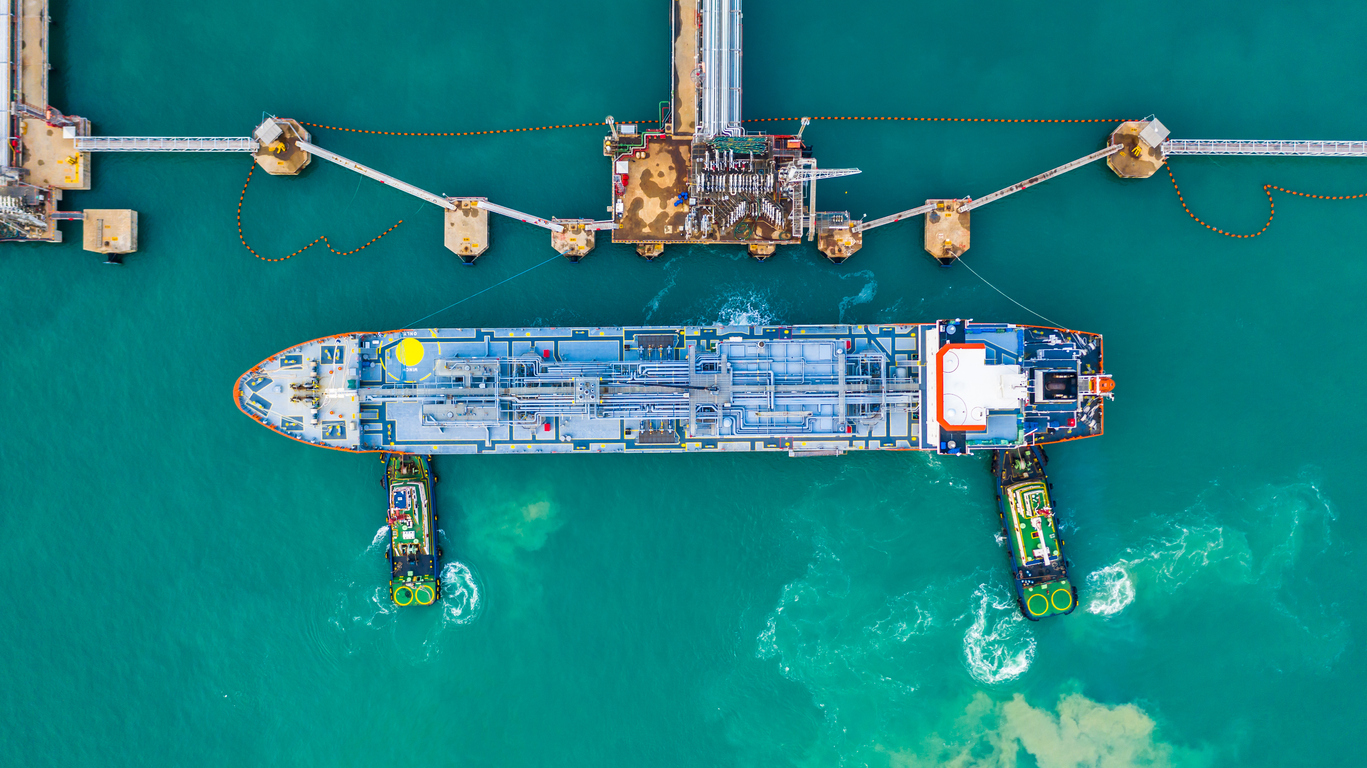
Nigeria, positioned strategically along the Gulf of Guinea, serves as a central hub for maritime trade in West Africa. With its bustling ports and extensive shipping routes, the country plays a pivotal role in regional and international trade. This article provides insights into Nigeria’s major shipping routes, key ports, and how these pathways contribute to the country’s economy.
Key Ports in Nigeria and Their Roles in Shipping Routes
Nigeria’s maritime infrastructure revolves around several key ports, each serving specific functions in the trade network:
- Lagos Port Complex (Apapa Port):
- Role: Nigeria’s busiest port, handling general cargo, container shipments, and bulk cargo.
- Routes: Connects to major international shipping lines traveling to Europe, Asia, and the Americas.
- Tin Can Island Port:
- Role: A major container-handling hub, complementing the Lagos Port Complex.
- Routes: Part of West African coastal shipping routes, linking regional trade.
- Port Harcourt and Onne Ports:
- Role: Focused on oil and gas logistics, servicing Nigeria’s energy exports.
- Routes: Direct routes to oil-importing nations, especially in Europe and Asia.
- Calabar Port:
- Role: Serves the eastern region of Nigeria, with a focus on bulk and agricultural exports.
- Routes: Vital for trade with neighboring Central African countries.
- Warri Port:
- Role: Supports oil logistics and general cargo handling in the Niger Delta.
- Routes: Links to nearby West African markets and export routes for crude oil.
- Bonny Island Terminal:
- Role: Specializes in exporting Liquefied Natural Gas (LNG).
- Routes: Integral to Nigeria’s LNG shipping lanes to Europe, Asia, and North America.
Major Shipping Routes Serving Nigeria
- West African Coastal Route:
- Details: Connects Nigeria to other West African countries, supporting regional trade.
- Importance: Vital for intra-African trade of goods like food, textiles, and manufactured products.
- Transatlantic Route:
- Details: Links Nigeria to North and South America, focusing on crude oil exports.
- Importance: Critical for energy trade, particularly with the U.S. and Brazil.
- Europe-Africa Route:
- Details: A key route for shipping crude oil, LNG, and agricultural products to European markets.
- Importance: Provides access to major European ports, sustaining Nigeria’s export economy.
- Asia-Africa Route:
- Details: Connects Nigerian ports to major Asian economies, including China and India.
- Importance: Facilitates imports of machinery, electronics, and other goods, as well as oil exports.
Challenges Facing Nigeria’s Shipping Routes
- Piracy and Security Risks: The Gulf of Guinea remains a piracy hotspot, threatening shipping activities.
- Infrastructure Deficits: Inadequate port facilities and congestion at key ports slow down trade.
- Regulatory Bottlenecks: Lengthy customs procedures can hinder the smooth flow of goods.
The Role of Wigmore Trading in Navigating Nigeria’s Shipping Routes
At Wigmore Trading, we offer logistics solutions tailored to the complexities of Nigeria’s maritime trade, including:
- Freight Forwarding: Ensuring efficient and timely shipment of goods along Nigeria’s shipping routes.
- Customs Clearance: Navigating regulatory requirements to minimize delays.
- Regional Trade Expertise: Facilitating trade within West Africa using strategic coastal shipping routes.
By partnering with Wigmore Trading, businesses can optimize their supply chain and access Nigeria’s key trade pathways with ease.
Future of Shipping Routes in Nigeria
- Expansion of Deep-Sea Ports: Projects like the Lekki Deep-Sea Port aim to ease congestion and improve trade efficiency.
- Enhanced Security Measures: Increased efforts to combat piracy will bolster confidence in shipping routes.
- Regional Trade Growth: The African Continental Free Trade Area (AfCFTA) will likely boost intra-African shipping activities.






Comments are closed.