
The Dangers of Fake Drinks in Nigeria: What You Need to Know

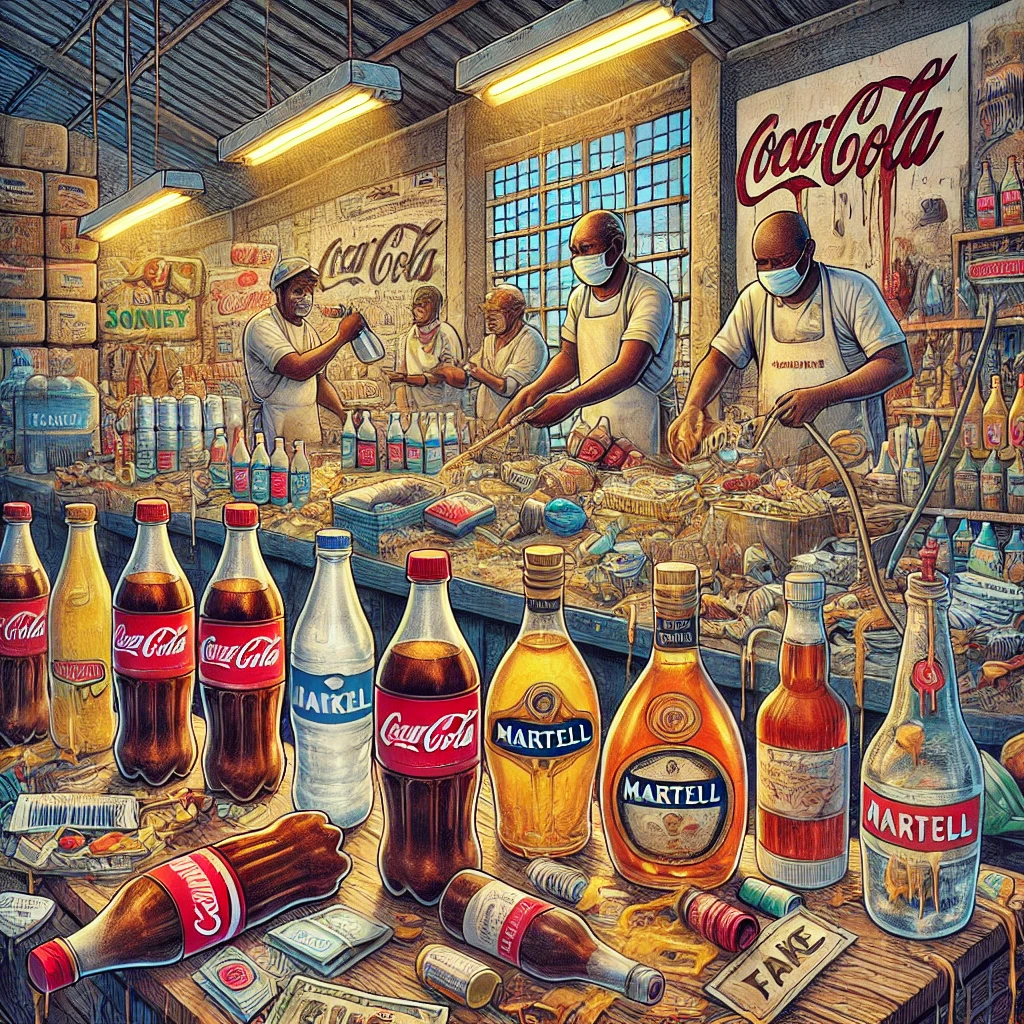
Counterfeit drinks have become a growing concern in Nigeria, posing significant threats to public health and safety. These fake beverages, which often include alcoholic drinks, bottled water, and soft drinks, are manufactured using substandard ingredients and processes. Understanding the dangers of fake drinks is critical to protecting your health and making informed purchasing decisions.
1. Health Risks of Consuming Fake Drinks
a. Food Poisoning
Fake drinks are often produced in unsanitary environments and may contain harmful bacteria or toxins. Consuming these contaminated beverages can result in:
- Nausea
- Vomiting
- Diarrhea
- Severe dehydration
b. Alcohol Poisoning
Counterfeit alcoholic drinks frequently contain high levels of methanol, a toxic substance used as an alternative to ethanol. Methanol can cause:
- Blindness
- Organ failure
- Death in severe cases
c. Long-Term Health Issues
Repeated consumption of counterfeit drinks can lead to chronic conditions such as:
- Liver damage due to harmful additives or contaminants.
- Kidney failure from toxic chemicals.
- Cancer risk from carcinogenic substances used in fake manufacturing processes.
2. Deceptive Packaging and Misleading Consumers
Counterfeit drinks often mimic established brands, making it difficult for consumers to identify them. This deception can lead to:
- Reduced Trust in Brands: When customers unknowingly purchase fake products, it tarnishes the reputation of legitimate manufacturers.
- Wasting Money: Buyers pay for substandard products that fail to deliver the quality they expect.
3. Economic Impact on Nigeria
The circulation of fake drinks negatively affects the Nigerian economy by:
- Hurting Legitimate Businesses: Counterfeiters undermine authentic manufacturers and distributors, leading to reduced revenue and job losses.
- Loss of Government Revenue: Fake drink manufacturers operate outside legal frameworks, avoiding taxes and regulatory compliance.
4. Legal and Ethical Concerns
- Violation of Consumer Rights: Fake drink manufacturers exploit unsuspecting consumers by offering unsafe and deceptive products.
- Environmental Damage: Counterfeiters often neglect proper disposal methods, leading to environmental pollution from waste materials.
5. Safety Risks for the Wider Population
Fake drinks can also have broader societal impacts:
- Counterfeit Alcohol at Events: Fake alcoholic drinks are often sold at social gatherings and bars, exposing large numbers of people to potential harm.
- Improper Storage: Counterfeit products are frequently stored in unhygienic conditions, increasing the likelihood of contamination.
How to Protect Yourself from Fake Drinks
To avoid the dangers associated with fake drinks:
- Buy from Trusted Retailers: Stick to supermarkets, reputable stores, or authorized distributors.
- Check for NAFDAC Numbers: Verify that the product has a valid registration number from the National Agency for Food and Drug Administration and Control.
- Inspect Packaging: Look for signs of tampering, poor-quality labels, or spelling errors.
- Avoid Suspiciously Low Prices: Cheap prices may indicate counterfeit goods.
- Verify Authentication Features: Use scratch-off codes or QR codes provided by manufacturers to confirm product authenticity.
How Wigmore Trading Helps You Stay Safe
At Wigmore Trading, we are committed to safeguarding the health of Nigerian consumers by providing only authentic and high-quality beverages. When you purchase from Wigmore Trading, you benefit from:
- Guaranteed Authenticity: All drinks are sourced directly from trusted manufacturers.
- Proper Handling: Drinks are stored under optimal conditions to maintain quality.
- Wide Range of Options: Choose from a variety of genuine products, including alcoholic beverages, soft drinks, and bottled water.

Comments are closed.