
Waste Disposal Services for Vessels in Nigeria – Supporting Clean and Compliant Maritime Operations

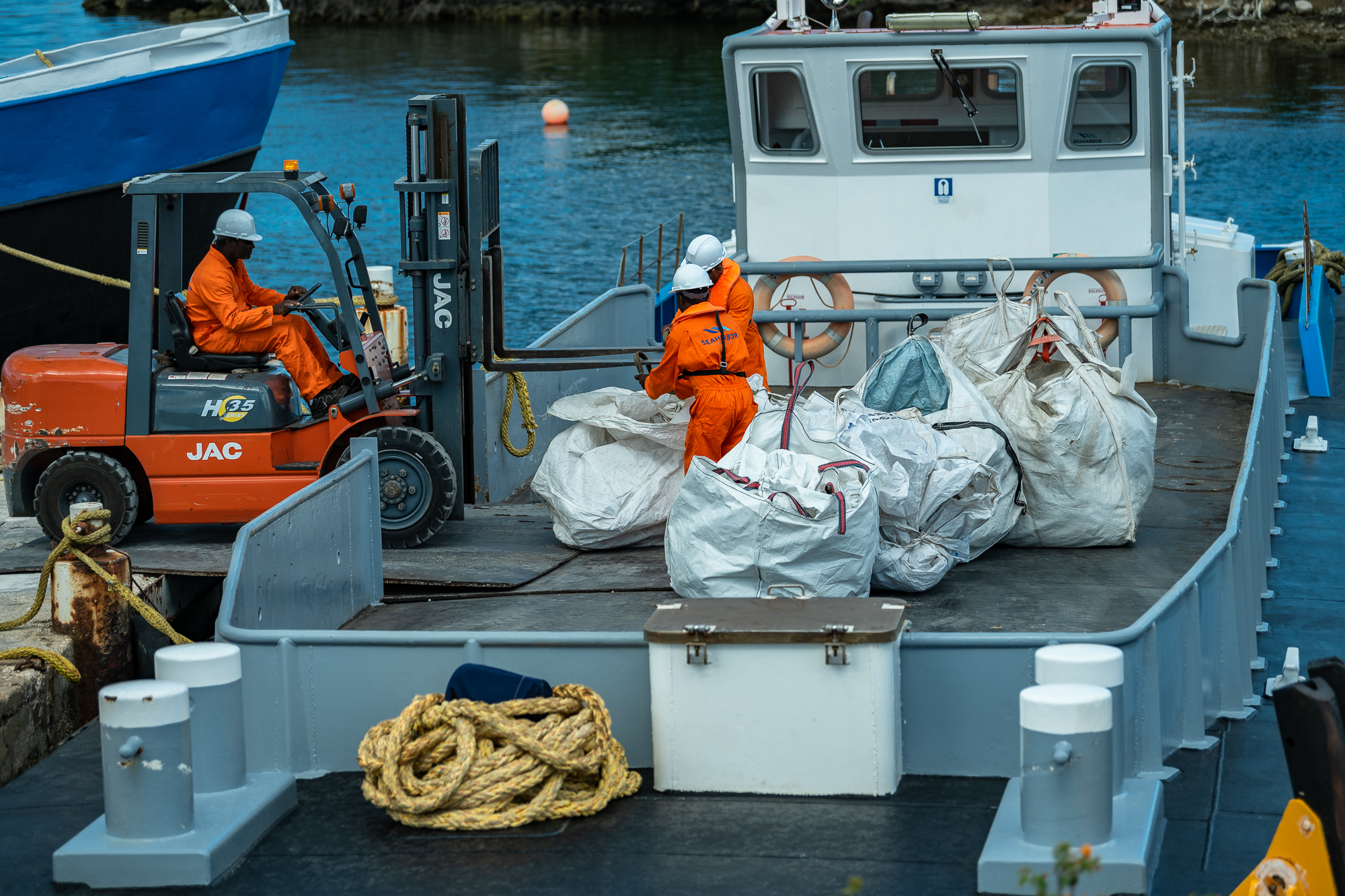
As Nigeria’s maritime traffic increases through commercial shipping, offshore energy activities, and naval operations, managing onboard waste responsibly has become a critical concern. International regulations like MARPOL (Marine Pollution Convention) mandate vessels to dispose of waste safely and legally. That’s why reliable waste disposal services for vessels in Nigeria are essential at major ports and offshore anchorage zones.
In this article, we explore the types of vessel waste, the regulatory framework in Nigeria, and how Wigmore Trading supports shipowners, port authorities, and maritime service contractors with sourcing, logistics, and environmental compliance.
Types of Vessel Waste and Disposal Needs
Vessels generate several categories of waste during voyages and at port. These include:
1. Oily Waste and Sludge
Waste oil from engine rooms and bilge water needs to be removed and treated in accordance with MARPOL Annex I.
2. Sewage (Black Water)
Collected from toilets and sanitary systems, sewage must be treated or pumped ashore for safe disposal under MARPOL Annex IV.
3. Garbage (Solid Waste)
This includes food waste, plastics, cardboard, glass, and other non-hazardous refuse governed by MARPOL Annex V.
4. Hazardous Waste
Batteries, chemicals, expired flares, and medical waste fall under MARPOL Annex III and require special handling and documentation.
5. Ballast Water
Though not “waste” in the traditional sense, ballast water must be treated before discharge to prevent marine ecosystem contamination.
Regulatory Landscape in Nigeria
Waste disposal services for vessels in Nigeria are regulated by:
-
Nigerian Maritime Administration and Safety Agency (NIMASA) – Responsible for enforcing MARPOL and supervising Port Reception Facilities (PRFs).
-
Federal Ministry of Environment and NESREA – Oversee environmental impact assessments and waste treatment compliance.
-
Port Authorities (e.g., NPA) – Monitor waste handling within port boundaries.
-
Licensed Waste Management Contractors – Must be approved to collect, transport, treat, and dispose of ship-generated waste.
Non-compliance can lead to fines, vessel detention, or loss of flag status, especially for international carriers.
Waste Disposal Logistics at Nigerian Ports
Approved Port Reception Facilities (PRFs) in Lagos, Port Harcourt, Calabar, Warri, and Onne are equipped to handle:
-
Collection via barge, truck, or direct pipeline
-
Segregation of waste onboard or at dock
-
Documentation for customs, port authorities, and flag states
-
Treatment at certified waste management centers
For offshore vessels, specialized service providers must coordinate barge collection and deliver waste to shore-based treatment plants under licensed protocols.
How Wigmore Trading Supports Vessel Waste Management
Wigmore Trading offers critical support services for maritime waste disposal by providing procurement, infrastructure, and coordination for waste logistics providers and vessel operators.
1. Sourcing of Waste Handling Equipment
We supply oil-water separators, waste tanks, garbage compactors, sewage treatment units, spill kits, and chemical PPE for onboard and port-side use.
2. Support for Licensed Waste Management Firms
Wigmore Trading helps equip certified Nigerian marine waste contractors with essential tools and logistics support for compliant waste collection and transfer.
3. Supply of Transfer Hoses, Containers, and Tools
We deliver marine-grade hoses, mobile holding tanks, leak-proof containers, and labeling kits for proper segregation and safe handling.
4. Compliance Documentation and Accessories
We supply MARPOL placards, record books, log templates, and GHS labeling materials to help vessels maintain full audit trails.
5. Coordination with Port Authorities
Our team works with port operators and customs to facilitate seamless clearance of equipment and ensure compliant handover processes for waste logistics providers.
Contact Wigmore Trading today to streamline your vessel waste management processes with trusted sourcing and infrastructure support.
Conclusion
As Nigeria’s ports and offshore sectors continue to grow, safe and compliant waste disposal services for vessels are more important than ever. Shipowners and operators must meet international environmental standards while avoiding operational delays or penalties.
Wigmore Trading supports the maritime industry with the tools, logistics, and procurement expertise needed to enable responsible and efficient vessel waste disposal across Nigeria’s ports.





Comments are closed.