
Differences Between Bitters and Herbal Wine – A Clear Guide for 2025 Buyers

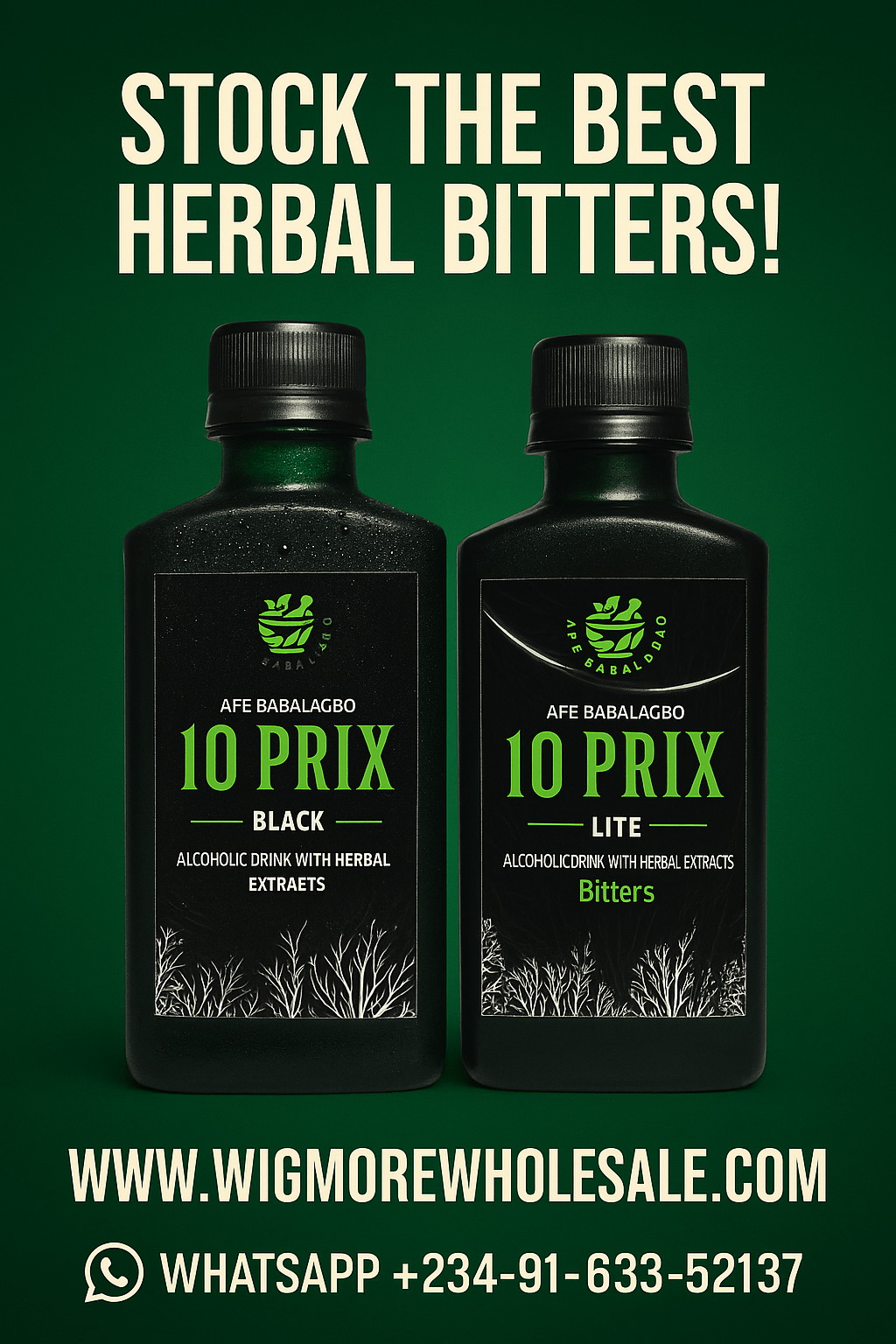
In Nigeria’s thriving herbal drink market, many people confuse bitters with herbal wine. While both products are rooted in traditional herbal formulations, they serve different purposes, target different consumers, and come in distinct alcoholic profiles and ingredient compositions.
Whether you’re a retailer, distributor, or health-conscious consumer, understanding the differences between bitters and herbal wine helps you make better purchase decisions, build the right product lineup, and serve the right audience.
What Are Bitters?
Bitters are herbal alcoholic (or sometimes non-alcoholic) formulations made by infusing roots, barks, spices, or herbal extracts into a concentrated liquid base—often used for wellness, digestion, or vitality.
Key Features:
-
✅ Usually bitter in taste
-
✅ Typically contain 30–40% alcohol (though some are non-alcoholic like Yoyo Bitters)
-
✅ Marketed for stamina, detox, and digestive aid
-
✅ Used as tonics or taken in small doses
-
✅ Often consumed before or after meals
Popular Bitters Brands in Nigeria:
-
10 PIX Bitters
-
Alomo Bitters
-
Orijin Bitters
-
Action Bitters
-
Yoyo Bitters (non-alcoholic)
What Is Herbal Wine?
Herbal wine, also called medicated wine or herbal-infused wine, is a milder herbal alcoholic beverage that combines fermented or fortified wine with traditional herbal blends. It has a sweeter and smoother profile than bitters and is typically consumed for relaxation or low-key wellness.
Key Features:
-
✅ Milder, sweeter, and more wine-like in taste
-
✅ Alcohol content usually ranges between 12–20%
-
✅ Marketed as a relaxing drink with herbal support
-
✅ Consumed in larger servings like regular wine
-
✅ Often used in social settings or daily sipping
Common Examples:
-
Alomo Herbal Wine (separate from Alomo Bitters)
-
Some local brands marketed as “medicated wine” or “tonic wine”
Key Differences at a Glance
| Feature | Bitters | Herbal Wine |
|---|---|---|
| Taste | Bitter, medicinal | Sweet, smooth, wine-like |
| Alcohol Content | 30–40% (stronger) | 12–20% (milder) |
| Use Case | Digestion, stamina, detox | Relaxation, mild wellness support |
| Serving Size | 1–2 shots (small dosage) | Glassful (like regular wine) |
| Market Appeal | Male-focused, wellness buyers | General adult drinkers |
| Shelf Placement | Pharmacies, herbal stores | Wine sections, supermarkets |
| Examples | 10 PIX, Action, Orijin, Yoyo | Alomo Herbal Wine, tonic wines |
Which Should You Stock or Distribute?
Both bitters and herbal wines sell well in Nigeria, but your choice depends on your audience:
| Target Market | Best Option |
|---|---|
| Wellness buyers, daily users | Bitters |
| Bars, parties, female consumers | Herbal wine |
| Pharmacies or herbal stores | Bitters |
| Supermarkets or wine shops | Herbal wine |
For a balanced product mix, many retailers stock both categories to serve wider demographics.
Where to Buy Bitters and Herbal Wines in Nigeria
Wigmore Trading is a trusted wholesaler of both bitters and herbal-infused drinks. We offer:
-
✅ NAFDAC-approved products
-
✅ Wholesale pricing on fast-moving brands
-
✅ Nationwide delivery within 24–72 hours
-
✅ Support for new resellers and distributors
-
✅ Flexible minimum order quantities
📞 Contact us today at +234-91-633-52137
🌐 Visit: www.wigmorewholesale.com
Wigmore Trading can help you source both bitters and herbal wine at competitive prices—whether you’re launching a retail shelf or stocking a nightlife venue.




Comments are closed.