
Steel Import from China to UK: Regulations, Costs and Logistics
Talk to us about this service
Trade, import, logistics, sourcing — whatever you're planning, the fastest way to a quote is a WhatsApp message. Our team replies during Lagos business hours.
WhatsApp usYour message tells us which page you came from
The steel import from China to UK remains a significant component of Britain’s construction, manufacturing, automotive, and infrastructure supply chains. China is one of the world’s largest steel producers, offering a broad range of grades and competitive pricing that attracts UK buyers seeking cost efficiency and volume availability.
However, importing steel into the UK involves more than negotiating price. Businesses must navigate customs procedures, anti-dumping regulations, product standards, shipping logistics, and currency risk. A structured approach to sourcing and compliance is essential to avoid delays, penalties, or unexpected costs.
This guide explains the key considerations for companies involved in steel import from China to UK, and how experienced trade partners such as Wigmore Trading can support a smooth and compliant supply chain.
Understanding the Steel Import from China to UK Market
The UK imports substantial volumes of steel products each year, including:
-
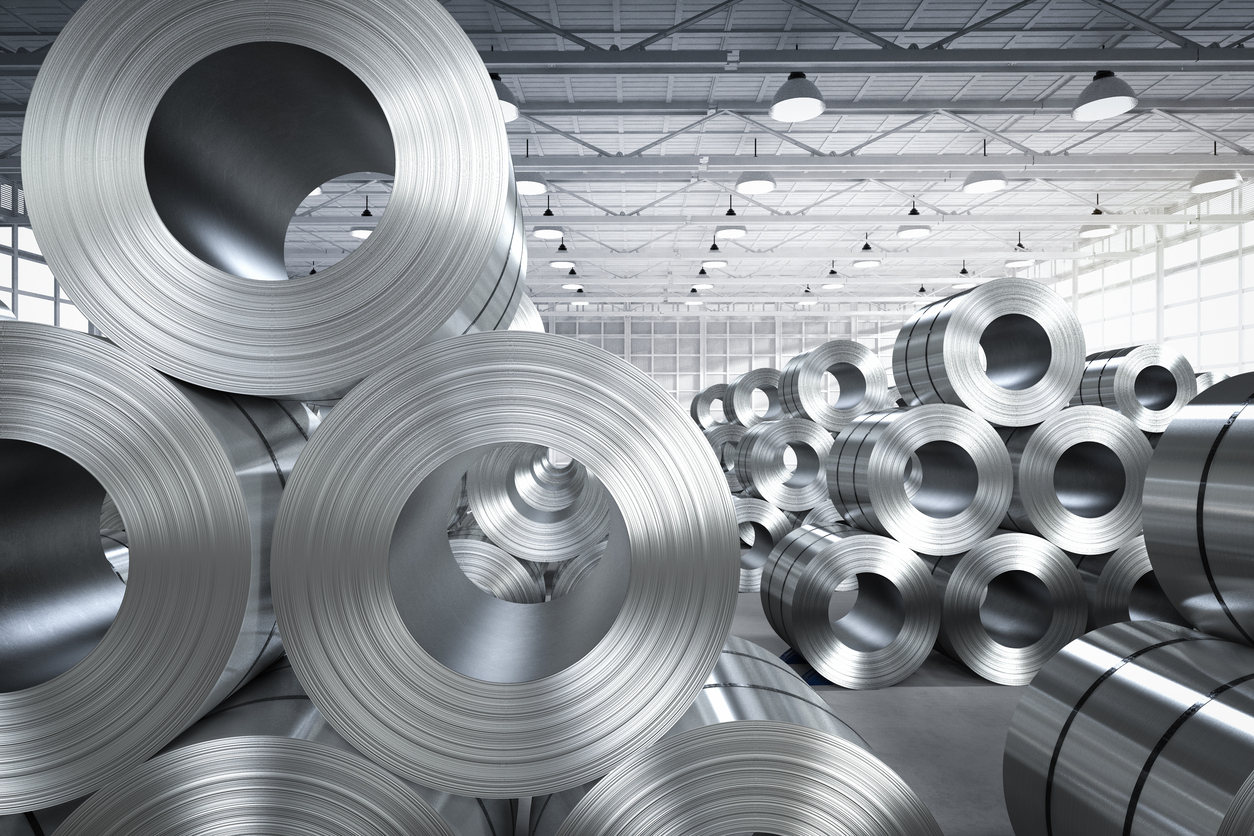
Hot-rolled and cold-rolled coils
-
Structural steel sections
-
Stainless steel products
-
Reinforcing bars (rebar)
-
Steel plates and sheets
-
Pipes and tubes
Chinese suppliers are often competitive in large-scale production and can provide customised specifications. However, UK importers must ensure that products meet British Standards (BS), European Norms (EN), and UKCA marking requirements where applicable.
Price advantages can be reduced quickly if compliance issues arise, so due diligence is critical before placing orders.
Trade Regulations and Anti-Dumping Measures
One of the most important aspects of steel import from China to UK is trade regulation. Steel is a strategically sensitive product, and the UK maintains safeguard measures and tariff rate quotas (TRQs) on certain categories.
Anti-dumping duties may apply depending on:
-
The type of steel product
-
The country of origin
-
Current UK Trade Remedies Authority (TRA) rulings
Importers must confirm the correct commodity (HS) code and determine whether safeguard duties or additional tariffs apply. Misclassification can lead to underpayment of duties, penalties, or goods being held at port.
Working with a knowledgeable import partner ensures that documentation is accurate and that the latest regulatory updates are considered before shipment.
Customs Clearance and Documentation Requirements
Proper documentation is central to a successful steel import from China to UK transaction. Required paperwork typically includes:
-
Commercial invoice
-
Packing list
-
Bill of lading
-
Certificate of origin
-
Mill test certificates
-
UKCA or CE conformity documentation (if required)
-
Import declaration (submitted via HMRC systems)
Steel products are often subject to strict quality and safety standards. Mill test certificates verify chemical composition and mechanical properties, which are essential for construction and engineering applications.
Errors or missing documentation can cause clearance delays and storage charges at UK ports. Experienced logistics and customs support can significantly reduce these risks.
Shipping and Logistics Considerations
Steel is heavy, bulky, and often shipped in large volumes. This makes freight planning a critical part of cost management.
Most steel imports from China to the UK move via ocean freight, typically in containers or as breakbulk cargo. The choice depends on the product type and shipment size. For example, coils and smaller consignments are often containerised, while oversized structural sections may be shipped as breakbulk.
Transit times generally range from 25 to 40 days, depending on the Chinese port of origin and the UK destination port. Delays can occur due to port congestion, customs inspections, or global freight disruptions.
Importers must also consider:
-
Marine insurance
-
Port handling charges
-
Inland transportation within the UK
-
Warehousing and storage
Wigmore Trading supports businesses by coordinating freight forwarding, customs clearance, and inland distribution, ensuring steel consignments move efficiently from port to final destination.
Quality Control and Supplier Verification
Quality assurance is a major concern in steel import from China to UK operations. Even minor deviations in composition or tensile strength can have serious implications for structural integrity or manufacturing performance.
Before shipment, importers should conduct:
-
Supplier audits
-
Pre-shipment inspections
-
Independent laboratory testing (if required)
Establishing long-term relationships with verified mills or authorised distributors reduces the risk of substandard material. Clear contractual specifications, including grade, tolerance levels, and certification requirements, should always be documented.
A sourcing partner with established supplier networks in China can help identify reliable producers and manage inspection processes, minimising commercial risk.
Managing Currency and Pricing Risk
Steel prices are influenced by global demand, raw material costs (such as iron ore and coking coal), energy prices, and geopolitical factors. Prices can fluctuate significantly between contract negotiation and shipment.
Additionally, steel import from China to UK transactions are typically priced in US dollars. UK buyers therefore face exchange rate exposure between USD and GBP.
To manage financial risk, businesses may consider:
-
Forward currency contracts
-
Fixed-price supply agreements
-
Flexible shipment scheduling
Careful financial planning ensures that landed cost calculations remain accurate and margins are protected.
Sustainability and Compliance Considerations
Environmental standards are becoming increasingly important in international steel trade. UK buyers may need to consider carbon footprint reporting, ESG compliance, and upcoming carbon border adjustment mechanisms.
Verifying production methods, energy sources, and emissions data from Chinese mills is becoming part of responsible procurement. Companies importing steel for large infrastructure or government projects may face additional reporting obligations.
An experienced import partner can help navigate these evolving compliance requirements while maintaining competitive sourcing strategies.
How Wigmore Trading Supports Steel Import from China to UK
Importing steel successfully requires coordination across sourcing, compliance, logistics, and distribution. Wigmore Trading works with UK businesses to streamline this process.
Support can include supplier identification, contract negotiation, freight coordination, customs clearance management, warehousing, and onward distribution. By integrating these services, businesses reduce administrative burden and minimise supply chain disruption.
Whether importing structural steel for construction projects or specialised grades for manufacturing, structured supply chain management improves reliability and cost control.
Conclusion
The steel import from China to UK offers strong commercial opportunities, particularly for businesses seeking competitive pricing and large-scale supply. However, regulatory complexity, trade remedies, logistics challenges, and quality assurance requirements demand careful planning.
Success depends on accurate product classification, compliance with UK standards, effective freight management, and robust supplier verification. With the right expertise and structured processes, companies can secure dependable steel supply while managing risk effectively.
Wigmore Trading can help. Contact Wigmore Trading today to streamline your sourcing.
No Comments Yet.

Comments are closed.