
How To Import Goods From Mauritania To Nigeria – The Ultimate Guide.

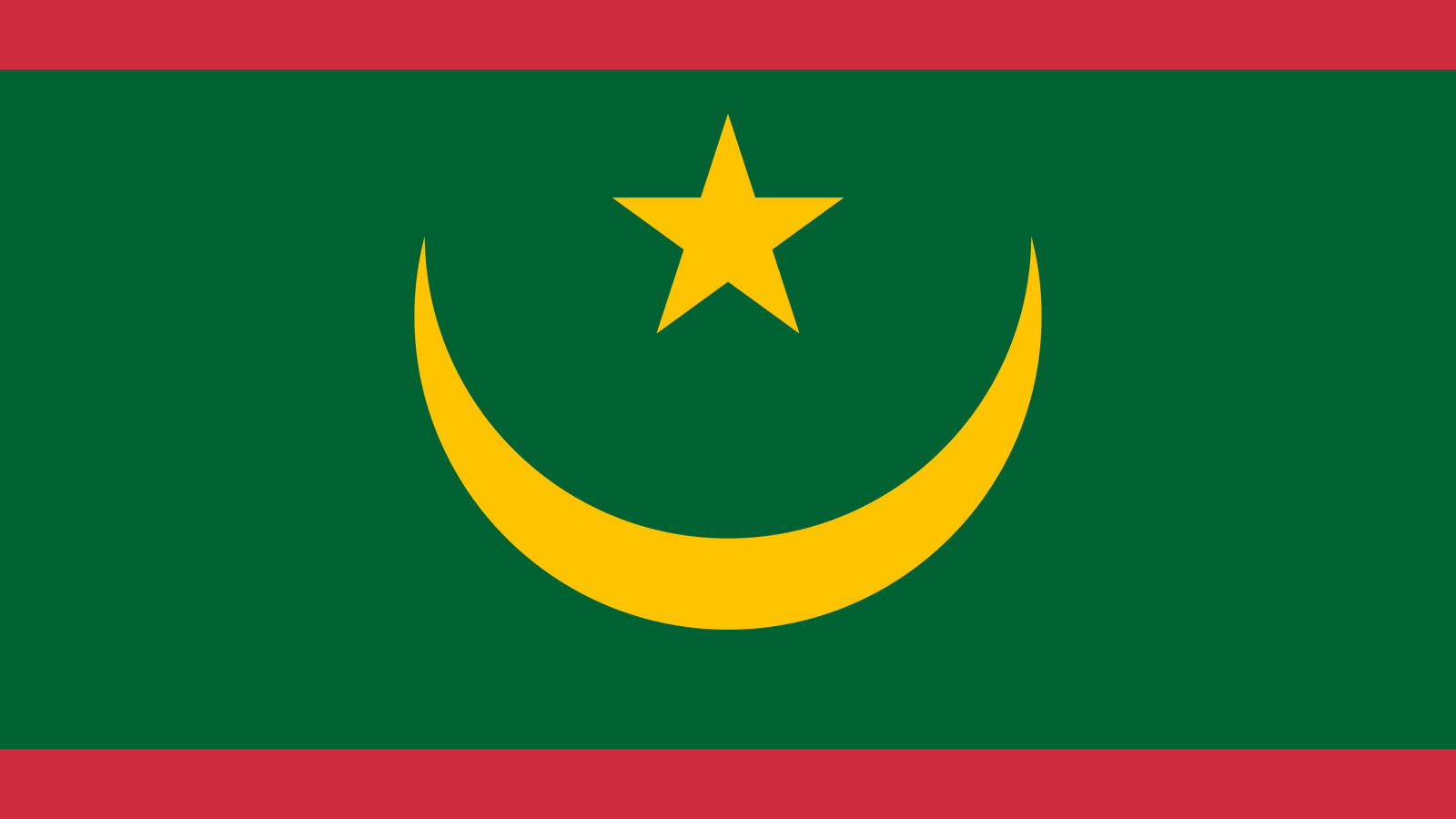
How To Import Goods From Mauritania To Nigeria – The Ultimate Guide.
Do you know that importing goods from Mauritania to Nigeria is not as easy as it seems. There are certain things that need to be considered before importing goods into Nigeria. This article will help you understand the importation process for goods from Mauritania to Nigeria. The first thing you need to do is find out what goods can be imported into Nigeria. You also need to take note of the import duties and taxes for these items, along with any other restrictions or prohibitions on importing them. While this article focuses on imports from Mauritania, the same rules apply for imports from other countries to Nigeria. As long as you know what should be done, it’s not difficult at all.
Importing Goods From Mauritania To Nigeria
The importation of goods from Mauritania to Nigeria is governed by the import policy of Nigeria. The country has a number of regulations on importing goods and it’s important to know the general guidelines before importing.
The first general rule is that certain goods can’t be imported into Nigeria. They may be restricted or prohibited items and if you’re not sure, you can refer to the Nigeria Customs Service website for details on imports. This includes some foods and consumables like fresh vegetables and fruits, dried fruits, dairy products, water and any alcoholic drinks including beer and wine. There are also restrictions on some textiles like jeans and any clothing with symbols or pictures of nudity or indecency printed on them.
Other items which cannot be imported include arms, ammunition, explosives and fireworks; hazardous chemicals for example paints, solvents, toiletries such as soaps or toothpastes; animal hides such as crocodile skin; flowers cut from plants without permission from the Nigerian government; meat cuts intended for human consumption which have been frozen in countries with animal diseases or pests.
There are also a number of restrictions on imports which depend on the type of good being imported:
-Plants must come with either a phytosanitary certificate
What Can Be Imported Into Nigeria?
Goods that can be imported into Nigeria are listed under the headings of prohibited imports, restricted imports, and special imports. The first two categories are allowed entry to Nigeria subject to import duties and taxes, while special imports require clearance from the Nigerian Customs Service before they can enter Nigeria.
For example, such special items as live animals (excluding dogs and cats) and foodstuffs for human consumption will need clearance before they can enter Nigeria.
Which Countries Can I Import Goods From?
Most countries can import goods from Nigeria with few restrictions. Goods that originate from Mauritania and other countries outside of the Economic Community of West African States (ECOWAS) are subject to import duties and taxes in Nigeria.
The Nigerian Custom Service (NCS) provides a list of items that cannot be imported into Nigeria. They include:
*Biological substances such as animal or plant life, human or animal blood, human or animal semen, bone marrow, erythrocytes, cells and embryos
*Chemicals such as explosives
*Goods bearing offensive messages
*Hazardous items such as radioactive substances, corrosive liquids and solids; bleaching agents; herbicides
How To Determine What Should Be Included In The Bill of Lading For Customs Clearance.
The Bill of Lading is a document that contains important information about the goods being transported. This document may also contain handwritten notes which are not legible to the naked eye.
It is important to note that this document must be accurate and truthful in all matters, especially when it comes to the description of the goods being shipped. This is a requirement from The Nigerian Customs Service (NCS).
In addition, there are times when the information on the Bill of Lading does not match what is listed on the commercial invoice or packing list. In such cases, it’s necessary for both documents to state the same thing. Failure to do so might result in rejection at customs clearance.
To avoid this from happening, it’s important that you carefully read and understand all information provided on these documents before shipping your goods from Mauritania to Nigeria.
Conclusion
This article is to give information on importing goods from Mauritania to Nigeria. It talks about what can be imported into Nigeria, which countries can be imported from, how to figure out what should be included in the Bill of Lading for customs clearance.





LEAVE A COMMENT
You must be logged in to post a comment.