
The Complete Guide to Export from Ghana Without Breaking the Bank

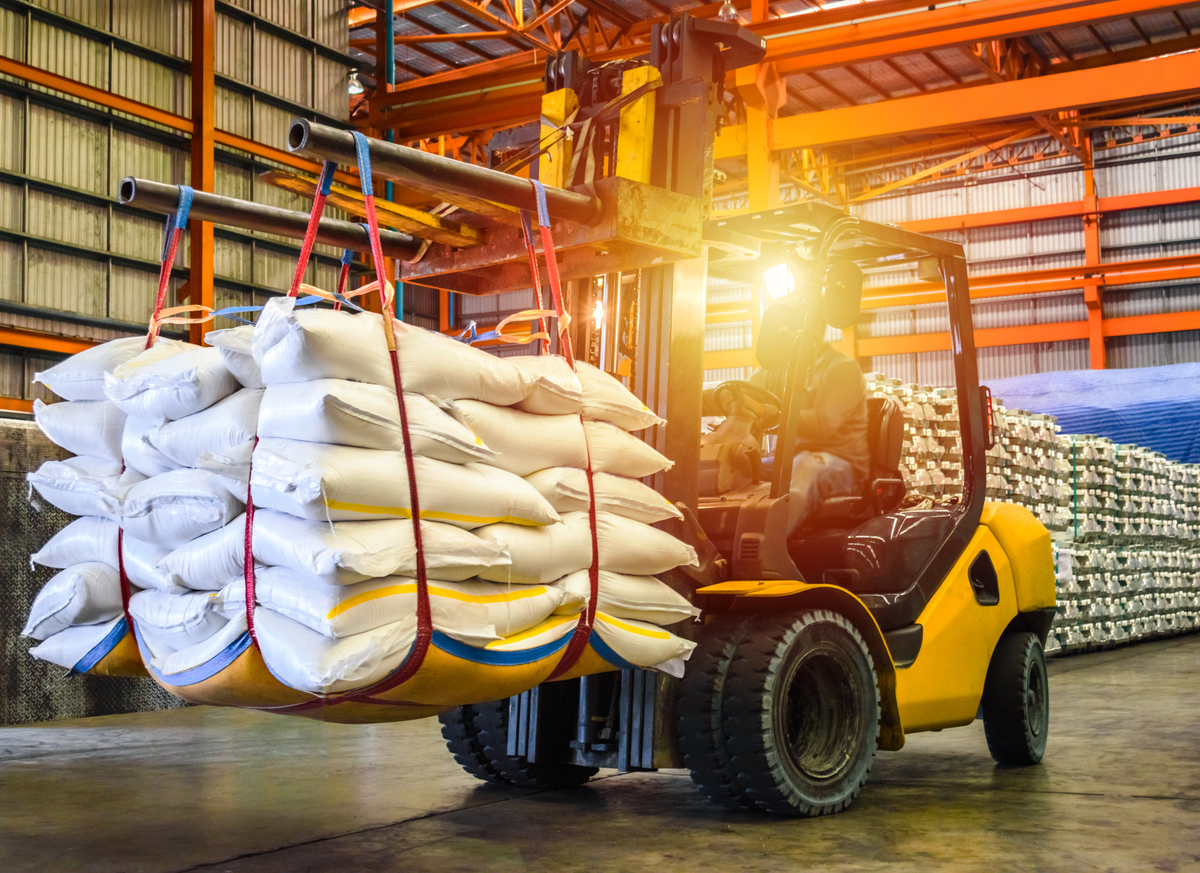
Ghana has become a pivotal hub for businesses involved in African trade, especially in sectors like FMCG, wholesale distribution, and import/export logistics. However, companies looking to export from Ghana have recently faced increasing costs due to global supply chain challenges, regulatory changes, and currency fluctuations. Understanding these dynamics is critical for businesses to maintain profitability and efficiency.
Key Factors Driving Cost Increases in Export from Ghana
Several factors contribute to the rising costs of exporting goods from Ghana:
-
Global Supply Chain Disruptions – Delays at ports and shortages of shipping containers have increased freight costs. Companies exporting goods from Ghana may face longer lead times and higher shipping fees, particularly for products destined for Europe and North America.
-
Currency Volatility – The Ghanaian cedi has experienced fluctuations against major currencies. This volatility affects both the cost of goods for export and the pricing strategies for international buyers.
-
Regulatory and Compliance Costs – Exporting requires strict adherence to Ghanaian customs regulations, export documentation, and standards compliance. Changes in export tariffs, inspection fees, or export bans on certain commodities can add to operational costs.
-
Rising Domestic Production Costs – Local production inputs, such as agricultural raw materials or packaging supplies, have increased in price. This directly impacts businesses exporting products like cocoa, shea butter, and processed foods.
Strategies to Mitigate Costs When Exporting from Ghana
Businesses looking to export from Ghana can adopt practical measures to manage rising costs:
-
Optimize Supply Chains – Partner with reliable logistics providers who can ensure timely shipments and better freight rates. Wigmore Trading can help connect exporters with trusted transport and logistics solutions.
-
Leverage Bulk Exporting – Consolidating shipments reduces per-unit costs and minimizes the impact of freight fluctuations.
-
Currency Hedging and Payment Terms – Engage in contracts or financial instruments that protect against currency risks. Negotiating favorable payment terms with international buyers can also mitigate exposure to exchange rate fluctuations.
-
Stay Compliant and Informed – Understanding Ghana’s export regulations and anticipating policy changes helps avoid unexpected fees. Wigmore Trading offers guidance to ensure all documentation and compliance requirements are met efficiently.
Export from Ghana: Opportunities Despite Cost Challenges
While costs are rising, export from Ghana still presents significant opportunities:
-
High-Quality Commodities – Products such as cocoa, gold, cashew nuts, and processed food items remain in high demand globally.
-
Growing African Trade Networks – Ghana’s strategic location and trade agreements with neighboring countries create easier access to regional markets.
-
Brand Differentiation – Businesses that emphasize quality, sustainability, and ethical sourcing can command premium pricing in international markets.
By strategically managing costs, companies can continue to thrive in the export sector and expand their global footprint.
How Wigmore Trading Supports Exporters from Ghana
Navigating the complexities of exporting from Ghana requires expertise and reliable partners. Wigmore Trading provides solutions to streamline sourcing, manage logistics, and maintain regulatory compliance. Whether you are exporting FMCG, raw materials, or manufactured goods, our team can help optimize your operations and reduce unnecessary expenses.
Contact Wigmore Trading today to streamline your export processes and maintain competitiveness in global markets.





Comments are closed.