

Why Ghana Manufacturing Is Less Competitive in 2025

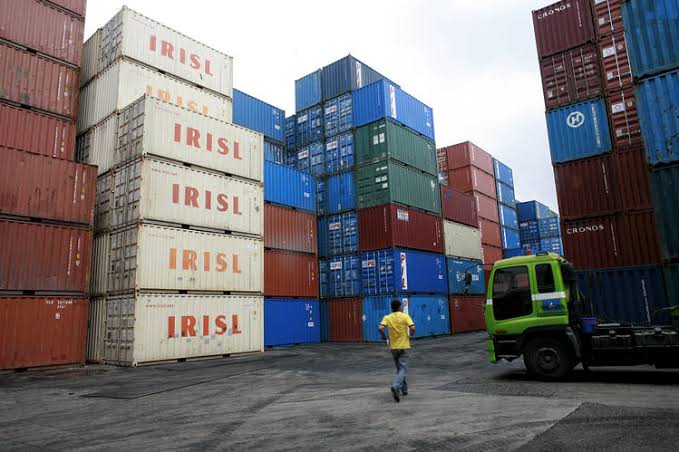
Ghana’s manufacturing sector has long been a vital contributor to the nation’s economy, supporting job creation, local sourcing, and regional trade. However, in 2025, many businesses face the reality that Ghana manufacturing is less competitive, driven by rising production costs, energy challenges, and global market pressures. Understanding these factors is crucial for manufacturers, importers, and investors looking to maintain efficiency and profitability.
Factors Behind Ghana Manufacturing Being Less Competitive in 2025
Several challenges have contributed to the decreased competitiveness of Ghana’s manufacturing sector:
-
Rising Production Costs – Increases in electricity tariffs, raw material prices, and labor costs have made local manufacturing less cost-efficient compared to regional competitors.
-
Supply Chain Constraints – Delays in importing machinery, spare parts, and other essential inputs affect production timelines and output quality.
-
Limited Access to Finance – Smaller manufacturers often struggle to access affordable credit, hindering their ability to invest in modernization or scale operations.
-
Regulatory Complexity – Complex licensing, tax policies, and import/export regulations can slow down production processes and reduce market competitiveness.
-
Global Competition – Imported goods from Asia and Europe often enter Ghana at lower prices, putting local manufacturers at a disadvantage in pricing and quality perception.
Strategies to Improve Competitiveness in Ghana Manufacturing
Despite these challenges, businesses can adopt several strategies to remain competitive:
-
Invest in Efficiency and Technology – Upgrading machinery, adopting automation, and optimizing production workflows can reduce unit costs and increase output. Wigmore Trading can help connect manufacturers with reliable suppliers of industrial equipment and raw materials.
-
Diversify Sourcing and Supply Chains – Relying on multiple suppliers, both locally and regionally, can minimize production delays and cost spikes.
-
Leverage Local and Regional Trade Agreements – Businesses can explore opportunities under ECOWAS and other trade frameworks to expand markets while reducing tariffs.
-
Enhance Skills and Workforce Training – Upskilling employees improves productivity, reduces errors, and increases overall competitiveness.
-
Adopt Sustainable Practices – Energy-efficient processes and eco-friendly production can reduce long-term costs and appeal to global buyers who prioritize sustainability.
The Opportunity for Businesses Despite Reduced Competitiveness
Even with challenges, Ghana’s manufacturing sector still holds opportunities for strategic players:
-
Growing Domestic Demand – Local consumption is increasing for food, beverages, textiles, and consumer goods.
-
Regional Export Potential – West African markets offer opportunities for manufacturers who can balance quality and cost-efficiency.
-
Brand Differentiation – Emphasizing “Made in Ghana” as a mark of quality and ethical production can create premium positioning in certain market segments.
Wigmore Trading can help businesses navigate these challenges, identify reliable suppliers, and implement strategies that reduce costs and improve production efficiency.
Contact Wigmore Trading today to optimize your manufacturing operations and maintain competitiveness in 2025.






Comments are closed.