

Ghana as West Africa’s Trade Hub: Driving Regional Growth and Opportunity

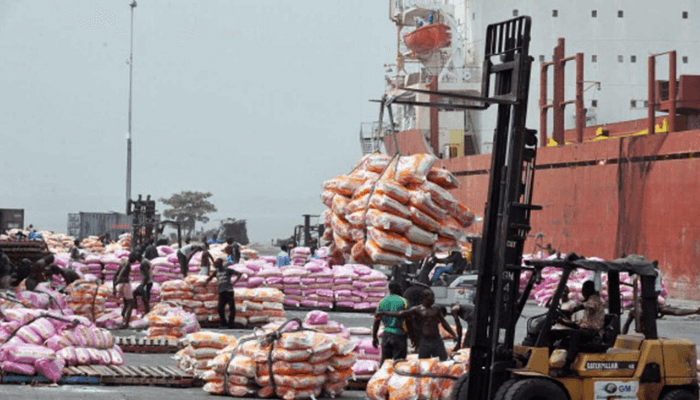
Ghana has become one of West Africa’s most powerful trade centers, drawing attention from international businesses, logistics firms, and investors. Thanks to its stable economy, modern infrastructure, and strong government support, Ghana now stands out as a major connection point between African markets and the rest of the world. For companies involved in import, export, or wholesale trade, understanding Ghana’s growing influence as a trade hub is essential.
Why Ghana Is Emerging as West Africa’s Trade Hub
Ghana’s location gives it a natural advantage in trade. Sitting between Côte d’Ivoire, Togo, and Burkina Faso, and bordered by the Atlantic Ocean, it provides easy access to landlocked and coastal countries alike.
The Port of Tema one of the busiest ports in sub-Saharan Africa serves as a major entry and exit point for goods moving across West Africa. Combined with improvements in customs operations and digital trade systems, Ghana offers faster and more reliable shipping options compared to many neighboring countries.
For global importers and distributors, this efficiency makes Ghana the perfect entry point for trade across West Africa.
How Ghana’s Infrastructure Supports Its Role as a Trade Hub
Ghana’s steady investment in infrastructure has strengthened its position as West Africa’s trade hub. The Port of Tema expansion and upgrades at Kotoka International Airport have significantly boosted the country’s logistics and cargo capacity.
Connecting West Africa Through Roads and Rail
Projects like the Ghana–Burkina Faso railway and major highway upgrades have made it easier for trucks and cargo to move between the coast and inland regions. This improves trade speed and lowers costs — especially important for businesses dealing in fast-moving consumer goods (FMCG), food products, or manufacturing materials.
Government Support Boosting Ghana as West Africa’s Trade Hub
The Ghanaian government has been proactive in promoting industrialization and trade-friendly policies. Initiatives such as “One District, One Factory” encourage local production, while free trade zones attract both foreign and domestic investors.
Ghana also hosts the African Continental Free Trade Area (AfCFTA) Secretariat in Accra, showing its central role in Africa’s push toward unified trade. This gives companies based in Ghana better access to other African markets with fewer tariffs and simplified customs processes.
For businesses aiming to expand across the continent, operating from Ghana provides a competitive advantage and easier market entry.
Key Industries Powering Ghana’s Position as a Trade Hub
Agriculture and Commodities
Ghana is one of the world’s top cocoa producers and a major exporter of cashew nuts, shea butter, and palm oil — all vital commodities in regional and global markets.
Mining and Energy
The country’s gold, oil, and gas industries attract investment and create consistent export opportunities.
FMCG and Manufacturing
Local production in packaged foods, beverages, and consumer goods continues to grow, supplying not just Ghana but surrounding countries.
Technology and Logistics
Innovation in logistics technology and digital trade platforms is making trade faster and more transparent, helping businesses track shipments and cut costs.
Challenges Ghana Faces as West Africa’s Trade Hub and How to Overcome Them
Even as Ghana strengthens its trade network, it faces challenges such as fluctuating currency values, occasional port delays, and high import duties. These can impact profits if not managed well.
However, ongoing reforms including customs digitization, tax adjustments, and trade finance initiatives are helping improve the situation. The key for businesses is to work with reliable local partners who understand market realities and can help navigate these issues effectively.
Wigmore Trading helps international companies minimize these risks through professional sourcing, local expertise, and dependable logistics solutions.
The Future of Ghana as West Africa’s Trade Hub
Ghana’s trade influence will only continue to grow. With ongoing investment in renewable energy, manufacturing, and digital infrastructure, the country is set to remain a major gateway to West Africa.
As regional trade expands under AfCFTA, Ghana will play an even more vital role in connecting African producers with international buyers and distributors. Businesses that invest now will gain early access to a rapidly growing market.
How Wigmore Trading Supports Businesses in Ghana and West Africa
Wigmore Trading plays an active role in supporting companies that want to take advantage of Ghana’s growing trade potential. With years of experience in import, export, and wholesale distribution, Wigmore provides tailored solutions for businesses operating within and beyond Ghana.
Our Core Services Include:
-
Product Sourcing and Supply: Helping companies find reliable manufacturers and suppliers across Africa, Europe, and Asia.
-
Warehousing and Distribution: Managing inventory and ensuring smooth movement of goods throughout Ghana and neighboring countries.
-
Freight and Logistics Solutions: Coordinating sea, air, and land shipments to reduce delays and minimize costs.
-
Export Management: Assisting businesses in navigating customs, documentation, and compliance for cross-border trade.
By leveraging Ghana’s strong infrastructure and strategic location, Wigmore Trading helps international businesses expand into West African markets confidently and efficiently.
Get in touch with our team to learn how we can streamline your sourcing, shipping, and trade operations across Ghana and beyond






Comments are closed.