
Pepper Spray vs Taser in Nigeria: Legal, Practical, and Safety Considerations
Talk to us about this service
Trade, import, logistics, sourcing — whatever you're planning, the fastest way to a quote is a WhatsApp message. Our team replies during Lagos business hours.
WhatsApp usYour message tells us which page you came from
Personal safety is an increasing concern for individuals and businesses operating in Nigeria’s urban and commercial environments. From logistics operators to field agents and retail distributors, ensuring staff safety is critical. Two commonly discussed self-defence tools are pepper spray and tasers. However, understanding their legality, effectiveness, and suitability in Nigeria is essential before making any decision.
This article explores pepper spray vs taser in Nigeria, focusing on legal frameworks, practical use cases, and considerations for businesses and individuals.
Understanding Pepper Spray and Tasers
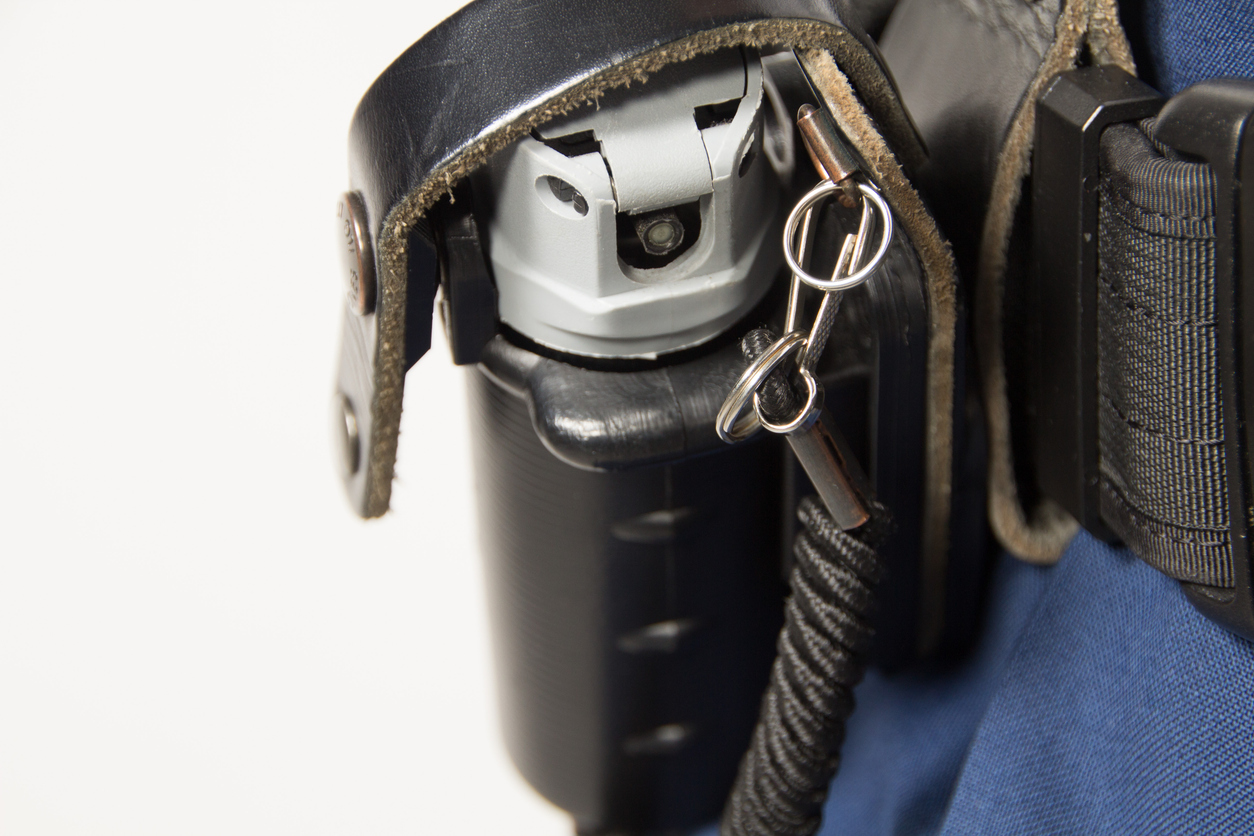
Pepper spray is a handheld aerosol device that releases a chemical irritant (oleoresin capsicum), causing temporary blindness, breathing difficulty, and intense discomfort. It is designed to incapacitate an attacker long enough for the user to escape.
A taser, on the other hand, is an electroshock weapon that delivers an electric current to disrupt voluntary muscle control. It can immobilise a target temporarily but requires more precision and training to use effectively.
While both tools serve the same purpose—self-defence—their application, accessibility, and legal status differ significantly in Nigeria.
Legal Status of Pepper Spray vs Taser in Nigeria
Understanding Nigerian law is crucial when comparing these tools.
Pepper Spray Regulations
Pepper spray exists in a legal grey area in Nigeria. It is not explicitly classified as a prohibited firearm or weapon under most existing laws. However, misuse—such as deploying it offensively or in public disturbances—can result in legal consequences under assault or public safety laws.
For businesses, especially those in logistics or field operations, this means pepper spray may be considered for controlled internal use, provided there are clear policies, training, and compliance with local regulations.
Taser Restrictions
Tasers are more strictly controlled. They are generally classified alongside prohibited or restricted weapons due to their electroshock capability. Importing, distributing, or possessing a taser without proper authorisation can lead to legal penalties.
For companies operating in Nigeria, especially in import/export or wholesale distribution, handling such restricted items without compliance clearance can disrupt operations and expose the business to regulatory risks.
Practical Comparison: Pepper Spray vs Taser in Nigeria
Ease of Use
Pepper spray is relatively simple to use and requires minimal training. It is lightweight, portable, and can be quickly deployed in high-risk situations such as last-mile delivery or field sales operations.
Tasers require more training and accuracy. Misuse or incorrect handling can reduce effectiveness or even pose safety risks to the user.
Accessibility and Cost
Pepper spray is generally more accessible and affordable. While sourcing must still be done carefully, it is easier to procure through compliant channels.
Tasers are harder to source legally in Nigeria due to import restrictions and regulatory controls. This makes them less practical for widespread use, particularly for businesses with multiple field personnel.
Effectiveness in Real-World Scenarios
Pepper spray is effective in creating a barrier between the user and the attacker, allowing for quick escape. It is particularly useful in crowded or unpredictable environments.
Tasers can be highly effective when used correctly but may fail if the probes do not make proper contact. Environmental factors such as clothing or distance can affect performance.
For logistics and distribution businesses operating across Nigeria, reliability in diverse conditions is a key consideration.
Business Considerations for Safety Equipment
Companies operating in sectors such as FMCG distribution, import/export, and logistics must balance safety with compliance.
When evaluating pepper spray vs taser in Nigeria, businesses should consider:
- Regulatory compliance and import restrictions
- Staff training requirements
- Risk exposure in specific operational areas
- Supply chain sourcing reliability
This is where working with an experienced partner becomes valuable.
Wigmore Trading supports businesses in sourcing compliant products, navigating import regulations, and managing supply chains across Nigeria and West Africa. For companies exploring safety equipment or related operational tools, ensuring proper documentation and legal alignment is essential to avoid disruptions.
Safer Alternatives and Broader Security Strategies
While personal defence tools can provide an added layer of protection, businesses should also invest in broader security strategies:
- Route planning and risk assessment for logistics teams
- Use of tracking and communication technology
- Staff safety training and emergency protocols
- Collaboration with licensed security providers
A comprehensive approach is often more effective than relying solely on individual defence tools.
Conclusion
When comparing pepper spray vs taser in Nigeria, pepper spray is generally more practical, accessible, and legally manageable, especially for individual and business use. Tasers, while effective, face stricter legal controls and operational limitations.
For businesses, the focus should not only be on the tool itself but also on compliance, training, and integration into a wider safety strategy.
Wigmore Trading can help.
Contact Wigmore Trading today to streamline your sourcing.
No Comments Yet.




Comments are closed.