

Food Preservation Industries in Nigeria: Ensuring Quality and Safety

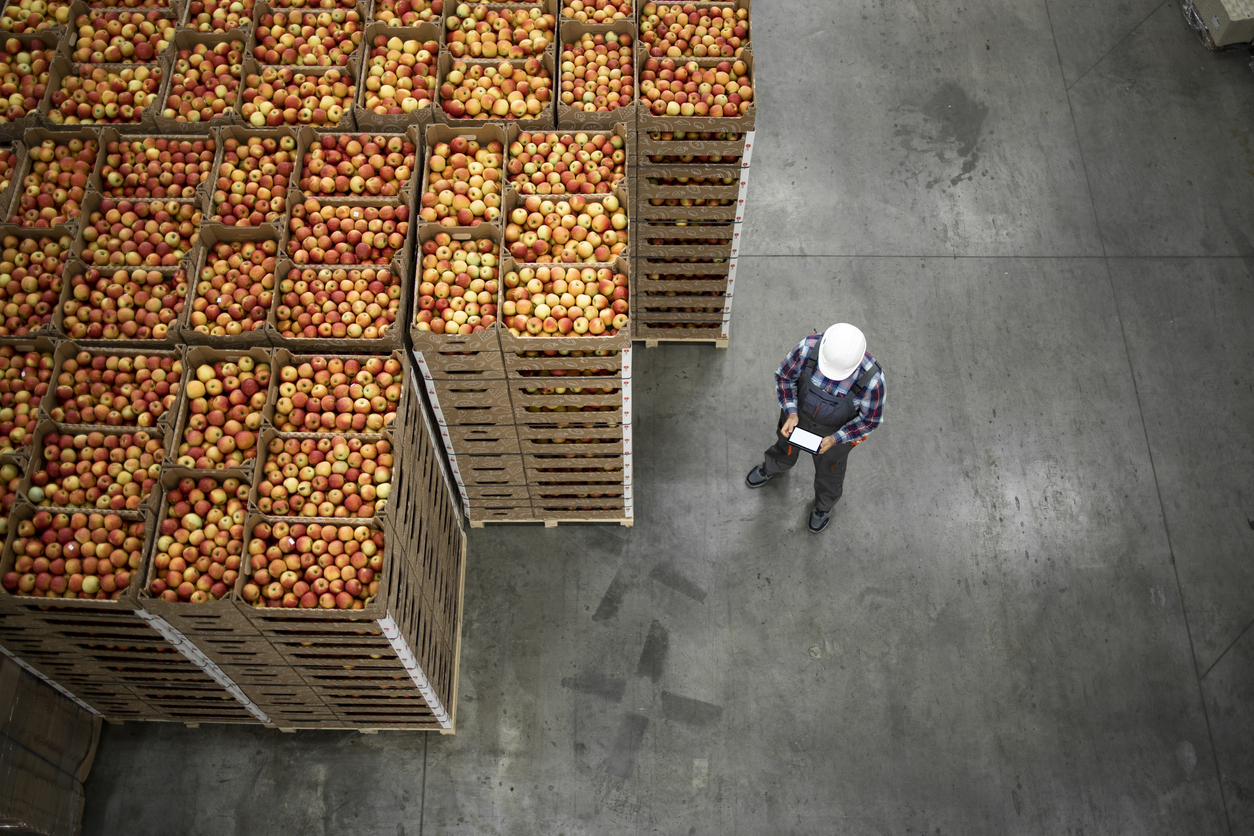
Food preservation plays a critical role in Nigeria’s growing food industry. As the country continues to expand its food processing and distribution networks, the need for efficient food preservation industries becomes even more crucial. Proper preservation ensures longer shelf life, reduces post-harvest losses, and maintains the nutritional quality of products.
The Importance of Food Preservation Industries in Nigeria
Nigeria’s diverse climate and population growth have amplified the need for food preservation industries. Without effective preservation methods, perishable goods like fruits, vegetables, dairy, and meat are prone to spoilage. This impacts not only local markets but also export opportunities for Nigerian food products.
Key benefits of food preservation industries include:
-
Reducing Food Waste: By extending shelf life, preservation minimizes losses along the supply chain.
-
Enhancing Food Safety: Preserved food reduces the risk of contamination, ensuring safe consumption.
-
Supporting Exports: Proper preservation meets international standards, increasing Nigeria’s competitiveness in global markets.
Common Food Preservation Methods in Nigeria
Food preservation industries in Nigeria employ various methods to ensure product quality. Some widely used techniques include:
1. Refrigeration and Cold Storage
Cold storage and refrigeration systems are essential for perishable goods. Industries that rely on fresh produce, dairy, and seafood benefit from advanced refrigeration solutions that maintain optimal temperature and humidity levels.
2. Canning and Packaging
Canning is widely used in Nigeria for vegetables, fruits, and processed foods. Proper packaging techniques help prevent microbial growth and preserve nutrients, making products safe for longer periods.
3. Drying and Dehydration
Drying and dehydration remove moisture from food, inhibiting bacterial growth. This method is commonly applied to grains, spices, and fruits, allowing Nigerian producers to store products efficiently and export them internationally.
4. Chemical Preservation
Using approved food-grade preservatives can extend shelf life for certain products. These solutions are effective for jams, sauces, and beverages while ensuring compliance with food safety standards.
Challenges Facing Food Preservation in Nigeria
Despite growth, Nigeria’s food preservation sector faces challenges that can affect efficiency:
-
Inconsistent Power Supply: Refrigeration and cold storage heavily rely on electricity.
-
Limited Access to Advanced Equipment: Some local producers struggle to access modern preservation technologies.
-
Training and Expertise: Skilled personnel are needed to operate and maintain preservation systems effectively.
Practical solutions include investing in reliable generators, sourcing modern preservation equipment, and providing training for staff. Wigmore Trading can assist businesses in acquiring the right tools and solutions to overcome these challenges.
Opportunities for Food Industries in Nigeria
With Nigeria’s food processing sector expanding, food preservation industries have significant growth opportunities:
-
Export-Oriented Production: Proper preservation increases Nigeria’s ability to meet international quality standards.
-
Value Addition: Preserved foods can be processed into ready-to-eat products, boosting profitability.
-
Technology Integration: Implementing automated storage and preservation systems enhances efficiency and reduces losses.
Wigmore Trading helps Nigerian businesses explore these opportunities by connecting them with trusted suppliers and industry solutions.
Conclusion
Food preservation industries in Nigeria are vital for ensuring food safety, reducing waste, and supporting economic growth. By adopting modern preservation techniques and reliable solutions, businesses can maximize efficiency and profitability. Wigmore Trading can help businesses access the equipment, expertise, and guidance they need to succeed in Nigeria’s food preservation sector.






Comments are closed.