
How to Avoid US Import Tariffs: Smart Strategies for Global Traders

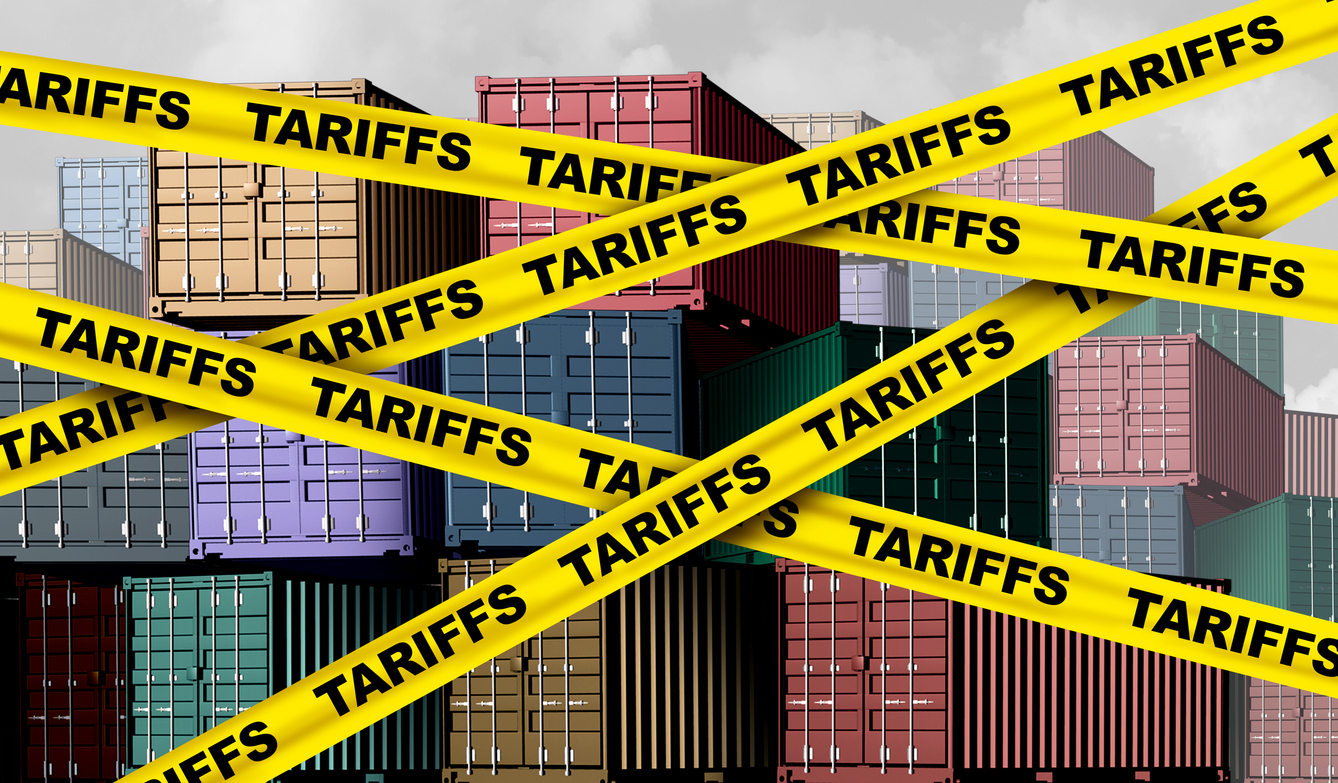
Navigating US import tariffs can be a major challenge for businesses importing goods into the United States. Tariffs directly affect product costs, profit margins, and overall competitiveness. Whether you’re importing electronics, food products, or raw materials, understanding how to avoid US import tariffs can save your business thousands of dollars annually.
At Wigmore Trading, we help importers and distributors develop efficient sourcing strategies that reduce costs, ensure compliance, and keep supply chains running smoothly.
Understanding US Import Tariffs
Import tariffs are taxes imposed by the US government on foreign goods entering the country. They are designed to protect domestic industries and control trade balance. Tariffs vary depending on product category, country of origin, and current trade policies.
However, high tariffs can disrupt operations for international businesses. Knowing how these charges are calculated and where exemptions apply is the first step to managing them effectively.
1. Use Free Trade Agreements (FTAs)
One of the most effective ways to avoid or reduce US import tariffs is through Free Trade Agreements (FTAs). The United States has trade agreements with multiple countries, such as the USMCA (United States-Mexico-Canada Agreement) and others that allow duty-free imports for eligible goods.
Businesses should verify whether their products qualify under any active FTA. For example, goods produced in Mexico or Canada under USMCA may enter the US duty-free if they meet the rules of origin.
Wigmore Trading can help businesses source from regions that fall under beneficial trade agreements, helping them minimize tariff exposure and maintain cost-effective imports.
2. Consider Tariff Engineering
Tariff engineering involves designing or modifying a product to fit into a tariff classification with lower import duties. For instance, altering the composition or assembly process of a product can sometimes qualify it for a lower tariff bracket.
This approach requires a deep understanding of the US Harmonized Tariff Schedule (HTS) and strict compliance with customs regulations. Wigmore Trading partners with experienced suppliers and logistics experts to help clients navigate these technical classifications safely and legally.
3. Use Foreign Trade Zones (FTZs)
Another powerful way to reduce US import tariffs is by using Foreign Trade Zones (FTZs). These are designated areas within the United States where imported goods can be stored, processed, or manufactured without immediate customs duties.
Tariffs are only applied when products leave the FTZ for US consumption. If goods are re-exported from the zone, no US import tariff is paid.
For global importers, FTZs can drastically reduce operational costs and improve cash flow management. Wigmore Trading can advise importers on establishing efficient FTZ-based logistics strategies for long-term savings.
4. Re-export or Transshipment Strategies
If your products are temporarily imported into the US for assembly, testing, or packaging, you might be eligible for duty drawback programs—a refund of tariffs paid when goods are re-exported.
Companies that utilize transshipment hubs in countries with favorable trade agreements can also reduce their exposure to tariffs. Wigmore Trading’s global sourcing network allows importers to take advantage of strategic routes and intermediary markets for optimized cost efficiency.
5. Classify Products Accurately
Incorrect classification of imported goods often leads to overpayment of tariffs or penalties. Always ensure the HS codes (Harmonized System codes) used for customs declarations are accurate and updated.
Working with experienced logistics and sourcing partners like Wigmore Trading ensures proper documentation and classification, helping you avoid unnecessary duties and compliance issues.
6. Source Strategically Through Trusted Partners
The smartest way to avoid high US import tariffs is to work with trusted sourcing and trade experts who understand international markets. Wigmore Trading provides reliable import-export solutions, connecting businesses with verified suppliers and offering strategies that minimize costs while ensuring quality and compliance.
From product sourcing and documentation to shipment coordination, Wigmore Trading helps businesses reduce tariff impact and maintain profitability in a competitive global market.
Conclusion
While US import tariffs are an inevitable part of international trade, strategic planning can significantly reduce their impact. By leveraging free trade agreements, FTZs, tariff engineering, and expert sourcing partners, importers can maintain efficiency and cost control.
Contact our team today to learn more about how we can help your business streamline sourcing and reduce import tariffs effectively.






Comments are closed.