

Top Reasons to Invest in African Infrastructure Bonds Today

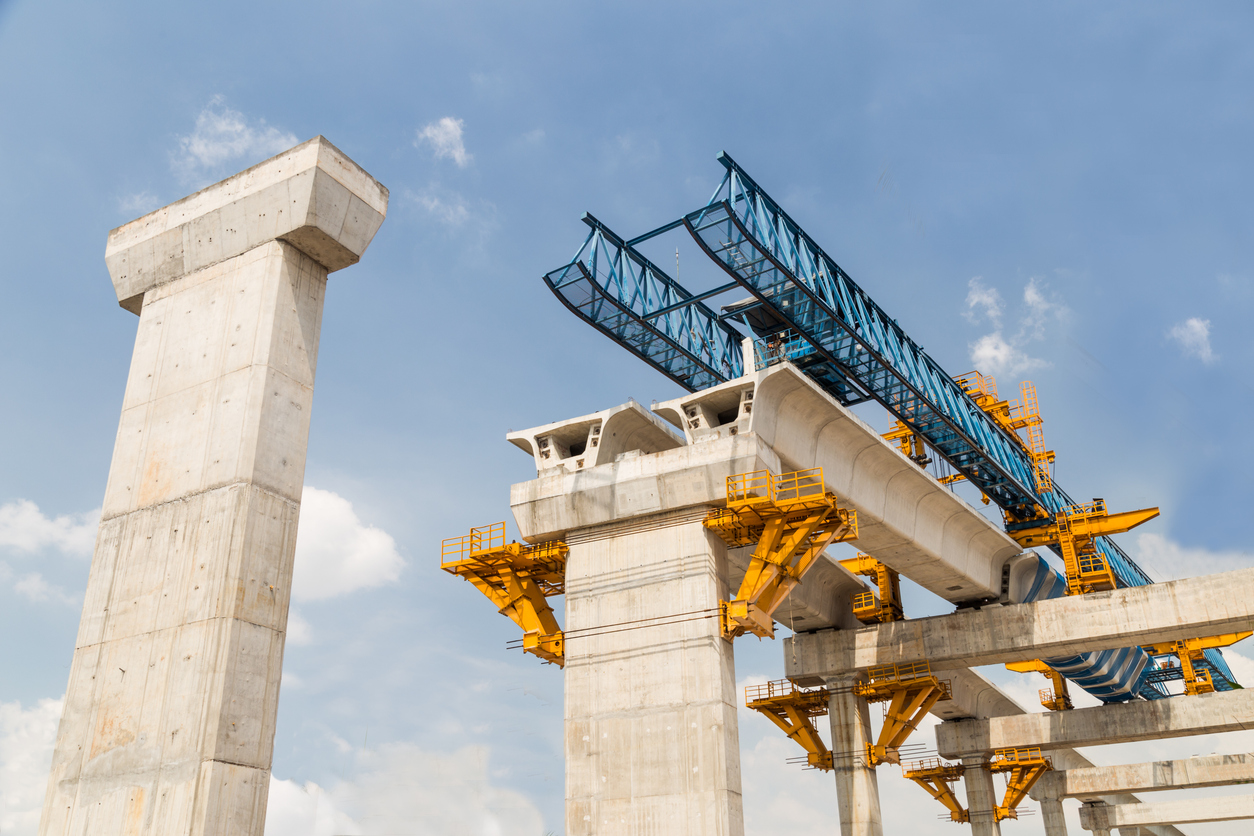
African infrastructure bonds are debt instruments issued by governments or corporations to finance major public projects—such as roads, energy systems, ports, and digital networks—across the continent. These bonds not only attract investors seeking stable, long-term returns but also play a pivotal role in funding Africa’s economic growth.
With Africa’s infrastructure deficit estimated at over $100 billion annually, the demand for private investment has never been greater. Infrastructure bonds provide a structured and transparent mechanism for channeling funds into critical development projects—making them an increasingly attractive asset class for institutional and private investors alike.
Why Investors Are Turning to African Infrastructure Bonds
The appeal of investing in African infrastructure bonds lies in the continent’s growth potential and the rising need for modern facilities to support trade, industrialization, and sustainable development. These bonds often offer competitive yields compared to developed markets, while supporting tangible economic progress.
African governments are actively promoting infrastructure bond issuance to attract both domestic and foreign investors. For example, countries such as Nigeria, Kenya, and Ghana have successfully issued infrastructure bonds to finance roads, railways, and renewable energy projects. Investors not only benefit from potential financial returns but also contribute to long-term social and economic transformation.
The Role of Infrastructure Bonds in Africa’s Development
Infrastructure bonds fund essential projects that improve living standards, promote job creation, and strengthen trade connectivity. Roads reduce logistics costs, ports enhance export efficiency, and energy investments power industrial growth. As these projects are realized, they stimulate local economies and drive cross-border trade—areas where Wigmore Trading plays a significant role through its import, export, and logistics expertise.
Wigmore Trading understands the link between infrastructure investment and trade efficiency. With better roads and transport systems, the cost of moving goods across African borders decreases significantly—creating new opportunities for suppliers, distributors, and businesses seeking access to emerging markets.
Benefits of Investing in African Infrastructure Bonds
Investing in infrastructure bonds in Africa offers several key advantages:
- Attractive Yields: Compared to global fixed-income markets, African infrastructure bonds often provide higher interest rates.
- Portfolio Diversification: These bonds give investors exposure to fast-growing economies and emerging sectors.
- Sustainability Impact: Infrastructure development supports the United Nations’ Sustainable Development Goals (SDGs), particularly those tied to clean energy and industrial innovation.
- Stability: Government-backed projects are often supported by strong guarantees or multilateral institutions, reducing investor risk.
Institutional investors—including pension funds, insurance companies, and sovereign wealth funds—are increasingly incorporating African infrastructure bonds into their portfolios to balance returns with developmental impact.
Wigmore Trading’s Role in Supporting African Infrastructure Development
As a leading wholesale trading and logistics company, Wigmore Trading contributes to the success of infrastructure-driven growth across Africa. By connecting suppliers with reliable markets and ensuring seamless logistics, Wigmore supports the efficient movement of materials and products essential for development projects.
From sourcing industrial equipment to facilitating transportation across borders, Wigmore Trading helps businesses operate efficiently within evolving African markets. With infrastructure improvements funded through bonds, the company’s logistics services become even more critical to maximizing trade potential.
Whether you are an investor exploring opportunities or a business impacted by Africa’s infrastructure expansion, Wigmore Trading can help you align with the continent’s growth story.
The Future of Infrastructure Bonds in Africa
The future of African infrastructure bonds looks promising. As regional integration deepens through initiatives like the African Continental Free Trade Area (AfCFTA), demand for modern infrastructure will continue to rise. Governments and private sectors are expected to collaborate more closely to mobilize funds for critical projects, with infrastructure bonds serving as a cornerstone of this financing strategy.
By investing in African infrastructure bonds, investors can participate in shaping the continent’s development while earning sustainable, long-term returns. The growth of Africa’s bond market represents both a financial and developmental opportunity—one that promises to transform economies and improve millions of lives.






Comments are closed.