

Transform Your Factory with the Latest Manufacturing Sustainability Trends

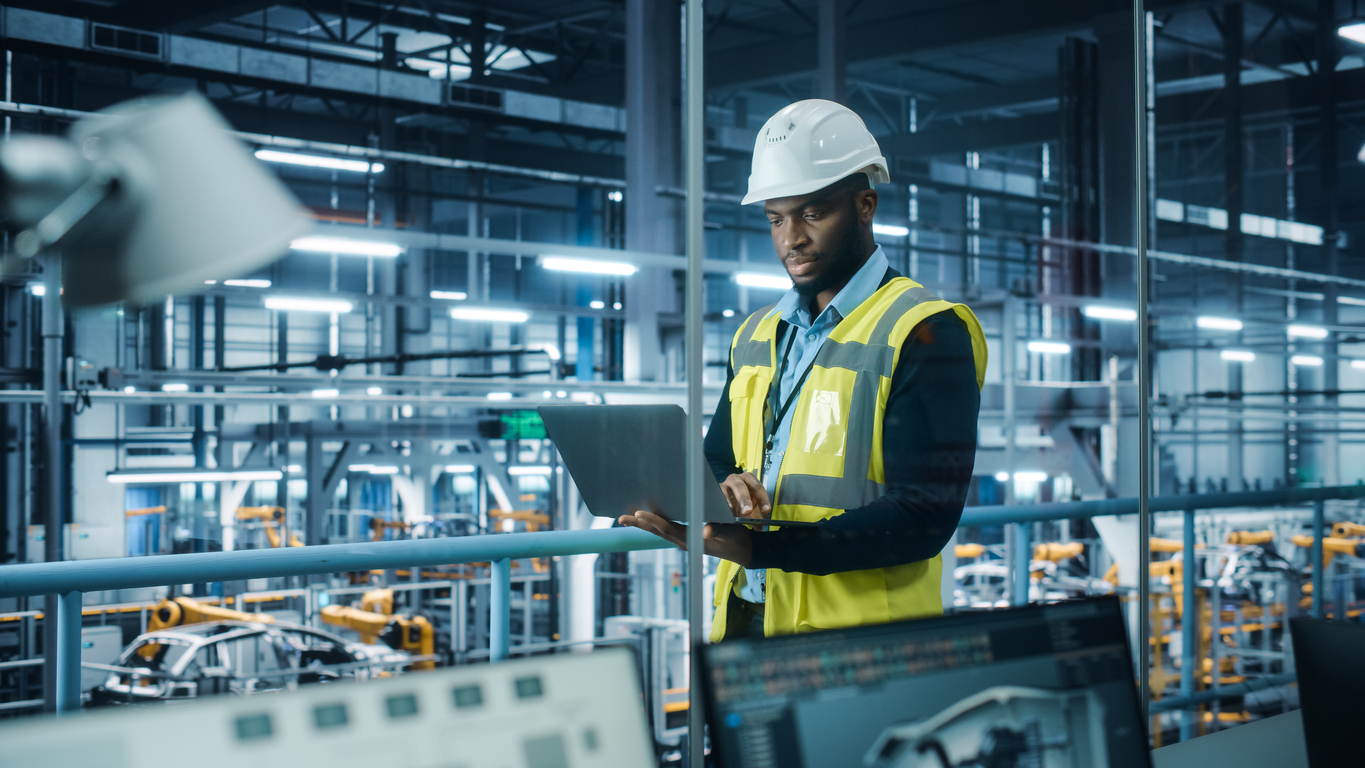
Sustainability is rapidly transforming the manufacturing sector. Companies are increasingly adopting eco-friendly practices and innovative technologies to reduce environmental impact while improving operational efficiency. Understanding manufacturing sustainability trends is crucial for businesses looking to stay competitive, meet regulatory requirements, and attract environmentally-conscious clients.
Key Manufacturing Sustainability Trends
Several trends are shaping the future of manufacturing:
-
Circular Economy Practices
Companies are shifting from linear production models to circular approaches, focusing on recycling, reusing, and reducing waste. This trend reduces material costs while promoting environmental responsibility. -
Energy Efficiency and Renewable Energy
Manufacturers are investing in energy-efficient machinery and renewable energy sources such as solar and wind. These initiatives lower energy costs and decrease carbon emissions. -
Sustainable Supply Chains
Sustainable sourcing ensures that raw materials come from environmentally responsible suppliers. Transparency and traceability in supply chains are increasingly demanded by customers and regulators. -
Green Manufacturing Technologies
Advanced technologies, including IoT and AI, optimize production processes, reduce waste, and improve energy utilization. Smart manufacturing solutions help monitor resource consumption and identify areas for improvement. -
Eco-Friendly Packaging and Materials
Businesses are replacing single-use plastics with biodegradable or recyclable materials. This shift enhances brand reputation and aligns with global sustainability goals.
Benefits of Embracing Sustainability in Manufacturing
Adopting manufacturing sustainability trends delivers tangible benefits:
-
Cost Savings: Reduced waste and energy consumption translate into lower operational costs.
-
Regulatory Compliance: Sustainable practices help meet local and international environmental standards.
-
Brand Reputation: Eco-conscious practices attract customers, investors, and partners.
-
Innovation and Competitive Advantage: Sustainable solutions often lead to innovative products and processes that differentiate a company in the market.
Challenges in Implementing Sustainability
While the benefits are clear, manufacturers may face challenges:
-
High Initial Investment: Transitioning to sustainable technologies requires capital expenditure.
Solution: Gradual adoption with ROI-focused planning and partnerships with sustainability consultants. -
Supply Chain Complexity: Ensuring sustainability across all suppliers can be difficult.
Solution: Work with trusted partners and adopt digital supply chain management tools. -
Employee Training: Staff need to understand new sustainable processes and technologies.
Solution: Conduct workshops, training sessions, and awareness campaigns.
Wigmore Trading can help companies navigate these challenges and implement effective sustainability strategies.
How Wigmore Trading Supports Manufacturing Sustainability
Wigmore Trading can help manufacturers implement sustainability trends by:
-
Advising on energy-efficient machinery and renewable energy solutions.
-
Assisting in developing sustainable supply chains and sourcing strategies.
-
Guiding businesses on regulatory compliance and environmental reporting.
-
Offering strategic planning to integrate sustainability into operations without compromising efficiency.
By leveraging our expertise, manufacturers can reduce their environmental footprint while improving profitability.
Steps to Integrate Sustainability in Manufacturing
-
Assess Current Practices: Identify areas where waste, energy, or resources can be optimized.
-
Set Sustainability Goals: Establish measurable targets for energy, materials, and emissions reduction.
-
Invest in Technology: Adopt energy-efficient machinery, smart sensors, and digital monitoring tools.
-
Train Employees: Equip teams with knowledge and skills to implement sustainable practices.
-
Monitor and Optimize: Continuously evaluate progress and refine strategies for maximum impact.
Integrating sustainability is not only environmentally responsible but also positions manufacturers as forward-thinking leaders in their industries.





Comments are closed.