
Power Plant Solutions for Reliable Energy in Africa

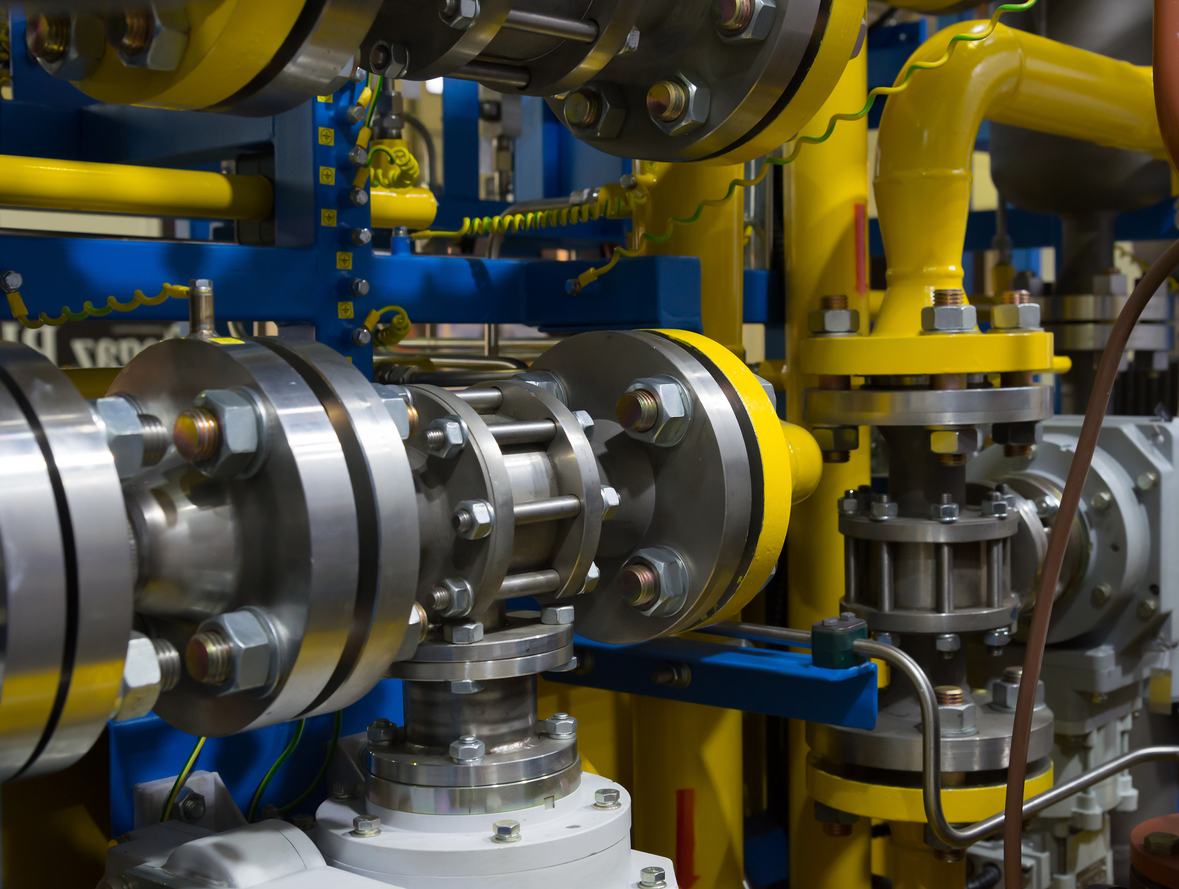
Ensuring consistent energy supply is a top priority for industries, businesses, and communities across Africa. Power plants are central to meeting this demand, providing electricity for everything from manufacturing and logistics operations to residential and commercial use. Understanding the types of power plants, their benefits, and how to optimize their performance can help businesses make informed decisions and maintain uninterrupted operations.
Understanding Power Plants
A power plant is a facility that generates electricity by converting various energy sources into electrical power. These sources can include fossil fuels like coal, oil, and natural gas, as well as renewable resources such as solar, wind, and hydro. The choice of power plant depends on factors like energy needs, location, and environmental considerations.
Types of Power Plants
-
Thermal Power Plants
Thermal power plants generate electricity by burning fossil fuels, producing steam that drives turbines. They are widely used in regions with easy access to coal, oil, or gas. Thermal plants offer high capacity and reliable energy output, making them ideal for industrial and large-scale operations. -
Hydropower Plants
Hydropower plants use the kinetic energy of flowing water to produce electricity. They are sustainable and cost-effective over time, especially in areas with rivers or water reservoirs. Hydropower is an excellent option for regions seeking renewable energy solutions. -
Solar Power Plants
Solar power plants harness sunlight through photovoltaic panels to generate electricity. These plants are particularly suitable for Africa due to abundant sunlight. They provide clean, renewable energy while reducing dependence on fossil fuels. -
Wind Power Plants
Wind turbines convert wind energy into electricity. While installation depends on local wind patterns, wind power plants are an environmentally friendly choice that can supplement the energy mix for businesses and communities.
Key Benefits of Power Plants
-
Reliable Energy Supply: A properly managed power plant ensures uninterrupted electricity for industrial and commercial operations.
-
Cost Efficiency: Over time, renewable energy plants such as solar or hydro can reduce operational costs.
-
Scalability: Power plants can be designed to match current energy demands with the flexibility to expand as needs grow.
-
Sustainability: Renewable power plants contribute to reducing carbon emissions and promoting environmental responsibility.
Optimizing Power Plant Performance
Maintaining optimal performance of a power plant involves regular monitoring, timely maintenance, and using quality equipment. Businesses can minimize downtime by implementing preventive measures such as:
-
Routine inspections of turbines and generators.
-
Efficient fuel management for thermal plants.
-
Incorporating backup systems to ensure continuity during outages.
Partnering with experienced suppliers like Wigmore Trading ensures access to high-quality equipment, reliable maintenance services, and expert guidance on selecting the right power plant solution for your needs.
How Wigmore Trading Supports Your Energy Needs
Wigmore Trading specializes in providing tailored solutions for businesses looking to invest in or maintain power plants. Whether it’s sourcing generators, spare parts, or offering consultancy for energy optimization, Wigmore Trading helps businesses achieve efficiency, reliability, and sustainability in their operations.
Get in touch with our team to learn more about how Wigmore Trading can help streamline your energy solutions today.






Comments are closed.