
Cost of Laptops in Nigeria: Tips to Get the Best Deals

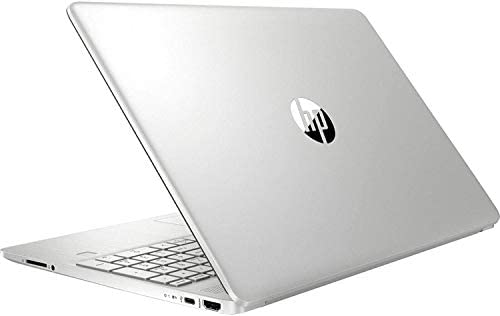
In Nigeria, the cost of laptops can vary significantly depending on brand, specifications, and import sources. Whether you are a student, professional, or business looking to purchase laptops in bulk, understanding market prices is key to making informed decisions.
Factors Influencing the Cost of Laptops in Nigeria
Several factors contribute to the price variations of laptops in Nigeria:
1. Brand and Model
Premium brands like Apple, Dell, and HP often have higher price points due to brand reputation, build quality, and advanced features. More budget-friendly options from brands like Tecno, Lenovo, or Asus offer reliable performance at lower costs.
2. Laptop Specifications
The specifications of a laptop—such as processor type, RAM, storage, and graphics capabilities—directly impact its price. High-performance laptops with the latest Intel i7 or AMD Ryzen processors, 16GB+ RAM, and SSD storage will naturally cost more than basic models designed for everyday tasks.
3. Import Duties and Taxes
Nigeria imposes import duties on electronics, including laptops. These taxes, combined with shipping costs, significantly influence the retail price. Wigmore Trading can help businesses and wholesalers navigate these costs to get the best value for their investment.
4. Availability and Demand
Supply and demand dynamics also affect pricing. High demand for laptops during the academic season or festive periods can push prices up. Conversely, promotions and clearance sales can offer substantial discounts.
Average Cost of Laptops in Nigeria
Here’s a snapshot of the typical price range for laptops in Nigeria:
-
Budget laptops: ₦150,000 – ₦250,000
-
Mid-range laptops: ₦250,000 – ₦500,000
-
High-end laptops: ₦500,000 – ₦1,000,000+
Prices fluctuate based on currency exchange rates, stock availability, and vendor pricing strategies. Businesses looking to purchase laptops in bulk can benefit from sourcing through trusted partners like Wigmore Trading to access competitive pricing and reliable delivery.
Where to Buy Laptops in Nigeria
1. Authorized Dealers
Purchasing from authorized dealers ensures warranty coverage and access to genuine products. However, prices may be slightly higher than open markets.
2. Online Retailers
Platforms like Jumia, Konga, and Slot offer a wide range of laptops. Online purchases provide convenience and frequent discounts but require careful verification to avoid counterfeit products.
3. Wholesale Distributors
For businesses and educational institutions, wholesale distributors offer the advantage of bulk purchasing at lower unit prices. Wigmore Trading specializes in sourcing laptops for businesses, ensuring competitive pricing, verified suppliers, and seamless logistics.
Tips for Getting the Best Value
-
Compare Prices: Check multiple sources before making a purchase.
-
Consider Refurbished Options: Certified refurbished laptops can provide high performance at lower costs.
-
Plan Bulk Orders: Buying in bulk often reduces the per-unit cost significantly.
-
Partner with Experts: Wigmore Trading helps clients navigate the Nigerian laptop market efficiently, providing tailored sourcing solutions that match budget and quality requirements.
Conclusion
Understanding the cost of laptops in Nigeria involves considering brand, specifications, taxes, and market trends. Whether you are an individual buyer or a business sourcing in bulk, informed decisions can save money and ensure quality. Wigmore Trading can help streamline the sourcing process, providing access to competitive prices, reliable suppliers, and expert guidance.
Get in touch with our team to learn how we can help you save on bulk purchases.






Comments are closed.