

Understanding US Soybean Price Fluctuations for Wholesale Buyers

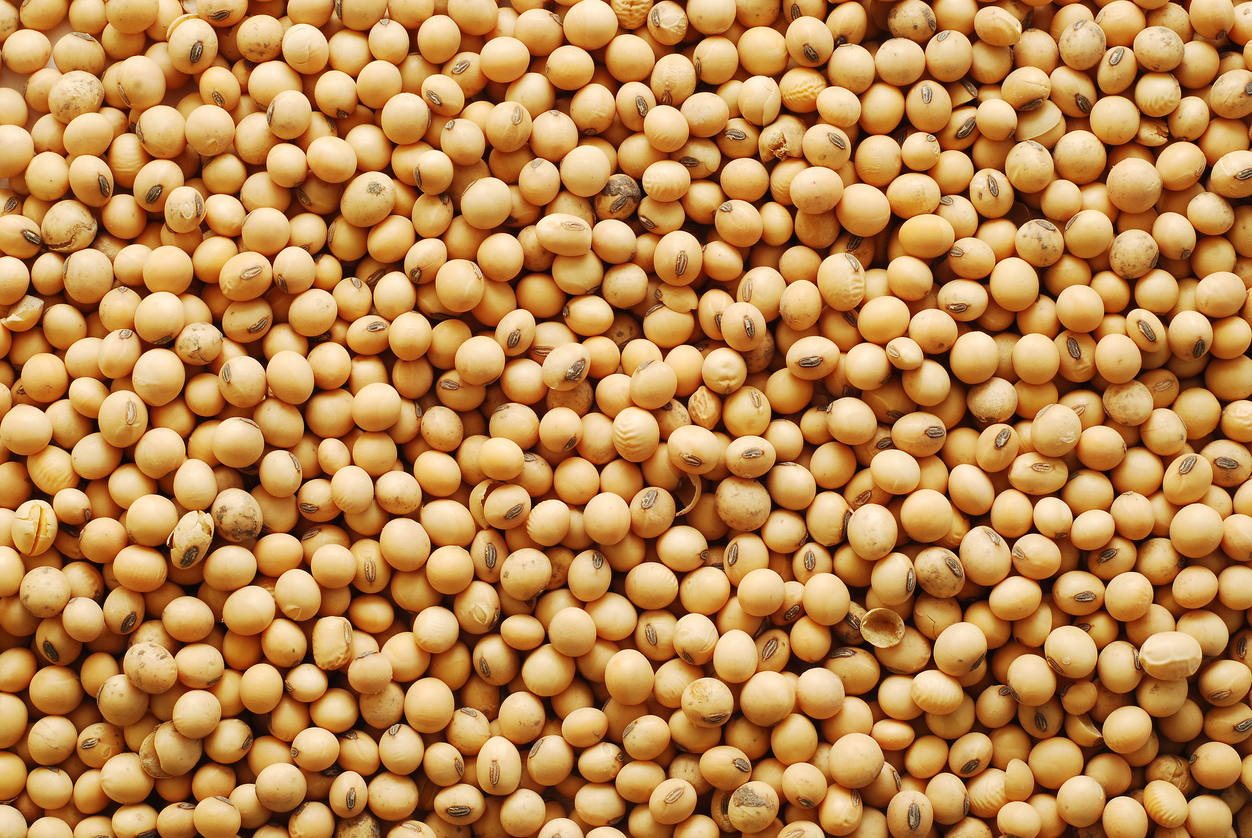
The US soybean price plays a defining role in global agricultural trade. For buyers across Africa, the Middle East, and emerging markets, shifts in soybean pricing affect everything from food manufacturing costs to livestock feed margins and wholesale supply planning.
As one of the world’s largest producers and exporters, the United States influences international soybean values more than any other country. When prices move—whether due to weather, logistics, or policy—importers feel it almost immediately.
Key Factors Influencing the US Soybean Price
1. Weather Conditions in the US Midwest
The US Midwest—particularly Iowa, Illinois, and Minnesota—is the heart of soybean production. Droughts, excessive rainfall, or unexpected storms can directly impact yields and push prices higher.
Conversely, ideal growing conditions and strong harvest projections tend to stabilize or reduce prices.
2. Global Demand, Especially From China
China imports more soybeans than any other nation. When Chinese demand rises sharply, global prices—including US soybean price benchmarks—often climb.
Conversely, if China shifts purchasing to Brazil or faces domestic economic slowdown, US soybean prices may soften.
3. Competition Between the US and Brazil
Brazil is now the world’s largest soybean producer. When Brazil reports record harvests or offers competitive freight rates, international buyers may shift away from the US, influencing American pricing.
Importers who understand seasonal advantages between these regions can optimise sourcing strategies.
4. Shipping and Freight Rates
Global logistics disruptions—including rising container costs, port delays, and fuel price volatility—have a major influence on final landed costs.
The base US soybean price may be attractive, but higher freight charges can reduce profit margins. Wigmore Trading helps clients plan cost-effective shipping routes and consolidate loads where possible.
5. US Government Policies and Export Data
Tariffs, export restrictions, biodiesel mandates, and subsidy changes all influence supply and demand. USDA reports, inspected volume data, and global crop forecasts are watched closely by traders and processors worldwide.
When reports show tightening supply, prices often rise rapidly on the Chicago Board of Trade (CBOT).
6. Currency Movements
Because soybeans are priced in US dollars, a strong USD makes imports more expensive for buyers whose local currencies are weaker. Monitoring exchange rates is essential when calculating real acquisition costs.
How These Price Trends Affect Importers and African Distributors
Higher Input Costs
Food manufacturers, feed millers, and oil processors may face reduced margins when the US soybean price spikes. Forward planning and early booking become essential.
Unpredictable Planning Cycles
Sudden price swings complicate procurement schedules. Importers must forecast usage accurately and engage in strategic inventory planning.
Opportunity for Advantage
Buyers who time the market correctly—such as purchasing when prices dip seasonally—gain a cost advantage over competitors.
Wigmore Trading supports clients by monitoring markets closely and advising on optimal purchase windows.
Strategic Ways to Manage Soybean Price Volatility
1. Diversify Supply Sources
While US soybeans offer consistency, there are times when Brazilian, Argentinian, or West African alternatives provide better value. Wigmore Trading can help evaluate regional supply options based on:
-
Harvest cycles
-
Quality grades
-
Freight efficiencies
2. Use Forward Contracts or Scheduled Purchases
Locking in prices for a future delivery date helps buyers avoid sudden price surges. Wigmore Trading can arrange stable long-term procurement agreements, reducing exposure to unpredictable markets.
3. Purchase Value-Added Soybean Products
Instead of raw soybeans, some buyers benefit from importing:
-
Crude and refined soybean oil
-
Soybean meal
-
Defatted soy flour
-
Textured soy protein
These products sometimes offer more stable pricing compared to whole beans.
4. Consolidate Shipments
For mid-sized buyers, combining orders into consolidated containers can reduce freight costs significantly. Wigmore Trading manages groupage and bulk cargo options to keep landed costs competitive.
Why Work With Wigmore Trading?
Wigmore Trading has over two decades of experience in sourcing and distributing agricultural commodities across Africa. We understand global price drivers, regional logistics challenges, and the procurement needs of manufacturers, wholesalers, and distributors.
Our soybean supply capabilities include:
-
Bulk US soybean sourcing
-
Containerised shipments for smaller buyers
-
Soybean oil and meal procurement
-
Market-linked pricing guidance
-
Trade finance and shipping support
Whether you are a feed mill, food processor, or wholesale distributor, we help you secure quality soybeans at competitive, predictable prices.
Contact Wigmore Trading today to streamline your sourcing.






Comments are closed.