

Oil and Gas Company Registration in Ghana: Your Complete 2025 Guide

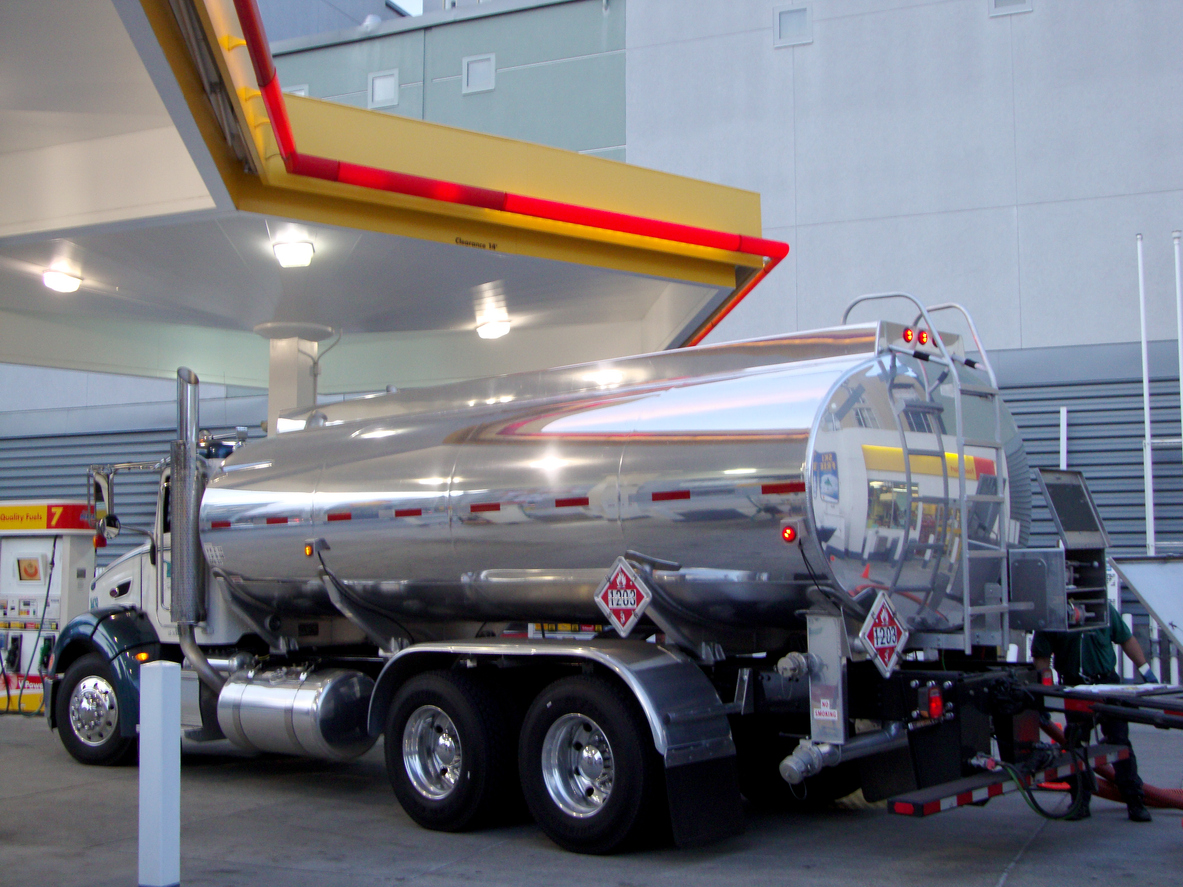
Ghana’s oil and gas industry continues to grow rapidly, driven by upstream exploration, expanding midstream infrastructure, and increasing demand for downstream products. For investors, contractors, and suppliers looking to operate legally in this sector, understanding the oil and gas company registration process in Ghana is essential. The regulatory landscape is structured, but with the right guidance, businesses can establish a presence efficiently and take advantage of the country’s strong market potential.
Wigmore Trading supports companies across Africa by sourcing, supplying, and facilitating trade for petroleum products and industrial equipment. This article outlines the key steps, requirements, and opportunities for businesses entering Ghana’s oil and gas supply chain—and how Wigmore Trading can help you operate smoothly.
Understanding the Regulatory Framework for Oil & Gas Registration
Ghana’s petroleum sector is governed by several key agencies:
-
Registrar of Companies (ROC): Handles incorporation and business registration.
-
Petroleum Commission (PC): Authorises companies to participate in upstream, midstream, and downstream activities.
-
National Petroleum Authority (NPA): Regulates downstream distribution, storage, and marketing.
-
Ghana Revenue Authority (GRA): Handles tax registration (TIN, VAT, corporate tax).
Any company intending to trade, supply equipment, provide logistics services, or operate in exploration, production, or distribution must secure approval from the appropriate bodies.
Step-by-Step Process for Oil and Gas Company Registration in Ghana
1. Incorporate Your Company with the Registrar of Companies
The first step is registering the business as a local entity or subsidiary. Required documents typically include:
-
Company name reservation
-
Regulations (constitution)
-
Shareholder and director details
-
Registered office address
A Tax Identification Number (TIN) will also be issued at this stage.
2. Apply for Petroleum Commission Registration
Companies involved in upstream or midstream activities must obtain a permit from the Petroleum Commission. Categories of service include:
-
Engineering and technical services
-
Procurement and supply of equipment
-
Maritime and logistics operations
-
Fabrication, maintenance, and construction
-
Consultancy and support services
The process includes submitting corporate documents, technical capability statements, HSE policies, and local content plans.
3. Secure Local Content Compliance
Ghana requires specific participation by local companies and Ghanaian professionals. This includes:
-
Minimum local equity participation
-
Hiring Ghanaian staff
-
Working with approved local partners
Wigmore Trading can help international companies meet local sourcing and supply requirements by providing access to trusted local networks across West Africa.
4. Obtain NPA Licensing for Downstream Activities
For businesses trading refined products (diesel, petrol, LPG, lubricants), or operating storage and distribution facilities, NPA licensing is mandatory. Applicants must demonstrate:
-
Financial capability
-
Product quality assurance
-
Safety and environmental compliance
5. Register for Taxation and Customs Compliance
The Ghana Revenue Authority requires companies to register for:
-
VAT
-
Withholding tax
-
Corporate income tax
-
Customs duties (if importing fuel or equipment)
Businesses importing petroleum products or heavy equipment often partner with Wigmore Trading to streamline customs clearance, sourcing, and cross-border distribution.
Opportunities Within Ghana’s Oil and Gas Sector
Ghana offers strong prospects in:
-
Procurement of industrial equipment and spare parts
-
Supply of lubricants, fuels, and specialty chemicals
-
Offshore logistics support
-
Pipeline and infrastructure development
-
Onshore distribution and wholesale of refined products
-
Storage facilities and depot operations
With robust demand from mining, manufacturing, marine services, and construction industries, companies entering the market can benefit from a wide customer base.
Wigmore Trading helps bridge supply gaps for imported petroleum products, machinery, and spare parts, enabling businesses to operate efficiently from day one.
How Wigmore Trading Supports Your Entry into Ghana’s Oil & Gas Market
Wigmore Trading provides a full range of sourcing, procurement, and supply services for companies joining Ghana’s oil and gas value chain. Our support includes:
-
Sourcing petroleum products such as diesel, lubricants, and aviation fuel
-
Importing industrial equipment and spare parts for oilfield operations
-
Facilitating customs clearance and logistics across West Africa
-
Connecting foreign companies with reliable local partners
-
Ensuring product quality and compliance with Ghanaian regulations
Whether you are establishing a new operation or expanding your supply chain, Wigmore Trading can help make the process efficient and compliant.
Conclusion
Registering an oil and gas company in Ghana requires careful attention to regulatory requirements, local content rules, and licensing obligations. However, with the right partners and a clear understanding of the steps involved, businesses can secure approvals and begin operations quickly.
For companies looking to source fuel, equipment, or logistical support while setting up, Wigmore Trading is ready to assist.
Contact Wigmore Trading today to learn more.






Comments are closed.