
Is Polypropylene Microwave Safe? What Importers and Buyers Need to Know

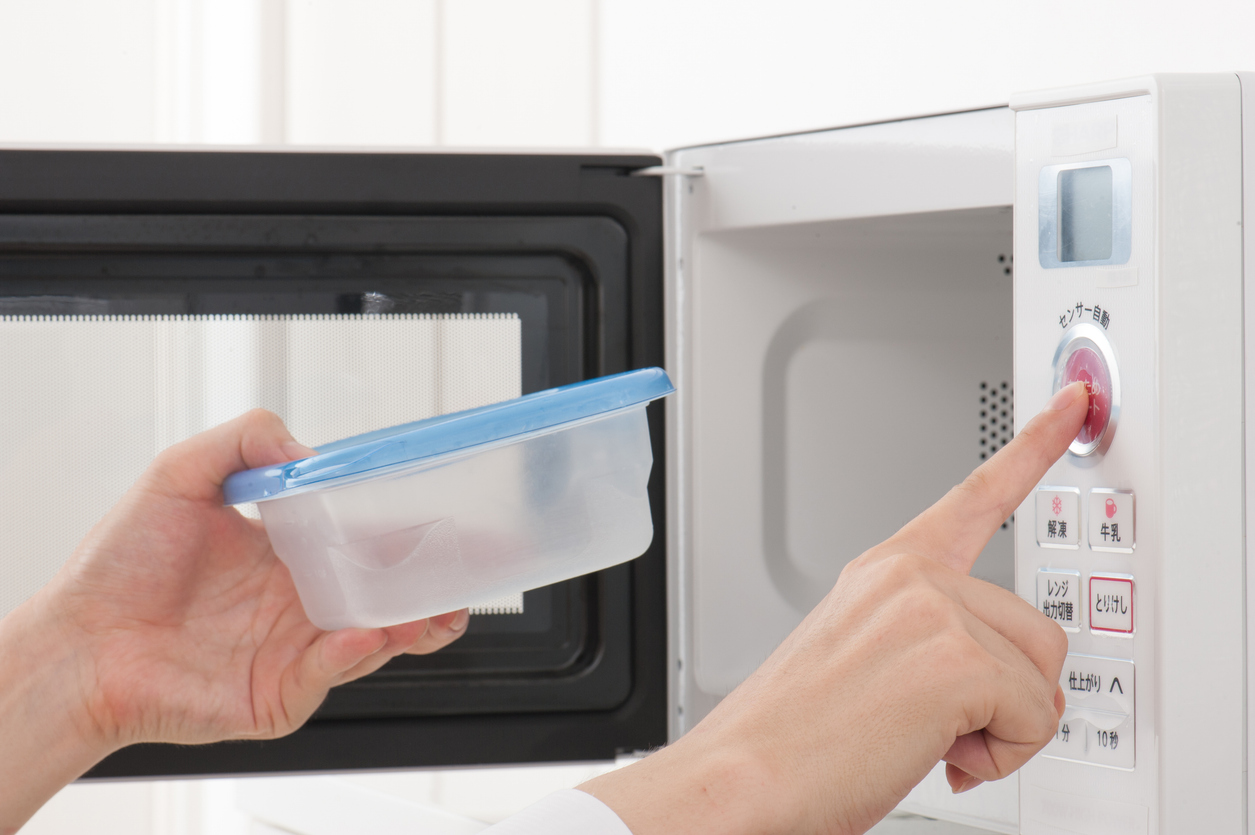
Polypropylene is one of the most widely used plastics in global trade, especially for food packaging, household goods, and FMCG products. But a common question among importers, wholesalers, and retailers is: is polypropylene microwave safe? Understanding the properties, safety standards, and sourcing considerations of polypropylene can help businesses make better purchasing decisions and avoid compliance or customer trust issues.
This guide explains how polypropylene performs in microwave use, where it’s commonly applied, and how Wigmore Trading can support safe and reliable sourcing across African and international markets.
What Is Polypropylene and Why Is It So Widely Used?
Polypropylene (PP) is a thermoplastic polymer known for its durability, lightweight nature, and resistance to heat and chemicals. It is commonly used in:
-
Microwave food containers
-
Takeaway and meal prep packaging
-
Reusable plastic bowls and lids
-
Industrial storage containers
-
FMCG and wholesale packaging
One of the main reasons polypropylene is popular in food-contact products is its relatively high melting point compared to other plastics.
Is Polypropylene Microwave Safe?
Yes, polypropylene is generally microwave safe when manufactured to food-grade standards. Polypropylene has a melting point of around 160–170°C, which is higher than the temperatures typically reached during microwave heating.
This makes polypropylene microwave safe for reheating food, provided that:
-
The product is labeled microwave safe
-
It is made from food-grade polypropylene
-
It is used according to manufacturer guidelines
Most microwave-safe plastic containers are made from polypropylene, often marked with the recycling code #5.
Why Polypropylene Performs Well in Microwave Use
Heat Resistance of Polypropylene
Compared to plastics like polystyrene or polyethylene, polypropylene maintains its structure better under heat. This reduces the risk of warping, melting, or releasing harmful substances during microwave use.
Chemical Stability and Food Safety
Food-grade polypropylene does not easily leach chemicals when heated. This is why it is commonly approved for food-contact applications in many international markets.
Lightweight and Cost-Efficient
For importers and wholesalers, polypropylene offers a balance of safety and affordability. It is cheaper than glass or metal alternatives while remaining suitable for everyday microwave use.
Common Applications of Polypropylene Microwave Safe Products
Polypropylene microwave safe containers are widely used across industries, including:
-
Food processing and ready-meal packaging
-
Restaurants and catering businesses
-
Supermarkets and FMCG brands
-
Export-oriented food manufacturers
-
Household goods wholesalers
In African markets, demand for microwave-safe food packaging continues to grow as urbanization and convenience food consumption increase.
Key Compliance and Quality Considerations for Importers
While polypropylene is microwave safe in principle, quality and compliance matter. Importers should ensure that products meet relevant standards, such as:
-
Food-grade material certification
-
Compliance with EU, FDA, or local food-contact regulations
-
Clear labeling for microwave use
-
Proper manufacturing and molding processes
Low-quality polypropylene or non-food-grade materials may degrade under heat, leading to safety risks and customer complaints.
This is where working with a trusted sourcing partner becomes essential.
How Wigmore Trading Supports Safe Polypropylene Sourcing
Wigmore Trading works with verified manufacturers and suppliers to source polypropylene microwave safe products that meet international quality and safety requirements. Our team supports businesses across:
-
Import and export logistics
-
Wholesale and bulk procurement
-
Supplier verification and quality checks
-
FMCG and food packaging distribution
-
African and global trade routes
Whether you are sourcing microwave-safe containers, food packaging, or polypropylene household products, Wigmore Trading can help reduce risk and improve supply chain reliability.
Sustainability and Polypropylene in Modern Trade
Polypropylene is also recyclable, making it a more sustainable option compared to many single-use plastics. Recycling code #5 is increasingly accepted in recycling systems worldwide, which aligns with growing environmental expectations from regulators and consumers.
For brands and distributors focused on sustainability, sourcing recyclable polypropylene packaging can support both compliance and brand reputation.
Practical Tips for Buyers and Distributors
When sourcing polypropylene microwave safe products, consider the following:
-
Always confirm food-grade certification
-
Request samples for heat testing
-
Check labeling and usage instructions
-
Work with experienced import/export partners
-
Balance cost with quality and compliance
Wigmore Trading can help buyers navigate these steps efficiently, especially when sourcing at scale or entering new African markets.
Final Thoughts
So, is polypropylene microwave safe? Yes—when properly manufactured and certified, polypropylene is one of the safest and most practical plastics for microwave use. For importers, wholesalers, and FMCG businesses, it remains a reliable choice for food packaging and household products.
By working with experienced trade partners and verified suppliers, businesses can ensure safety, compliance, and consistent product quality.
Wigmore Trading can help.
Get in touch with our team to learn more.
Contact Wigmore Trading today to streamline your sourcing.


Comments are closed.