
Buying and Exporting Passenger and Cargo Ships from Russia

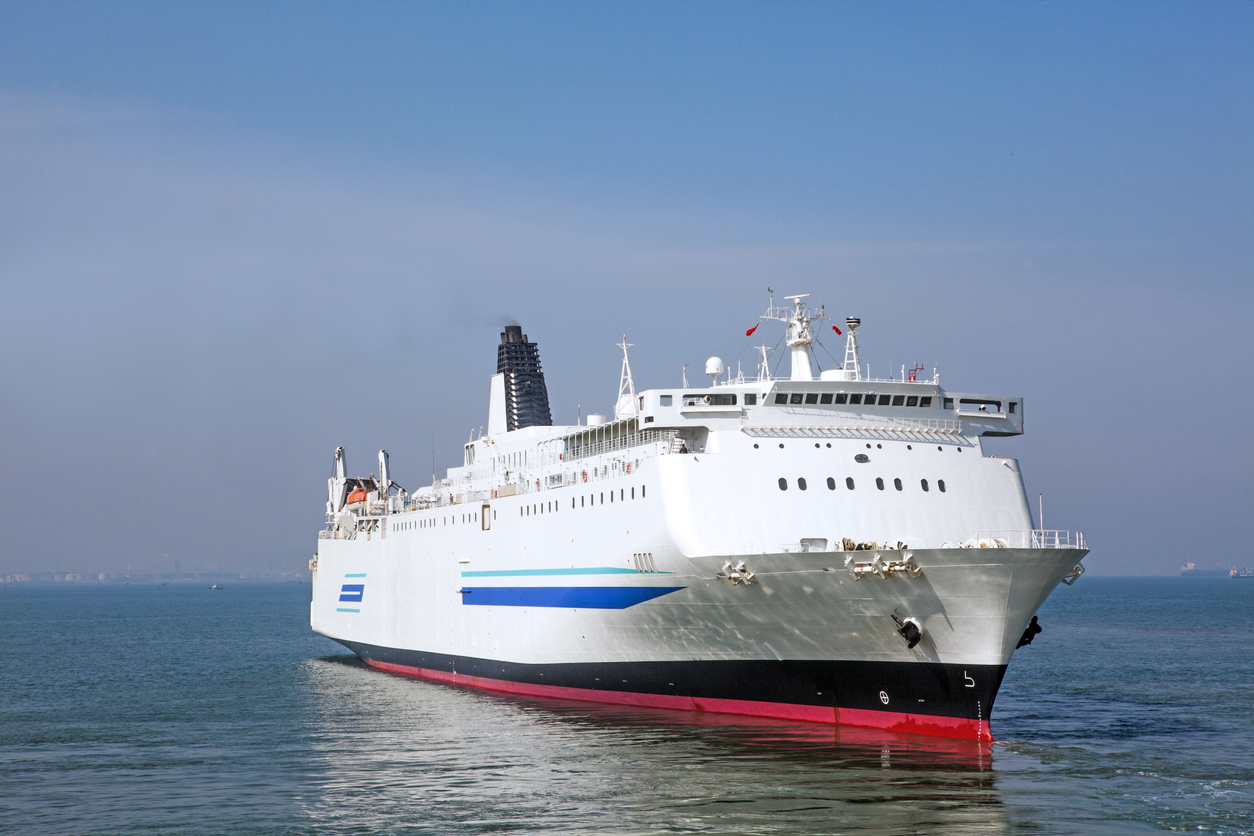
Sourcing vessels can be a cost-effective way to expand capacity in coastal transport, offshore support, inter-island passenger routes, or regional cargo distribution. For many buyers, Passenger and Cargo Ships from Russia are on the shortlist because Russia has a large maritime fleet, active shipyards, and a broad secondary market that includes ferries, Ro-Ro vessels, multipurpose cargo ships, river-sea vessels, and small coastal freighters.
That said, purchasing and exporting a vessel from Russia now requires tighter planning than a typical ship deal. Sanctions, port restrictions, insurance constraints, classification recognition, and payment routing can all affect feasibility. The best outcomes come from structured due diligence and a compliance-first transaction design.
Wigmore Trading can help you source suitable tonnage and manage the end-to-end export process with practical checks that reduce delays and avoid preventable compliance risks.
Passenger and Cargo Ships from Russia: Why Buyers Consider Them
Across West and Central Africa, buyers often look for vessels that can operate reliably in mixed infrastructure environments—ports with limited draft, variable cargo handling, and route networks that require flexible scheduling. Russian-built and Russian-trading vessels can match these needs in several ways:
-
Wide vessel variety: passenger ferries, small Ro-Pax units, general cargo, and river-sea designs that work well on coastal and inland-adjacent routes.
-
Strong cold-weather build standards (often): robust hulls and systems can translate into durability in demanding operating conditions (though suitability must be confirmed case by case).
-
Availability in the secondary market: depending on age and specification, there may be more accessible purchase options than in tighter Western European markets.
The key is selecting ships that can be legally exported, insurable, class-compliant, and commercially viable in your destination country.
Passenger and Cargo Ships from Russia: The Compliance Reality in 2026
Any plan to buy and export Passenger and Cargo Ships from Russia must start with sanctions screening and route feasibility.
Here are the main risk areas buyers must address:
-
EU maritime measures and port access restrictions: The EU has expanded transport-related sanctions, including measures that impact certain vessels, services, and (in some cases) certification recognition.
-
Vessel designation lists: Some vessels are specifically listed under EU measures; screening must be done using the vessel’s IMO number (names can change).
-
US sanctions compliance risk: OFAC and partner agencies have warned about deceptive shipping practices and encourage risk-based compliance by maritime stakeholders.
-
UK shipping sanctions impacts: UK guidance highlights restrictions that can apply to specified ships, including port access and enforcement actions.
Practical takeaway: The “ship deal” is not only about price and condition anymore—compliance and operability are part of the asset’s value.
How to Buy and Export Passenger and Cargo Ships from Russia
Below is a process buyers can follow to reduce transaction risk while moving faster when the vessel is viable.
1) Define the operating profile first (not the ship)
Before selecting a vessel, lock in:
-
intended route type (coastal, inter-island, regional feeder, river-sea)
-
draft limits and port constraints
-
passenger certification needs (life-saving appliances, evacuation systems, stability criteria)
-
cargo profile (containers, breakbulk, palletized FMCG, reefers, vehicles)
This prevents buying a ship that looks affordable but cannot be certified or operated profitably.
2) Shortlist vessels and run a sanctions + identity screen
For each candidate vessel:
-
confirm IMO number, flag, registered owner, and beneficial owner (where possible)
-
check against relevant designation lists using IMO number
-
review trade route risk (where the vessel can and cannot call)
Wigmore Trading can help coordinate screening and documentation gathering so you’re not relying on incomplete broker summaries.
3) Confirm class, certification, and insurability early
This step is often the deal-breaker.
Some buyers discover late that their target vessel faces restrictions due to certification status, service providers, or insurer risk appetite. EU measures also discuss impacts tied to certification in certain contexts.
What to do:
-
obtain current class certificates and survey status
-
confirm what your destination flag state and local regulators require
-
check insurer requirements before committing to purchase terms
4) Conduct technical due diligence and condition surveys
A proper survey should cover:
-
hull and machinery condition
-
propulsion and auxiliary systems
-
passenger safety systems (for ferries/Ro-Pax)
-
cargo gear, ramps, and hatch integrity (for cargo/Ro-Ro)
-
spares, maintenance records, and drydock history
Where needed, budget for a pre-delivery repair plan and a compliance refit to destination standards.
5) Structure the transaction and export documentation correctly
Typical documentation includes:
-
Memorandum of Agreement (MOA)
-
Bill of Sale
-
Class/Statutory certificates
-
Deletion certificate from prior registry (or registry transfer process)
-
Delivery/acceptance protocol
-
Export clearance documents (as applicable)
Wigmore Trading can help coordinate the paperwork flow with shipbrokers, legal support, and logistics partners so your vessel handover and departure are aligned.
6) Plan repositioning, crewing, and port calls
Repositioning can be impacted by port acceptance, service availability, and compliance checks. Regulators and industry guidance increasingly focus on deceptive practices and documentation integrity in maritime operations.
Mitigation steps:
-
choose a realistic delivery port
-
plan bunkering and provisioning in compliant jurisdictions
-
ensure AIS, logs, and documentation are consistent and complete
-
verify port entry requirements well ahead of arrival
Contact Wigmore Trading today to streamline your sourcing and shipping plan.
How Wigmore Trading Supports Vessel Buyers
When buying Passenger and Cargo Ships from Russia, value comes from execution—finding a suitable ship is only the first step.
Wigmore Trading can help with:
-
vessel sourcing support and shortlist building
-
documentation collection and deal coordination
-
compliance-first transaction planning (screening and risk checks)
-
export logistics support and destination readiness planning
Wigmore Trading can help you reduce uncertainty and move from “good opportunity” to “operational vessel” with fewer surprises.
Get in touch with our team to learn more.





Comments are closed.