
Buy and Export Tufted Carpets from China with Wigmore Trading

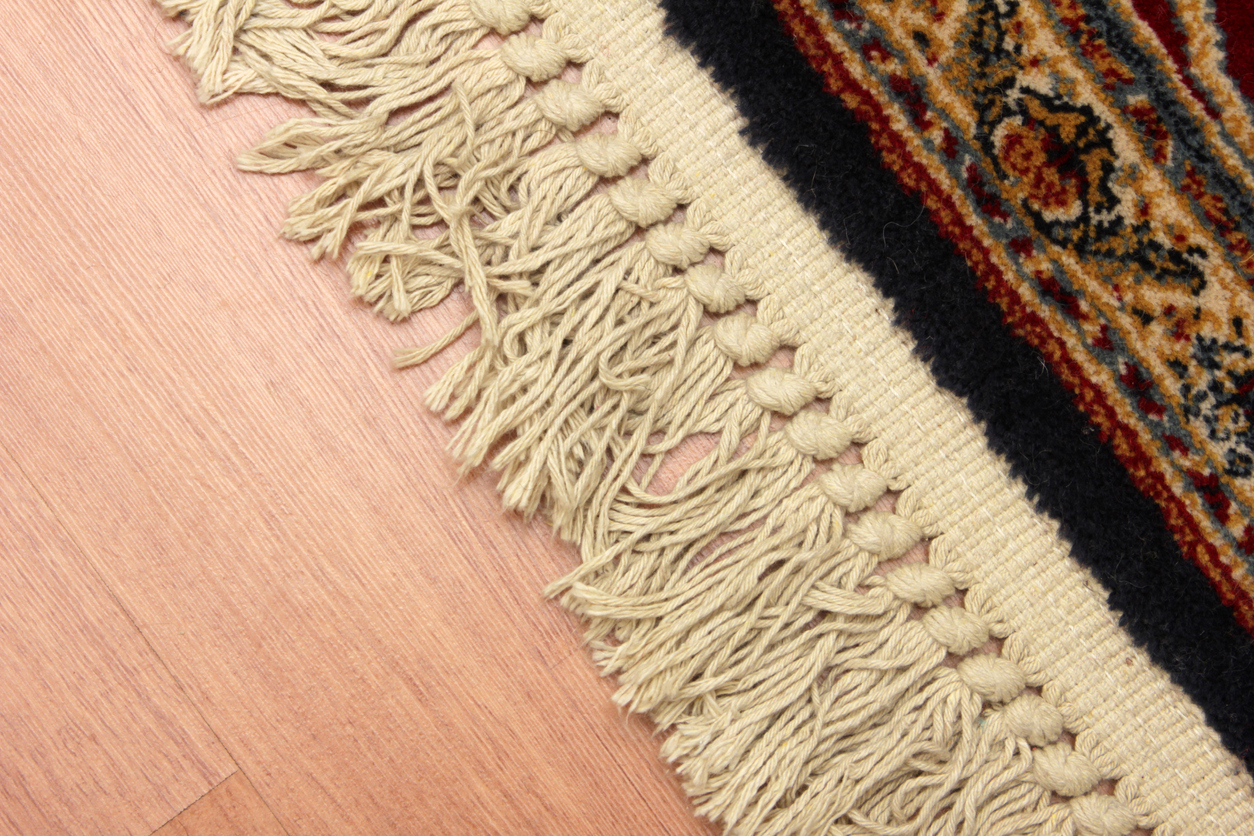
Tufted carpets from China are in high demand across global markets due to their competitive pricing, wide design variety, and scalable production capacity. For importers, wholesalers, retailers, and project contractors looking to buy and export tufted carpets from China, understanding sourcing processes, quality standards, logistics, and supplier reliability is essential.
China remains one of the world’s largest carpet manufacturing hubs, producing machine-tufted carpets for residential, commercial, hospitality, and institutional use. With the right sourcing partner, businesses can secure consistent quality, competitive FOB pricing, and efficient export handling.
Wigmore Trading can help streamline this process from supplier selection to final delivery.
Why Source and Export Tufted Carpets from China?
When businesses choose to export tufted carpets from China, they benefit from several structural advantages in the Chinese flooring industry.
Large-Scale Manufacturing Capacity
Chinese carpet manufacturers operate advanced tufting machines capable of producing cut pile, loop pile, and cut-and-loop tufted carpets in high volumes. This allows importers to place bulk wholesale orders while maintaining consistent product specifications.
Competitive Pricing
China’s integrated supply chain—covering yarn production (polypropylene, nylon, polyester), backing materials, latex, and packaging—reduces input costs. As a result, distributors and retailers can secure cost-effective carpets for resale in Africa, Europe, the Middle East, and North America.
Wide Product Variety
From wall-to-wall carpets to carpet tiles and area rugs, tufted carpets from China are available in various pile heights, densities, backing types (action back, felt back, rubber back), and custom designs. This flexibility supports wholesalers targeting different market segments, including hospitality projects, offices, schools, and residential developments.
However, while opportunities are strong, importing carpets requires careful supplier vetting and export planning.
Understanding Tufted Carpet Specifications Before Export
Before placing an order, buyers must clearly define technical specifications to avoid quality disputes.
Yarn Type and Fiber Composition
Common materials include polypropylene (PP), nylon (PA), and polyester. Polypropylene tufted carpets are widely used due to affordability and stain resistance, making them popular in emerging markets. Nylon offers higher durability for commercial spaces.
Pile Height and Density
Pile height affects comfort and durability, while density determines wear resistance. Commercial buyers should request technical sheets detailing GSM (grams per square meter), stitch rate, and backing weight.
Backing and Finishing
Primary backing holds the tufts, while secondary backing provides structure and stability. Export tufted carpets from China often come with action backing or felt backing depending on installation requirements.
Clear communication of these specifications ensures the final shipment matches your target market expectations.
Wigmore Trading works with verified manufacturers to confirm technical standards before production begins.
Quality Control When Exporting Tufted Carpets from China
Quality assurance is critical when sourcing from overseas suppliers.
Pre-Production Sampling
Always request carpet samples to verify texture, color consistency, and backing strength. For large orders, a pre-production sample (PPS) ensures alignment with approved specifications.
Factory Audits
Conducting factory audits helps assess production capability, machinery condition, and compliance with international standards. Reliable exporters should provide documentation on fire ratings, colorfastness, and wear testing when required.
Pre-Shipment Inspection
Before shipment, carpets should be inspected for:
-
Roll length accuracy
-
Weight consistency
-
Edge finishing
-
Packaging integrity
Wigmore Trading coordinates inspections and supplier verification to reduce risks for importers and distributors.
Export Logistics and Shipping Considerations
When you export tufted carpets from China, logistics planning directly affects profitability.
Packaging and Container Loading
Tufted carpets are typically rolled and wrapped in waterproof plastic with labeling. Proper palletization or container floor loading maximizes space utilization and protects goods during transit.
HS Codes and Customs Documentation
Correct classification under HS codes for carpets and textile floor coverings ensures smooth customs clearance. Export documentation typically includes:
-
Commercial invoice
-
Packing list
-
Bill of lading
-
Certificate of origin
Errors in documentation can lead to costly delays at destination ports.
Freight Options
Sea freight remains the most cost-effective method for bulk carpet exports. Importers should compare FOB, CIF, and CFR terms depending on their logistics capabilities.
Wigmore Trading manages freight coordination and export documentation to ensure seamless shipment to destination markets.
Key Markets for Chinese Tufted Carpet Exports
Tufted carpets from China are widely exported to:
-
African wholesale distributors
-
Middle Eastern construction companies
-
European retailers
-
Hotel and hospitality procurement firms
In fast-growing African markets especially, affordable polypropylene tufted carpets are popular for residential and commercial construction projects. Reliable sourcing partners are essential to meet demand consistently.
Common Challenges When Importing Tufted Carpets
Despite strong opportunities, businesses may face:
Inconsistent Quality
Some suppliers may cut corners on backing thickness or yarn quality. Clear specifications and inspections mitigate this risk.
Communication Barriers
Language differences can lead to misunderstandings regarding product details or packaging requirements.
Delayed Production
Peak seasons can affect lead times. Advance planning and confirmed production schedules are crucial.
Wigmore Trading bridges these gaps by managing supplier communication, quality checks, and logistics coordination on behalf of importers and wholesalers.
How Wigmore Trading Supports Carpet Importers and Distributors
For businesses looking to buy and export tufted carpets from China, partnering with an experienced sourcing and trading company reduces operational risk.
Wigmore Trading offers:
-
Verified manufacturer sourcing
-
Price negotiation support
-
Quality control coordination
-
Export documentation handling
-
Freight and shipping management
-
Consolidation services for mixed container loads
This approach is particularly valuable for wholesale distributors, FMCG traders expanding into home improvement products, and import/export companies seeking reliable Chinese suppliers.
Whether you are supplying retail stores, furnishing large construction projects, or distributing carpets across African markets, Wigmore Trading can help.
Get in touch with our team to learn more about sourcing and exporting tufted carpets efficiently.
Conclusion
The global demand for affordable, durable floor coverings continues to grow. Businesses that export tufted carpets from China can benefit from cost efficiency, large production capacity, and diverse product options. However, success depends on proper supplier selection, technical clarity, quality control, and efficient logistics management.
With the right sourcing partner, importers and distributors can minimize risk and maximize profitability.
Contact Wigmore Trading today to streamline your sourcing and carpet export operations.





Comments are closed.