
Improving Your Supply Chain with Freight from China to UK

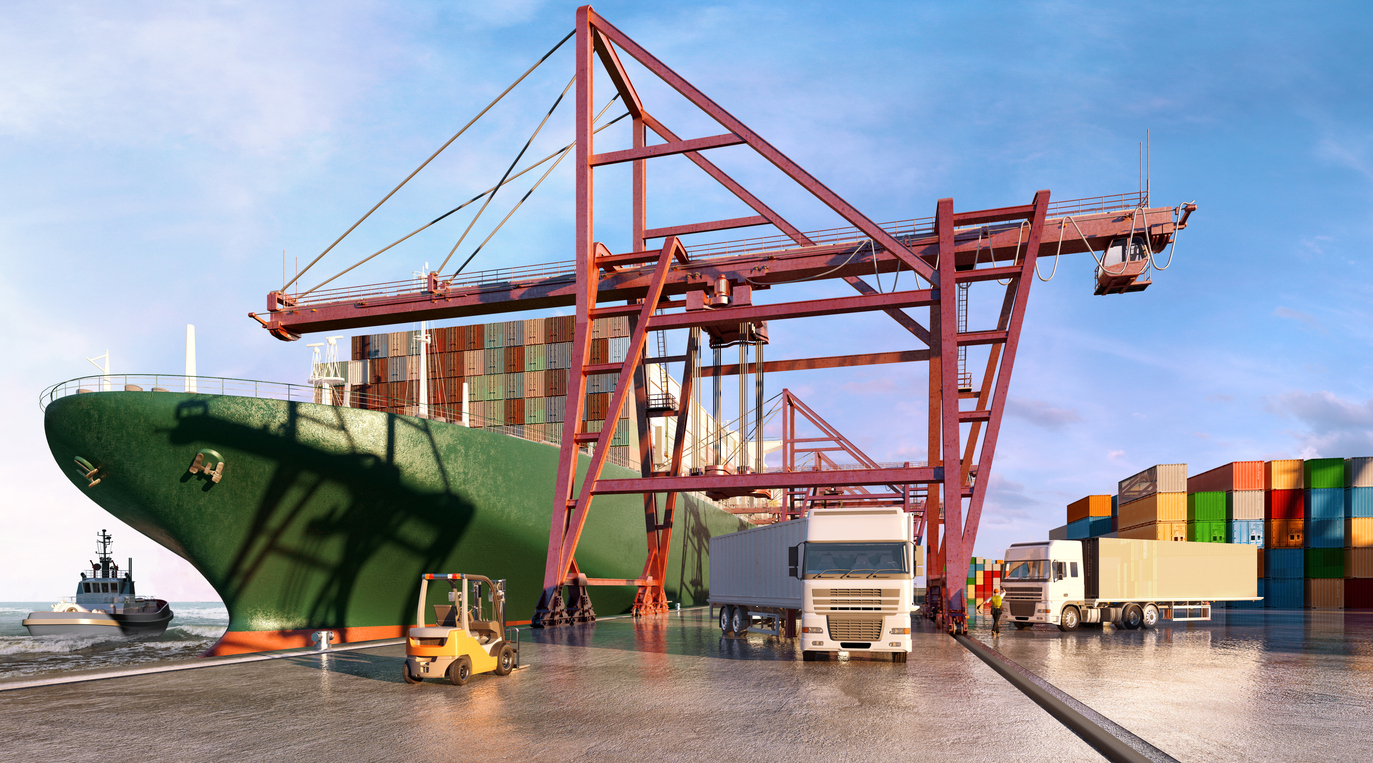
Shipping freight from China to UK remains a core part of global trade, particularly for businesses in wholesale distribution, retail, manufacturing, and FMCG. With China being one of the UK’s largest trading partners, efficient freight management is essential for maintaining competitive pricing, steady inventory flow, and healthy profit margins.
However, navigating international freight involves more than simply booking a shipment. Importers must consider shipping methods, customs clearance, duties, lead times, and supply chain risks. Understanding these factors can help businesses reduce costs and avoid unnecessary delays.
Wigmore Trading works with UK importers to streamline sourcing, freight coordination, and distribution, ensuring goods move efficiently from Chinese suppliers to UK warehouses.
Choosing the Right Freight Method from China to UK
The most common options for freight from China to UK are sea freight, air freight, and rail freight. The right choice depends on shipment size, urgency, and budget.
Sea freight is the most widely used method for bulk shipments. Full Container Load (FCL) and Less than Container Load (LCL) services allow importers to move goods at competitive rates. While transit times typically range from 25 to 40 days, sea freight offers the best cost efficiency for large volumes, particularly for wholesalers and retailers importing consumer goods.
Air freight is faster, with delivery often between 5 to 10 days. Although more expensive, it is suitable for high-value or time-sensitive goods such as electronics, fashion items, or urgent stock replenishment.
Rail freight has grown in popularity as a middle-ground solution. It offers faster transit than sea freight at a lower cost than air, though availability can vary depending on routes and geopolitical conditions.
Wigmore Trading can help assess your cargo profile and recommend the most suitable freight option based on your commercial objectives.
Key Costs in Freight from China to UK
Understanding the full cost structure is essential when importing from China. Beyond the basic freight rate, businesses must account for:
-
Customs duties and UK import VAT
-
Freight insurance
-
Port handling charges and documentation fees
-
Inland transportation within the UK
Hidden costs often arise from poor documentation or unclear Incoterms agreements with suppliers. For example, confusion between FOB (Free on Board) and CIF (Cost, Insurance, and Freight) can significantly impact the final landed cost.
By working with experienced partners like Wigmore Trading, importers can gain clarity on total landed cost before goods are shipped, improving pricing accuracy and protecting margins.
Customs Clearance and Compliance
Customs compliance is one of the most critical aspects of freight from China to UK. All shipments must meet UK customs requirements, including accurate commodity codes (HS codes), customs declarations, and payment of applicable duties and VAT.
Post-Brexit regulations have increased the need for precise documentation and compliance management. Incorrect paperwork can result in shipment delays, inspections, or additional storage charges at UK ports.
Practical solutions include:
-
Ensuring suppliers provide accurate commercial invoices and packing lists
-
Verifying HS codes before shipment
-
Working with a customs broker or freight partner familiar with UK import regulations
Wigmore Trading supports businesses by coordinating documentation and helping ensure compliance, reducing the risk of costly disruptions.
Managing Lead Times and Supply Chain Risk
Lead times from China to the UK can fluctuate due to port congestion, seasonal demand peaks, or global shipping disruptions. Businesses relying heavily on just-in-time inventory models may face stock shortages if freight schedules are not carefully managed.
To reduce risk, importers should:
-
Forecast demand well in advance
-
Build buffer stock into their supply chain
-
Diversify suppliers where possible
-
Monitor freight market trends and container availability
An experienced trading and logistics partner can provide valuable insight into market conditions and recommend proactive adjustments. Wigmore Trading works closely with suppliers and logistics networks to improve reliability and maintain consistent product flow into the UK market.
Freight from China to UK for Wholesale and FMCG Businesses
For wholesalers and FMCG distributors, efficient freight is directly linked to profitability. Even small increases in shipping costs can significantly affect margins when importing high-volume consumer goods.
By consolidating shipments, optimising container space, and selecting the most suitable freight method, businesses can lower per-unit costs. Coordination between sourcing, freight, and final distribution is key to maintaining competitive pricing.
Wigmore Trading can help integrate sourcing and freight management, ensuring goods arrive on time and are ready for onward distribution within the UK and across Africa where required.
Conclusion
Managing freight from China to UK requires strategic planning, cost awareness, and regulatory compliance. Choosing the right freight method, understanding total landed costs, and preparing accurate documentation are essential steps for successful importing.
For businesses seeking reliable freight coordination and sourcing support, Wigmore Trading can help.
Get in touch with our team to learn more about streamlining your supply chain and improving your import operations.






Comments are closed.